China Top 10 Fuel Pump Carbon Commutator Suppliers

Time:2026-10-28 Author:Ethan
0%

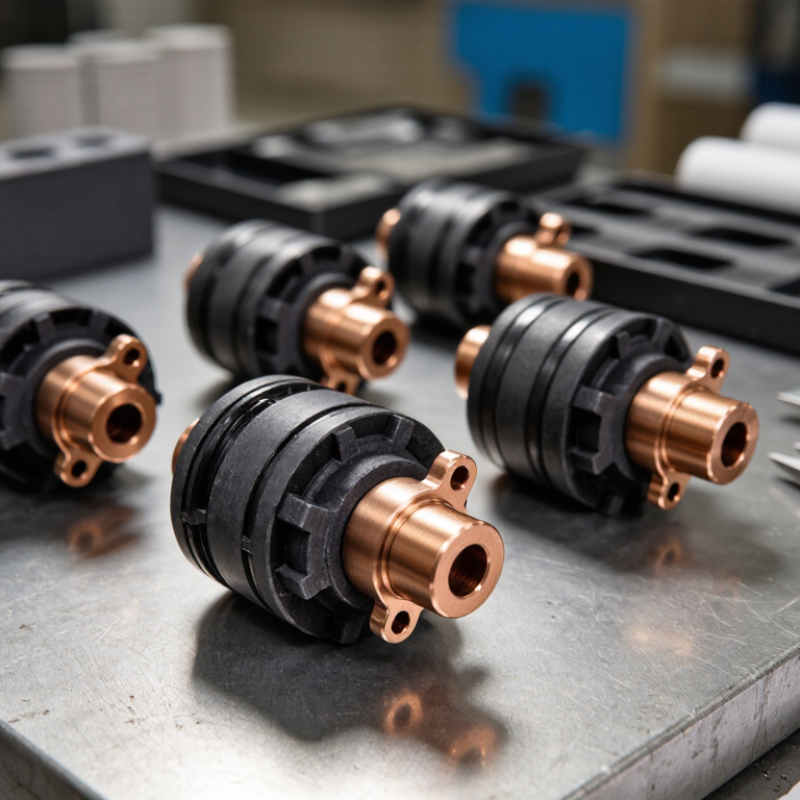
China is a major sourcing base for automotive electrical components, including the Fuel Pump Carbon Commutator. This guide introduces ten Chinese suppliers for buyers to compare, not as a fixed ranking or guarantee of performance. Supplier capabilities can change, and published claims deserve verification. Details matter.

A carbon commutator must fit its intended fuel-pump design and operating conditions. Buyers should review dimensions, carbon grade, copper segments, bonding quality, and wear characteristics. Ask for current drawings, inspection criteria, and sample parts. Check whether production controls cover material batches and key measurements. Small variations can affect contact, noise, or service life. Not on price alone.

The right supplier also communicates clearly about capacity, lead times, customization, and corrective action when a sample falls short. Request relevant quality records and discuss how testing reflects the actual application. A polished website can still leave gaps. That is worth remembering. This overview helps readers prepare practical questions and narrow a shortlist; it cannot replace engineering review, independent checks, or trials under suitable conditions. Specifications differ, and a low-cost sample is not proof of consistent production. Compare evidence carefully, then decide what fits the pump, schedule, and quality requirements.
China Top 10 Fuel Pump Carbon Commutator Suppliers

Understanding Carbon Commutators in Automotive Fuel Pumps

In an automotive fuel pump, the commutator helps transfer current to the rotating armature. The term “carbon commutator” can be imprecise. Many small pump motors use copper commutator segments with carbon brushes; some designs use carbon-based contact components. Checking the motor’s actual construction matters when comparing suppliers.

Small parts matter. Contact pressure, surface finish, and material consistency affect electrical resistance and wear. If pressure is too low, contact may become unstable; too much can accelerate wear. Fine carbon dust can also collect around the contact area. Heat and vibration add stress, while fuel may cool the motor in some in-tank designs. Conditions vary by pump, so test results should match the intended operating environment.

Supplier evaluation should include dimensional tolerances, material specifications, and repeatable inspection records. Ask how resistance, wear, and brush-to-commutator contact are assessed across production batches. A smooth-looking surface alone is not proof of reliable performance. There is a practical limitation: a bench test cannot fully reproduce years of starts, temperature changes, and vibration. That uncertainty deserves attention. A suitable component is one whose test evidence fits the pump’s electrical load, packaging, and service conditions.

Key Materials, Designs, and Manufacturing Processes

Fuel-pump commutators work in a compact space, where heat, vibration, and repeated switching can accelerate wear. Material choice sets the balance. Carbon-graphite grades can support stable contact and resist friction, while copper-rich blends improve electrical conductivity. The right mix depends on motor current, operating temperature, and brush pressure—not simply the lowest resistance value.

Manufacturing begins with controlled powder blending and forming. Depending on the formulation, parts may be cured or sintered, then machined to precise diameters and contact surfaces. Slot depth, concentricity, and surface finish matter: even a small runout can cause uneven brush wear. Reliable suppliers should document material batches and inspect dimensions, electrical resistance, and performance under representative heat and load. A specification sheet is useful, but it cannot replace testing in the intended pump design.

Tips: Ask whether “carbon commutator” means carbon-based segments or a copper commutator used with carbon brushes. Request sample parts and check fit, resistance, and wear after testing. Keep samples from each approved batch. Small details matter. One trade-off remains: a harder grade may last longer, yet perform poorly if the motor’s contact conditions differ from the test setup.

China Top 10 Fuel Pump Carbon Commutator Suppliers - Key Materials, Designs, and Manufacturing Processes Anonymous supplier capability profiles for technical sourcing comparison
Profile Commutator Design Key Materials Manufacturing Processes Quality Checks Fuel-Pump Application Fit Sourcing Considerations
Profile 01 Molded carbon-segment commutator with a cylindrical running surface Conductive carbon/graphite segments; thermosetting resin binder; molded insulating hub Powder blending, compression molding, controlled curing, turning, slot finishing Dimensional inspection, segment-to-segment insulation check, runout measurement, visual inspection Compact brushed DC fuel pumps where low electrical noise and wear control are priorities Confirm operating voltage, current, shaft interface, and the mating brush specification
Profile 02 Carbon commutator with a reinforced central hub Carbon/graphite conductive material; resin-bonded hub; optional glass-fiber reinforcement where design-approved Separate hub molding, segment forming, insert molding or bonding, curing, finish machining Hub concentricity, bond integrity, runout, and dimensional checks against the drawing Applications with elevated rotational or assembly loads, subject to motor design validation Request evidence that reinforcement and bonding materials are compatible with fuel exposure and temperature
Profile 03 Fine-pitch segmented carbon commutator Fine-particle graphite/carbon blend; electrically insulating resin between conductive segments Precision dosing, segmented molding, curing, fine turning, slot and edge finishing Segment pitch and width, electrical isolation, surface finish, and commutator runout Small-diameter motors requiring compact commutation geometry Review segment count and brush contact geometry together; verify limits through motor testing
Profile 04 Carbon commutator with a machined shaft bore or fitted hub interface Conductive carbon/graphite body; molded polymer or metal hub depending on the specified assembly Body molding and curing, bore machining, hub fitting, balancing and final inspection Bore size, fit, concentricity, retention, and dynamic balance where required Motor assemblies with defined shaft-fit and alignment requirements Specify shaft material, fit class, assembly method, and allowable runout on the component drawing
Profile 05 Resin-bonded carbon commutator optimized for consistent segment formation Carbon/graphite conductive compound; thermosetting binder; insulating resin system Compound preparation, controlled molding pressure, curing, machining, process inspection Material batch traceability, visual defect checks, dimensions, and electrical continuity/isolation tests High-volume production requiring repeatable molded component geometry Ask for control plans covering compound batches, curing conditions, and change management
Profile 06 Carbon commutator design with a copper-based interface option, where specified Conductive carbon/graphite segments; copper or copper-alloy interface components in compatible designs Carbon forming, interface preparation, insert assembly or joining, curing, finish machining Joint integrity, contact resistance where applicable, dimensions, and thermal-cycle validation Special motor configurations whose electrical and mechanical design calls for a conductive interface Confirm that the interface is part of the approved motor design; do not substitute materials without validation
Profile 07 Low-noise segmented commutator with controlled segment edges Carbon/graphite compound; insulating resin; optional edge treatment defined by the drawing Precision molding, curing, controlled slotting, edge finishing, cleaning Edge condition, slot geometry, surface finish, electrical isolation, and noise testing in the motor Fuel-pump motors with stringent acoustic or electromagnetic-noise targets Evaluate noise at the complete motor and pump level; component inspection alone cannot establish system noise
Profile 08 Wear-oriented carbon commutator paired with a compatible carbon brush grade Carbon/graphite formulations selected for the design; brush grade specified separately to match the commutator Compound mixing, molding, curing, machining, brush-commutator compatibility testing Wear assessment, contact behavior, temperature rise, electrical performance, and endurance testing Duty cycles where service life and stable contact are key validation targets Assess the commutator and brush as a tribological pair under representative load, speed, and fuel conditions
Profile 09 Application-specific commutator developed around customer drawings Specified conductive carbon/graphite compound, insulating system, and hub material Prototype tooling, sample molding, machining, design verification, controlled production release First-article dimensional report, material records, electrical checks, and agreed validation testing New pump platforms or designs with non-standard envelope and interface requirements Provide a complete drawing, operating conditions, annual volume estimate, and sample approval criteria
Profile 10 Production-focused carbon commutator with in-process inspection Production-grade carbon/graphite compound; resin binder; insulating hub or carrier as designed Automated or semi-automated molding, curing, machining, cleaning, batch packing In-process dimensional checks, sampling plans, lot identification, and final visual inspection Established fuel-pump designs requiring repeatable supply and documented production control Verify capacity, lot traceability, process-change notification, and quality-system scope during qualification

Note: These anonymous profiles describe common capability and design categories, not identified companies or a verified supplier ranking. Material choices, tolerances, and test limits vary by motor design; confirm all specifications against approved drawings and application testing.

How to Evaluate Fuel Pump Carbon Commutator Suppliers

China Top 10 Fuel Pump Carbon Commutator Suppliers

How to Evaluate Fuel Pump Carbon Commutator Suppliers

Evaluating suppliers starts with evidence, not a polished brochure. OICA reported 93.5 million motor vehicles produced worldwide in 2023. That figure shows the scale of automotive manufacturing, but it does not measure carbon commutator demand directly. Treat it as context, not proof of a supplier’s capacity.

Ask for commutator drawings, carbon-grade specifications, dimensional tolerances, and batch-to-batch resistance data. Then compare samples under your pump’s actual operating conditions. Check brush wear, electrical noise, temperature stability, and performance after exposure to the intended fuel. Small details matter. A neat surface can still conceal uneven wear. Request test methods, sample sizes, and raw results—not only pass/fail statements.

Review traceability and process controls, too. Can the supplier link a finished lot to its material batch and production records? Ask how it manages changes to carbon mix, tooling, or production sites. This check is easy to overlook; I would not skip it. A supplier may offer an attractive price, yet weak change control can complicate later validation. Use a written scorecard covering quality, engineering response time, delivery consistency, and corrective-action records. Then audit the claims against production samples. OICA’s 2023 production figures provide market context; supplier-specific testing must provide the decision evidence.

Profiles of China’s Top 10 Fuel Pump Carbon Commutator Suppliers

China’s fuel pump carbon commutator suppliers vary in scale, engineering depth, and production focus. These ten profiles describe useful supplier types rather than a verified ranking. Profiles one and two emphasize high-volume production, with automated assembly and routine dimensional checks. Profile three focuses on custom sizes for compact pump motors. Profile four offers flexible sampling for design trials. Small details matter.

Profiles five and six specialize in carbon material selection and brush-contact consistency. Profiles seven and eight concentrate on commutator geometry, segment bonding, and runout control. Profile nine suits buyers who need batch records and repeatable inspection data. Profile ten combines several capabilities but may require longer lead times for tailored orders. These are practical distinctions, not guarantees; each supplier’s actual process needs independent review.

When comparing suppliers, ask for drawings, material specifications, and sample inspection results. Check concentricity, segment spacing, electrical resistance, and performance after repeated operation. A polished catalogue is not enough. Request evidence from the production line, such as measurement records and traceability for a recent batch. Some suppliers may share limited data, and that is worth noting. A careful evaluation should match the commutator’s dimensions and operating conditions to the pump motor, not rely on broad claims alone.

Comparing Supplier Capabilities, Quality, and Service

Choosing among China’s fuel pump carbon commutator suppliers requires more than comparing quoted prices. A capable supplier should explain its material options, tooling limits, production capacity, and inspection process in clear terms. Ask how it controls brush-contact surfaces and segment dimensions, since small variations can affect assembly and motor performance. Details matter.

Quality claims are most useful when supported by records. Review sample measurements, batch traceability, and the supplier’s process for handling defects. A first article can look sound, yet repeated production may reveal uneven finishes or dimensional drift. Request samples from a normal production run where possible, not only hand-selected pieces. That takes time.

Service also deserves close comparison. Suppliers differ in how quickly they answer technical questions, share test data, and investigate a failed sample. Ask who owns corrective actions and how changes to materials or tooling are communicated. A lower price may come with slower feedback or less engineering support; a higher quote does not automatically guarantee better control. No checklist removes every risk, so buyers should record their own acceptance criteria and verify them against the parts received.

FAQS

What materials are used in fuel-pump commutators?

Carbon-graphite grades can support stable contact and resist friction. Copper-rich blends improve electrical conductivity. The right choice depends on current, heat, and brush pressure.

Does “carbon commutator” always mean the segments are carbon-based?

No. It may describe carbon-based segments or a copper commutator used with carbon brushes. Ask the supplier to clarify.

Which dimensions should buyers check on a sample?

Check slot depth, concentricity, diameter, and contact-surface finish. Even slight runout can cause uneven brush wear. Small details matter.

How are commutators typically manufactured?

Production may include powder blending, forming, curing or sintering, and precision machining. Processes vary by material formulation.

What quality records should a supplier provide?

Request material-batch records, sample measurements, resistance data, and inspection results. Ask how defects are tracked and resolved.

Is a first article enough to confirm production quality?

Not always. A hand-selected sample can look sound, while later parts show finish changes or dimensional drift. Request parts from a normal production run.

What should buyers test before approving a commutator?

Check fit and resistance, then assess wear under representative heat and load. Test it in the intended pump design; a specification sheet is not enough.

Does a harder material grade always last longer in service?

Not necessarily. It may wear less, but perform poorly with different contact conditions. The test setup may not match real use.

What should buyers compare beyond quoted price?

Compare tooling limits, production capacity, technical response, and corrective-action support. A higher quote proves little by itself. Record your acceptance criteria, then verify the received parts.

Conclusion

This article explores the role of the Fuel Pump Carbon Commutator in automotive fuel pumps and explains how its design and material properties can influence electrical contact, wear resistance, and consistent performance. It introduces common material choices, commutator configurations, and key manufacturing considerations, showing how careful production and inspection help meet the demands of fuel pump applications.

The article also outlines practical ways to assess suppliers in China, including their technical capabilities, production capacity, quality controls, customization options, and communication and delivery support. Profiles of ten suppliers provide a framework for comparing their strengths, while a final comparison helps readers consider quality, service, and overall suitability when selecting a supplier for their requirements.


Ethan

Ethan

Ethan is a seasoned marketing professional with a deep expertise in our company's innovative product line. With a passion for sharing knowledge and insights, he takes the lead in regularly updating our corporate blog, where he explores industry trends, product features, and effective marketing......