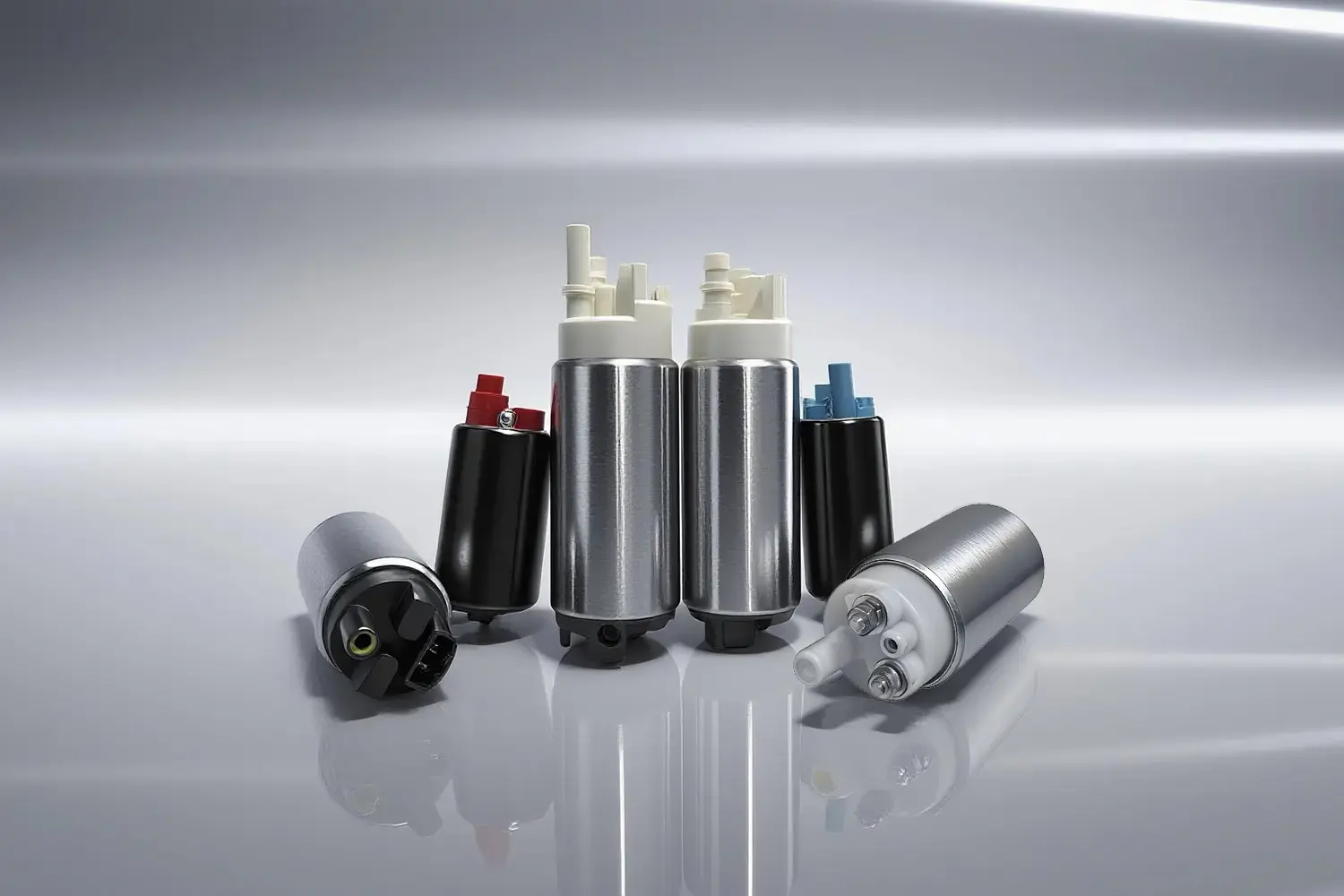
Explore our core engineering catalog engineered for dry-prime suction, high vacuum-lift capability, and alcohol-corrosion resilience.
A rigorous metallurgical and fluid dynamics analysis into suction-side net positive suction head (NPSH), negative pressure lift, and ethanol-resistant commutation.
In automotive and heavy machinery engineering, centrifugal and turbine electric fuel pumps are conventionally installed directly submerged inside the bottom reservoir of the fuel tank—acting primarily as "pusher pumps". Under submerged conditions, positive atmospheric pressure and the fluid column head force fuel into the inlet eye of the pump impeller, effectively mitigating dry-cavitation risks. However, contemporary vehicle architecture, auxiliary belly tanks, remote-mounted industrial generator setups, marine outboard configurations, and agricultural high-clearance tractors necessitate "Electric Fuel Pumps That Pull" (suction-feed or lift pumps).
An electric fuel pump engineered to "pull" operates under a regime of continuous negative atmospheric pressure (vacuum draw) on its suction intake. This configuration introduces two immense thermodynamic and mechanical hurdles: accelerated vapor lock and dry cavitation. When an inline or high-mounted pump pulls volatile fuel (such as winter-grade gasoline with elevated Reid Vapor Pressure or low-boiling alcohol blends), the localized depression inside the pumping chamber can easily drop below the fuel’s vapor pressure point. Standard copper-commutator pumps quickly fail due to excessive dry friction, brush chattering, micro-arcing across air gaps, and thermal softening of commutator bars.
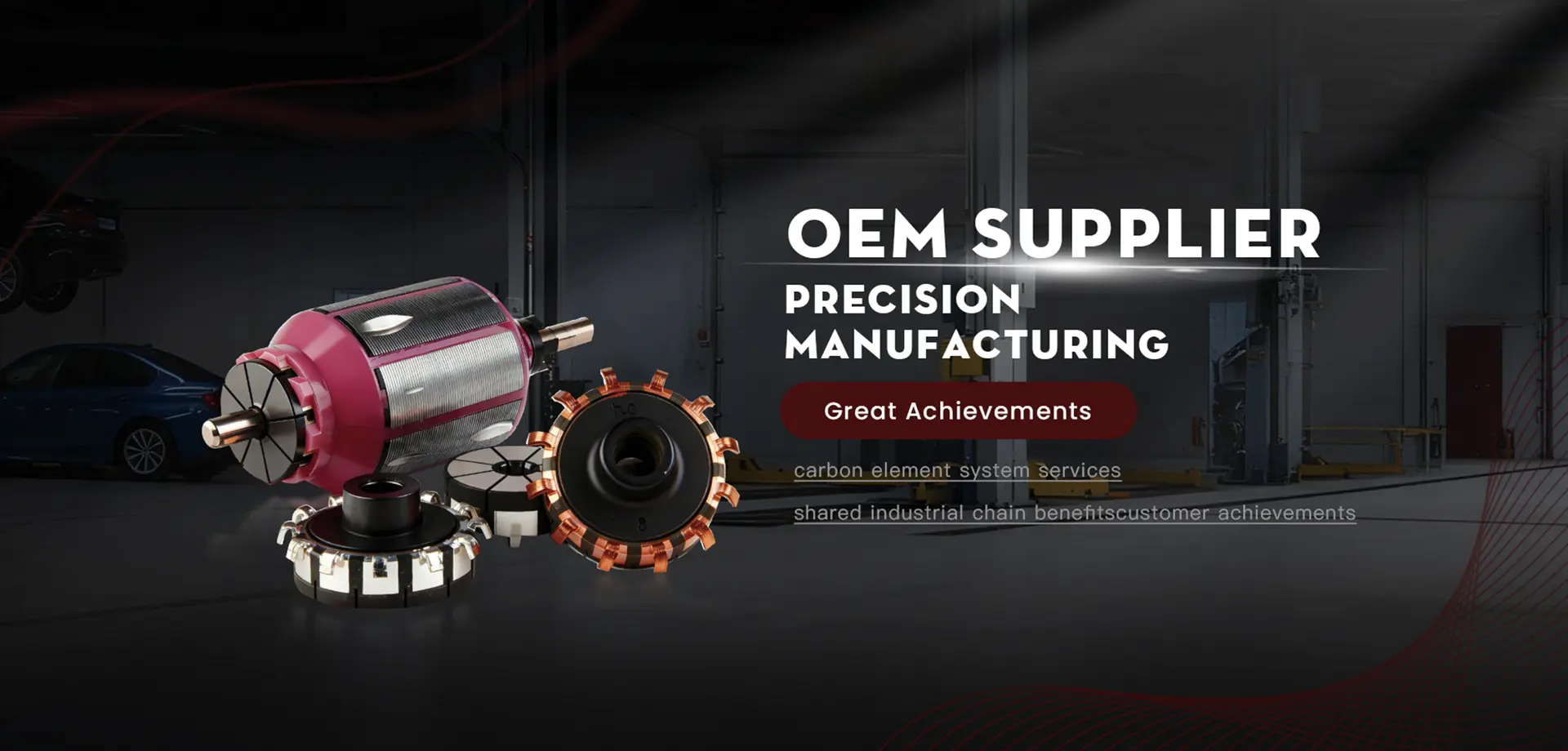
At Wenzhou Hualeao Automotive Parts Co., Ltd., our breakthrough lies in resolving the physical friction-pair vulnerabilities of pulling fuel pumps. The armature core of a suction fuel pump experiences erratic lubrication when drawing aerated fuel or vapor slugs during cold start priming. Conventional metallic copper commutators rely on the liquid fuel matrix to act as a dielectric coolant and boundary lubricant. In suction or dry-prime draw, copper surfaces scorch, develop oxide layers, and undergo destructive arcing with the current-carrying brushes.
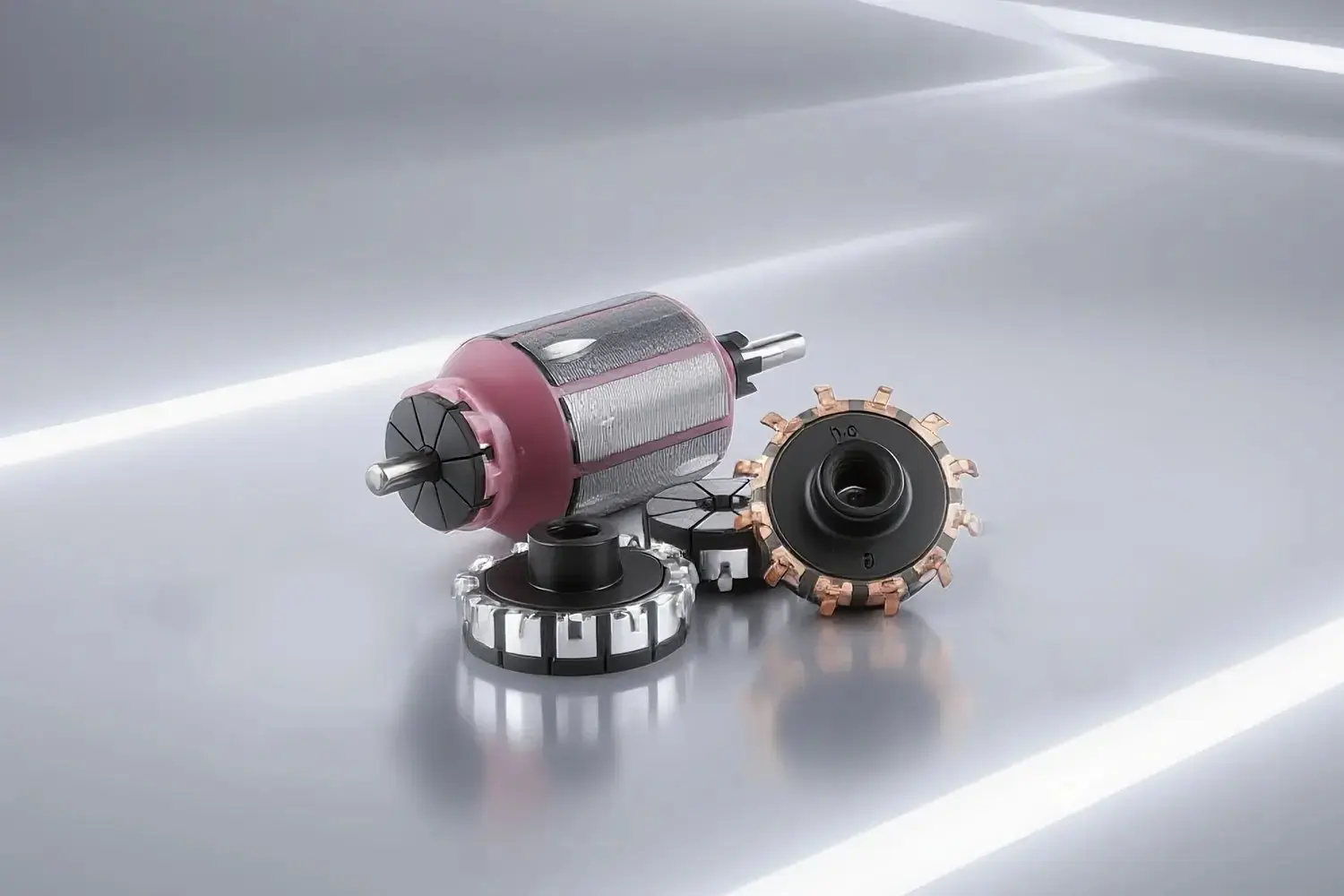
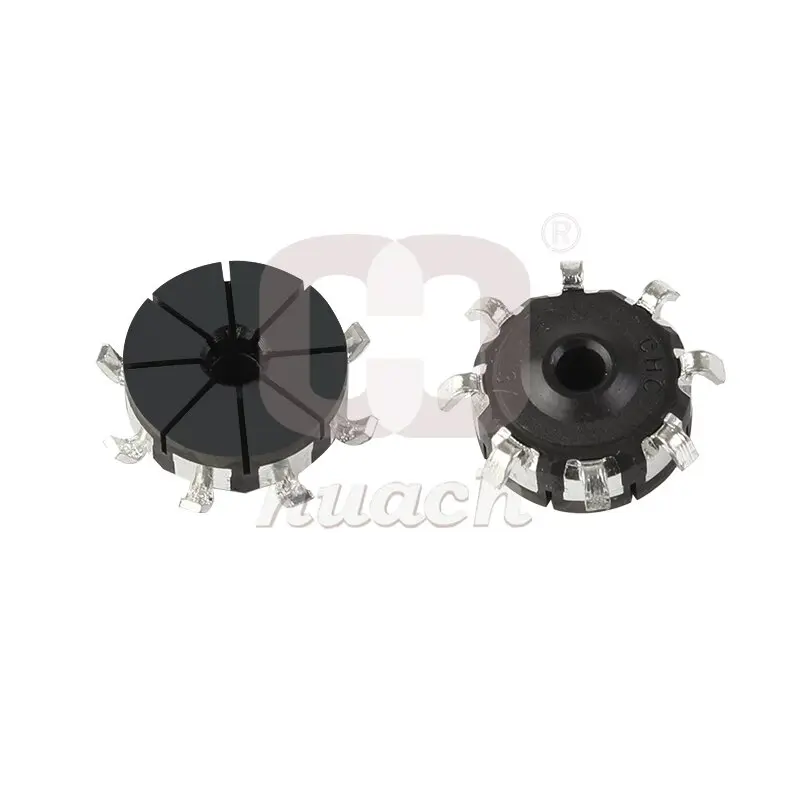
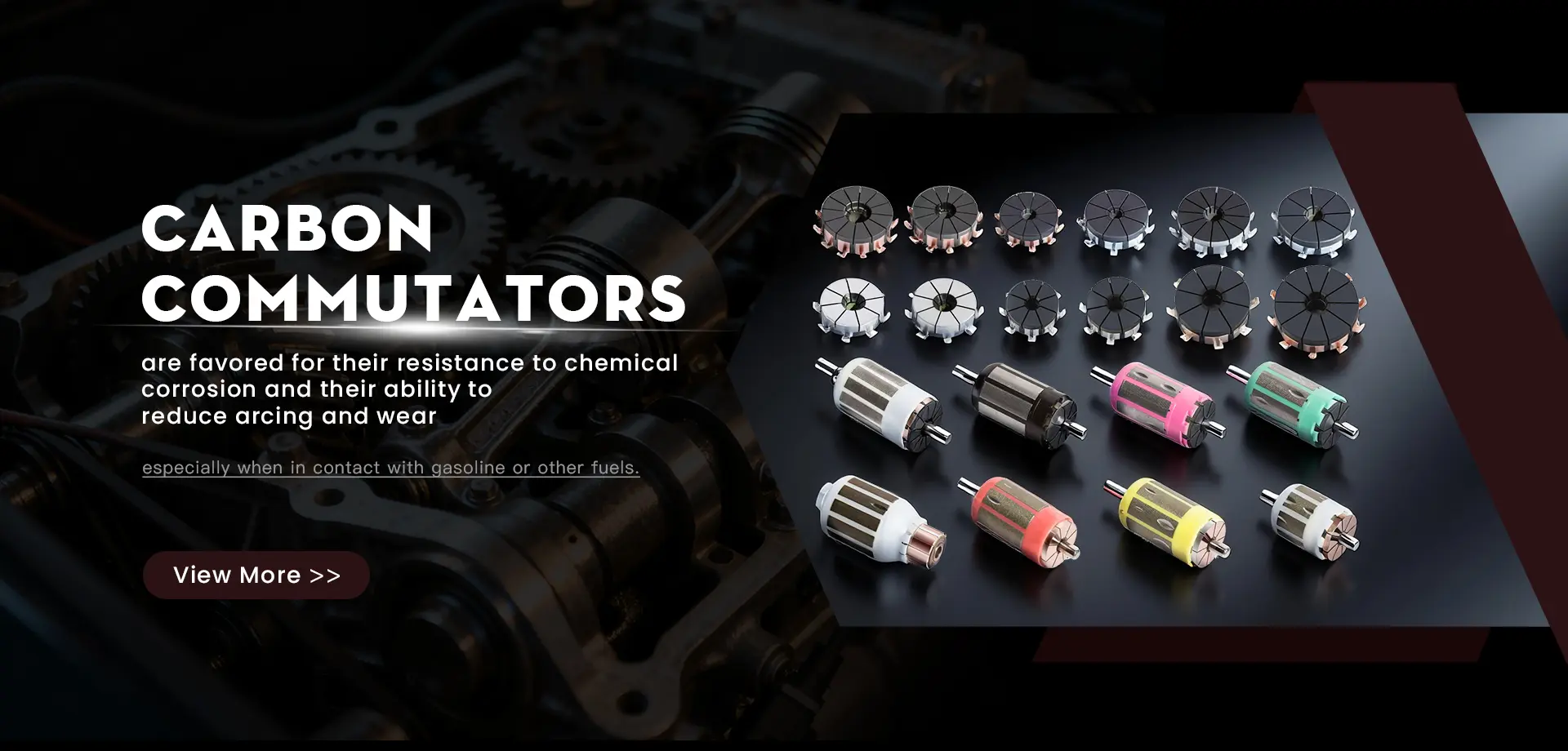
By developing proprietary high-density, resin-bonded, and metal-impregnated carbon (graphite) commutators, Hualeao has decoupled the motor's operational survival from direct liquid fuel lubrication:
The microcrystalline graphite structure transfers a microscopic dry film onto contact brushes during suction-draw cycles, preventing dry-friction scoring and thermal runaway under vapor-lock conditions.
Alcohol blends (E10, E85, M100) are hygroscopic and inherently corrosive, creating formic and acetic acids that rapidly dissolve copper commuter segments in pull-feed pumps.
Pulling fuel through vertical elevation creates erratic hydraulic shock loads. Our high-precision dynamic balancing suppresses rotor vibration, brush sparking, and seal blow-by.
| Performance / Durability Parameter | Hualeao Carbon Commutator Pull Pump | Standard Copper Commutator Pump | Engineering Benefit to Tier-1 / OEMs |
|---|---|---|---|
| Dry Suction Lift Height | Up to 2.2 Meters (12V High-Torque) | < 0.6 Meters (Prone to Burnout) | Enables flexible chassis/frame remote mounting |
| Dry-Run Thermal Tolerance | > 45 Minutes continuous dry running | Fails in < 3 minutes (Solder melts) | Withstands running out of fuel without motor failure |
| E85 / Bio-Methanol Resistance | Total chemical neutrality (Zero degradation) | Rapid acidic etching & segment lift | Universal flex-fuel and alternative-fuel compatibility |
| Brush Contact Resistance Stability | Stable over 250,000 km duty cycle | Fluctuates wildly with copper oxidation | Constant fuel pressure delivery, zero engine hesitation |
| Acoustic Vibration & Noise (NVH) | ≤ 42 dB(A) at 13.5V nominal flow | ≥ 58 dB(A) with audible brush chatter | Meets luxury passenger vehicle interior NVH thresholds |
How Chinese precision manufacturing powers global engine platforms across North America, the European Union, South America, and Southeast Asia.
Modernization of legacy carbureted engines, hot rods, dual-tank pickup trucks, and high-performance flex-fuel drag platforms requiring high-lift external puller pumps delivering consistent 65 PSI line pressures.
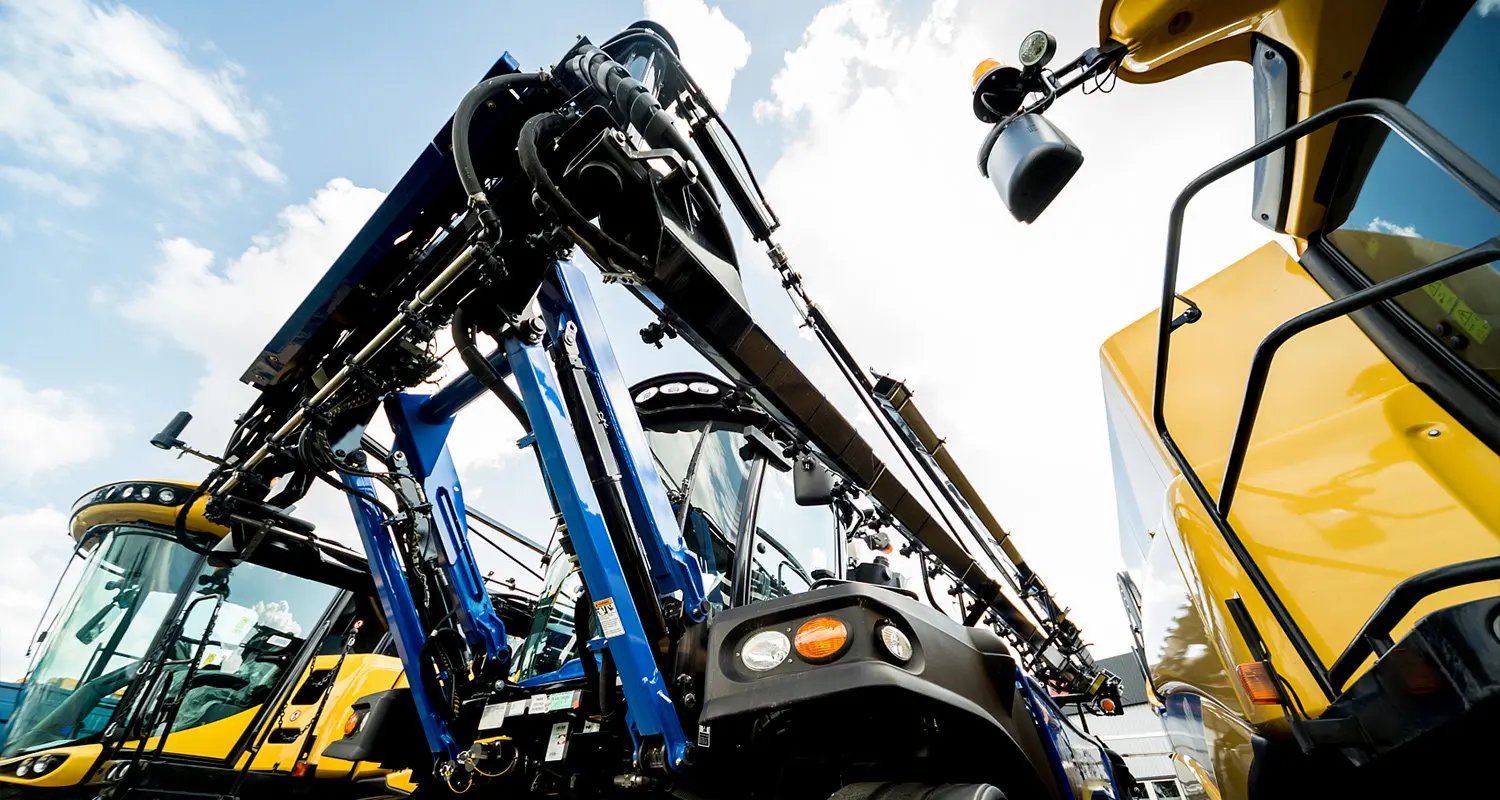
Precision fuel transfer in compact excavators, forestry equipment, and telehandlers. Diesel lift pumps that pull heavy fuel across complex routing paths while compliant with strict CE, REACH, and RoHS environmental mandates.
With Brazil's extensive E100 hydrous ethanol market, copper commutators suffer severe electro-erosion within months. Hualeao’s carbon commutator pull pumps are the recognized standard for long-life ethanol distribution.
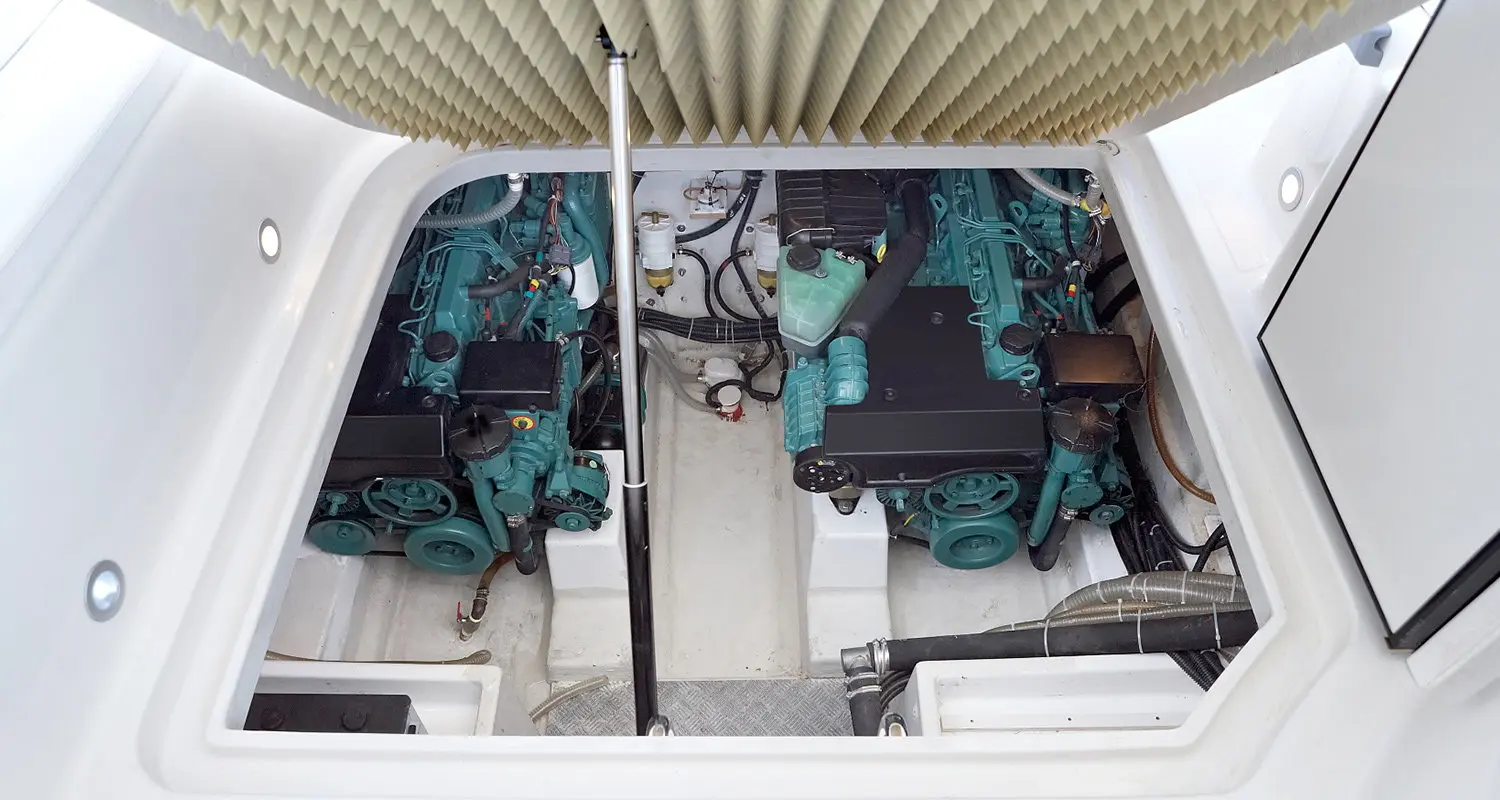
Coastal fishing skiffs, multi-hull workboats, and paddy rice irrigation generator sets require rugged self-priming pull pumps that withstand high salinity, extreme ambient humidity, and non-stop operational stress.
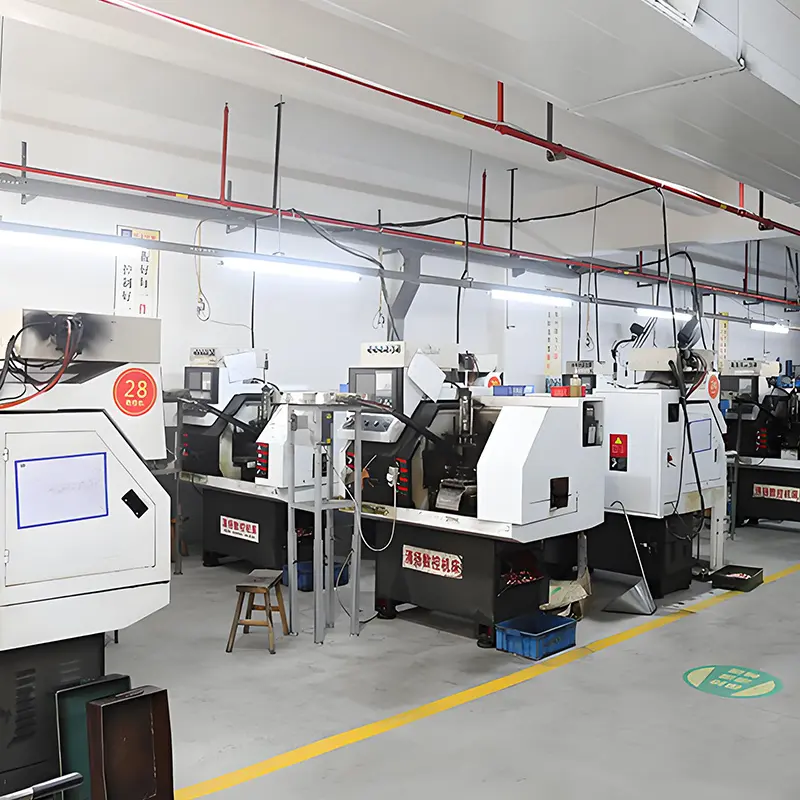
China’s automotive manufacturing ecosystem in Ruian, Wenzhou represents the epicentre of precision automotive electronic component manufacturing. Wenzhou Hualeao Automotive Parts Co., Ltd. harnesses this micro-regional advantage to deliver unmatched supply agility. While Western component manufacturers battle extended raw material lead times and elevated foundry overhead, our vertically integrated plant in Lianjiang Industrial Park controls every link of the production chain:
From synthetic graphite powder blending, isostatic pressing, segment sintering, copper base stamping, to multi-spindle diamond CNC turn-broaching, dynamic laser balancing, and full-spectrum automated electrical inspection. Our facility guarantees direct control over tolerances within ±0.002 mm, allowing Tier-1 suppliers to de-risk their international procurement while achieving up to 35% cost optimization over legacy Japanese or European tier offerings.
Real-world integration scenarios where standard pusher pumps cannot function and only high-vacuum suction-pull pumps prevail.
Long-range commercial transport vans and overland utility vehicles utilize auxiliary saddle tanks. Our electric pull pump acts as an automated scavenging unit, lifting fuel over chassis crossmembers into the primary EFI reservoir.
Earthmoving machines operate on extreme grades (> 35° inclinometer slope) where fuel sloshes away from in-tank pickups. Hualeao external pull pumps maintain uninterrupted negative head suction, preventing catastrophic engine stalls.
Marine fuel tanks are positioned deep within bilges beneath waterlines. Our ignition-protected, anti-siphon electric pull pumps draw fuel vertically without creating explosive electrical sparks, ensuring safety in damp salt environments.
Critical hospital and data-center standby gensets depend on day-tank fuel lifting from subterranean diesel reservoirs. Hualeao’s self-priming pull pumps ensure instant dry prime without manual hand-pumping or air bleeding.
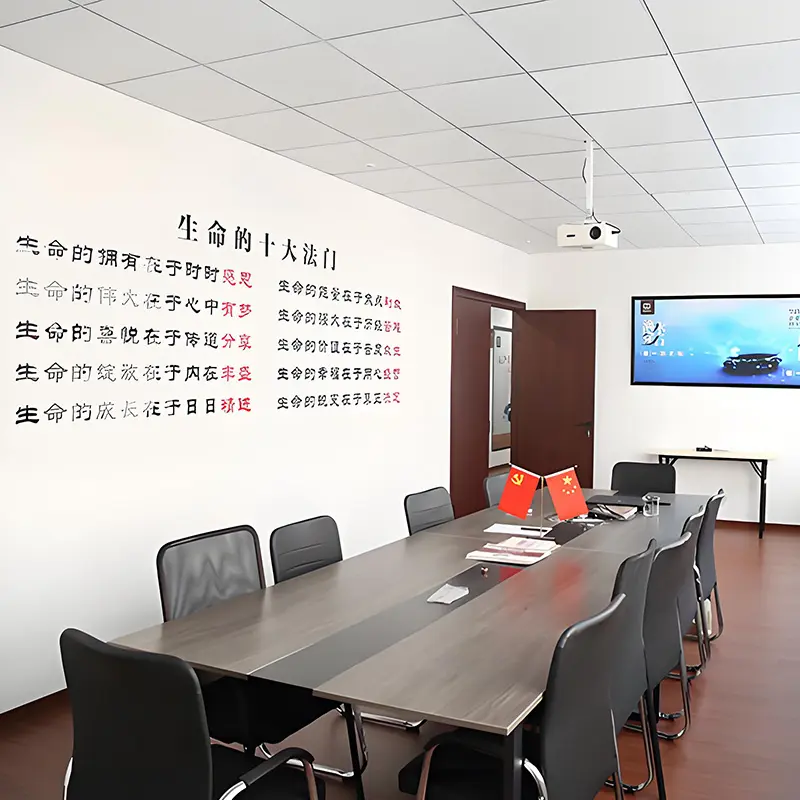
Wenzhou Hualeao Automotive Parts Co., Ltd. operates in full conformance with the highest international automotive standards. Every electric fuel pump that pulls and every carbon commutator segment is processed under strict IATF 16949 quality frameworks.
Strategic technological initiatives pioneering next-generation electronic fuel delivery from 2025 through 2030.
Incorporating nano-graphene platelets into synthetic resin matrices to boost electrical conductivity by 40% while reducing thermal generation during maximum vacuum pull draw.
Engineering specialized dry-feed fuel transfer pumps for zero-carbon synthetic e-fuels, bio-diesel, and liquid hydrogen carrier vectors where fuel lubricity drops to near zero.
Developing brushless smart pull pumps integrated with micro-pressure transducers and PWM CAN-bus speed governors that adjust vacuum suction dynamically to combat vapor formation.
Comprehensive technical and commercial clarifications for procurement directors, fuel system architects, and global distributors.
Standard in-tank electric fuel pumps are "pushers" located at the lowest gravity-fed point of the tank, where head pressure pushes liquid into the rotor eye. An electric fuel pump that "pulls" (also known as a lift pump, external vacuum pump, or suction transfer pump) is installed above or remotely outside the fuel tank. It must create a deep negative atmospheric differential pressure to draw or lift fuel vertically. Pulling pumps face severe vapor lock and dry-friction wear risks, demanding specialized internal self-priming valves, anti-cavitation impellers, and self-lubricating carbon commutators.
The commutator transfers current between the stationary electrical brushes and the rotating armature windings of the electric fuel pump motor, cyclically reversing current direction in the coils so the motor rotor generates unidirectional continuous torque. The commutator's physical surface smoothness, hardness, contact resistance, and concentricity directly govern pump volumetric efficiency, electrical noise, heat dissipation, and overall service life.
Fuel pump motors operate immersed in or conveying liquid hydrocarbons and biofuels. In ethanol- and methanol-blended fuels (such as E10, E85, or M100), copper commutator bars are rapidly attacked by chemical corrosion and electrochemical pitting. This accelerates brush wear, forms conductive copper sludge, and causes sudden pump seizure. Carbon (graphite) commutators are impervious to alcohol-acid corrosion, possess self-lubricating dry-running capabilities during suction-draw voids, and provide far longer lifecycle reliability.
Our pulling electric fuel pumps feature high-precision positive displacement roller-vane or advanced regenerative turbine pump stages that maintain minimal internal clearances (< 0.015mm). Combined with integrated one-way check valves and viton diaphragm seals, our pumps sustain up to 45-65 kPa of vacuum suction, allowing rapid dry-priming up to 2.2 meters elevation without overheating or motor stalling.
Yes. Our internal engineering department provides custom tooling, CAD/3D prototype modeling, and tailored tooling for unique motor armature diameters, segment quantities (6, 8, 10, or 12 segment designs), and mounting shafts. Send your technical CAD drawing (STEP, DWG, DXF), physical sample, or OE cross-reference number to [email protected] for a full DFM evaluation within 24 hours.
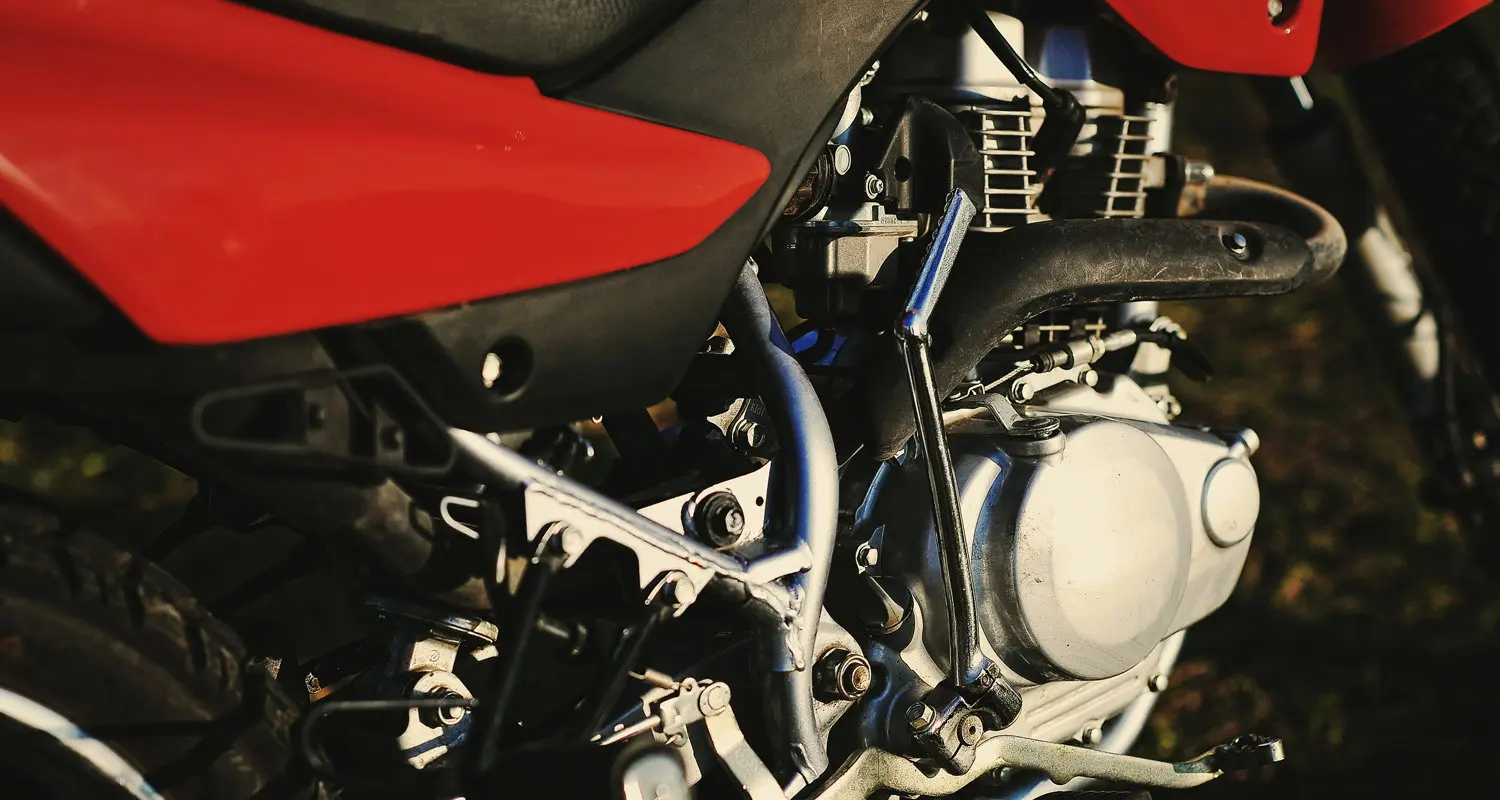
Our components are widely deployed across passenger automotive EFI engines, flex-fuel vehicles, commercial fleet delivery vans, motorcycles and powersports (ATVs, snowmobiles), engineering machinery (excavators, loaders, cranes), marine outboard and inboard propulsion systems, agricultural machinery, and heavy industrial emergency power generation systems.
For standard catalog carbon commutators and common electric fuel pump models, our MOQ starts at 500 to 1,000 units with off-the-shelf sample batches available immediately. Customized OEM production runs typically require 20 to 35 business days from final pilot run sign-off. We provide full container loading (FCL) and consolidated air/sea shipments from Ningbo and Shanghai ports.
You can utilize our online Request a Catalog portal or send your RFQ, bill of materials, or target part numbers directly via email to [email protected] or WhatsApp +86 15067763878. Our technical engineering and export teams provide comprehensive model lists, dimensional blueprints, cross-reference matrices, and pricing quotations within one business day.
Direct factory sourcing for high-suction fuel delivery modules, alcohol-proof commutators, and engine management sensors.
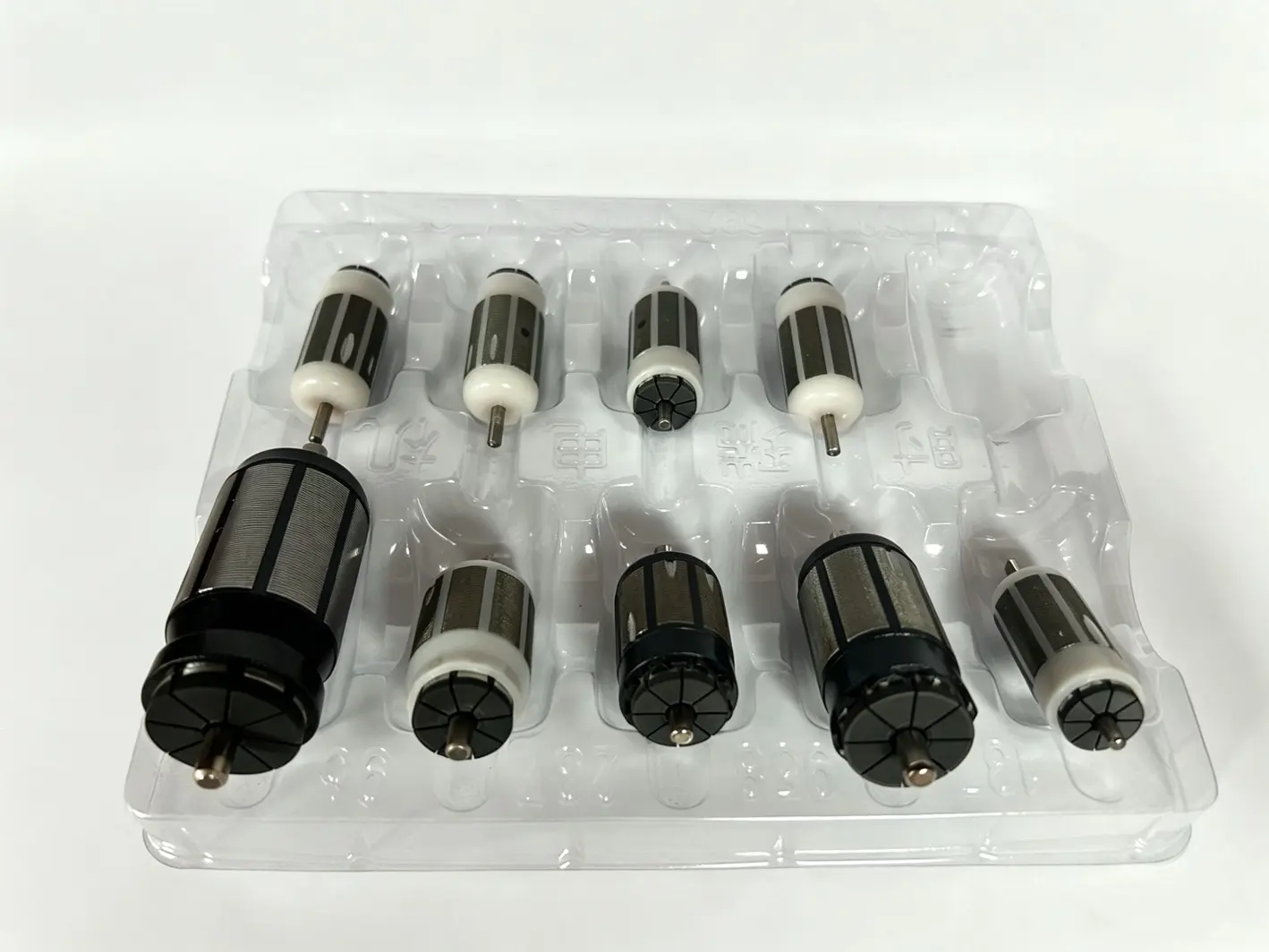
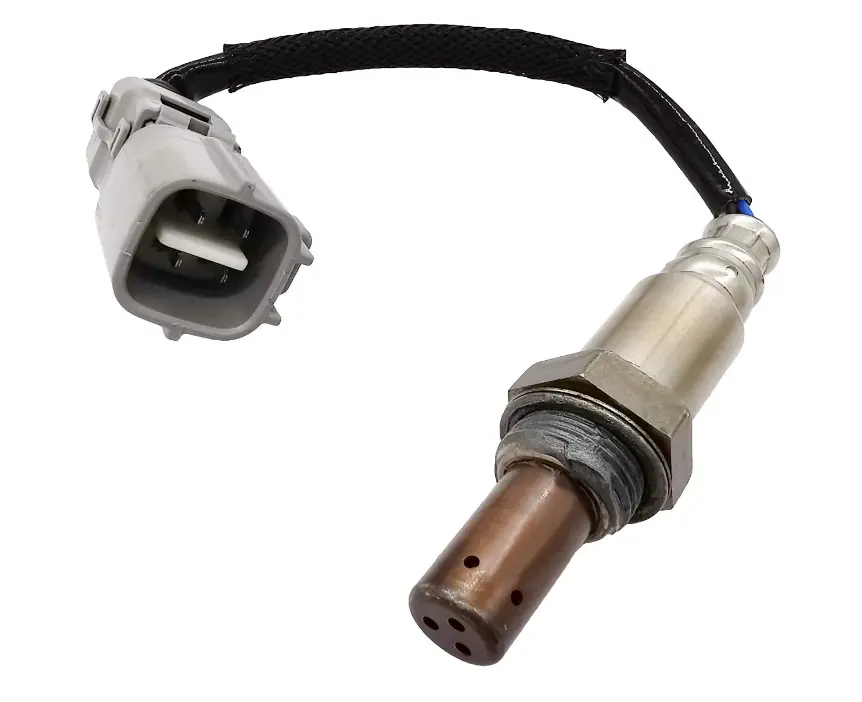
Whether you require high-vacuum suction electric fuel pumps that pull, alcohol-resistant graphite commutators, precision balanced armatures, or automotive oxygen sensors, Hualeao supplies OEM-grade reliability at direct Chinese factory cost efficiency.