Global Industrial Reality & Fluid Dynamics of Low-PSI Delivery
Why precision low-pressure metering remains vital across global commercial vehicles, stationary generators, and marine power plants despite high-pressure EFI dominance.
1. The Global Landscape: Why Low-PSI Architecture Remains Indispensable
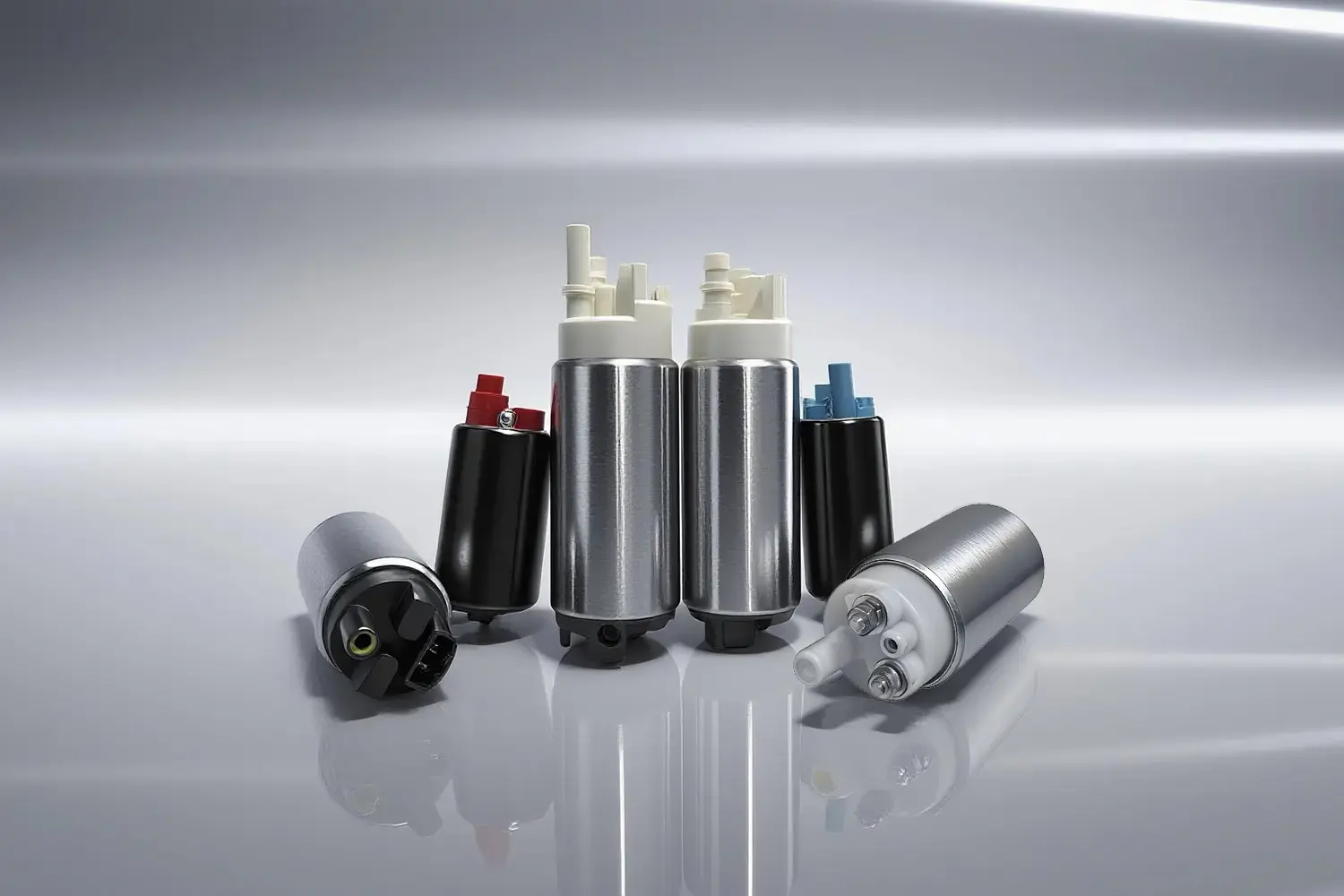
While modern light passenger vehicles have universally transitioned to high-pressure Common Rail Diesel Injection (CRDI) and Gasoline Direct Injection (GDI) exceeding 150 to 350 bar, the demand for Low PSI Electric Fuel Pumps (operating strictly between 2.5 and 9.0 PSI / 0.17 to 0.62 bar) is experiencing an unprecedented resurgence across global secondary and industrial verticals. High-pressure injection systems lack mechanical suction capability; their fragile high-pressure mechanical pumps undergo rapid cavitation and catastrophic seizure when subjected to dry startup, aeration, or fuel-line resistance. Consequently, precision low-pressure auxiliary lift pumps have become critical components to supply positive hydrostatic head to main engine circuits.
Simultaneously, the global small-engine agricultural sector, stationary emergency backup generators, construction machines, and classic commercial fleet restorations depend entirely on carbureted fuel circuits. Supplying higher pressure than 6–7 PSI to a standard float carburetor breaches the needle-and-seat valve threshold, causing float bowl flooding, severe fuel contamination, crankcase dilution, and fire hazards. The challenge facing procurement managers globally is sourcing factories capable of maintaining exact mechanical tolerances (±0.5 PSI tolerance across extreme temperature shifts) without mechanical pressure degradation over a 5,000-hour continuous service life.
System Parameter
Conventional High-Pressure EFI
Standard Aftermarket Micro Pump
Hualeao Low-PSI Solid-State Commutated
Operating Range
40.0 – 85.0+ PSI (2.7 – 5.8 bar)
3.0 – 12.0 PSI (Loose Regulation)
2.5 – 4.5 PSI / 5.0 – 9.0 PSI Regulated
Internal Commutation
Standard Copper Segment
Electrolytic Copper / Soft Carbon
Isostatic High-Density Carbon-Graphite
Corrosion in E10-E85 Blends
Moderate Risk (Delamination)
Severe (Electrolytic Erosion)
Zero Degradation (Chemical Inertness)
Priming & Vapor Lock
Requires Submersion in Fuel
Vulnerable to High Ambient Heat
Self-Priming up to 12" Dry / Anti-Vapor Chamber
MTBF Target Lifespan
3,000 Operating Hours
1,200 – 1,800 Hours
> 5,500 Continuous Operating Hours
2. The Ruian Manufacturing Advantage: Supply Chain Cohesion & Precision
Our manufacturing hub in Ruian, Wenzhou (Zhejiang Province) represents the absolute epicenter of automotive electronic and fuel delivery hardware manufacturing in Asia. Unlike fragmented Western or localized regional assembly lines that outsource raw subcomponents across broad geographies, Hualeao's 6,200 m² Ruian production cluster unites every tier of production under tight closed-loop tolerances. From precision raw isostatic graphite formulation and stamping of high-conductivity armature coils to automated robotic winding and final dynamic balancing, our component integration achieves unmatched structural coherence.
This localized industrial concentration generates significant procurement advantages for international Tier-1 and Tier-2 buyers: batch lead times reduced by 40%, immediate design-to-tooling turnaround within 14 working days for proprietary drawings, and strict material tracing verified through automated spectrometer analysis. Because our carbon commutator disc formulations are engineered and sintered directly in-house, we eliminate the 30–50% OEM markups associated with intermediate traders, providing our partners with direct tier-one pricing alongside TS16949-grade reliability.
High-throughput automated production, zero-defect quality validation, and global delivery readiness from our Wenzhou manufacturing complex.
6,200m²
Modern Production & Testing Facility
50+
Specialized Engineers & Technicians
10+
Quality Accreditations & National Patents
3,000+
Active Global Distributors & OEMs
National 11th Five-Year Inclusion
Our proprietary carbon-graphite commutator formulation was designated as an authorized Energy-Saving Project under China's 11th Five-Year Plan for advanced fuel economy and tailpipe emission reduction.
Total Material Stability
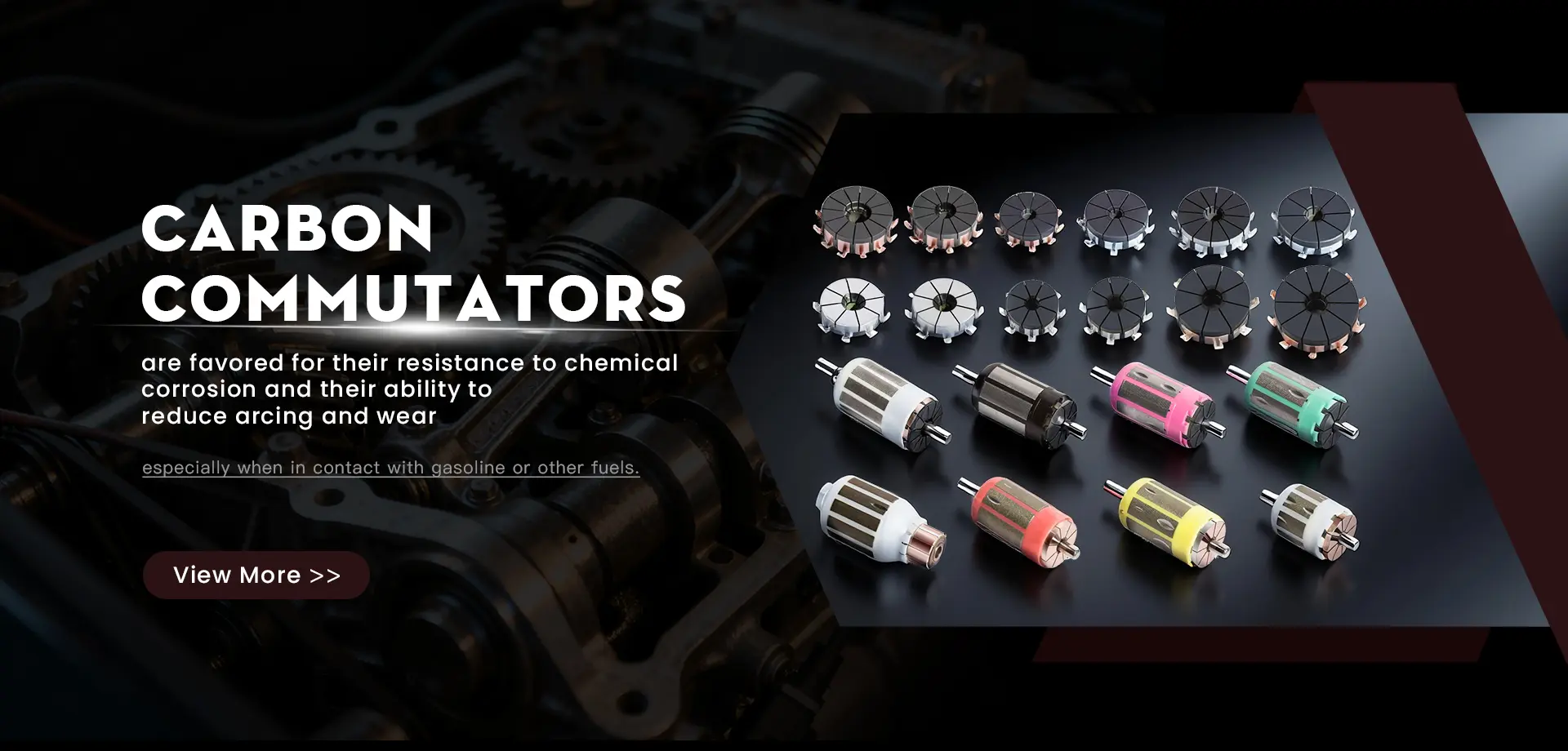
Engineered specifically to survive high concentrations of ethanol (E10 up to E85) and methanol fuel blends that degrade standard copper segments through rapid electrochemical oxidation.
Dynamic-Balance Testing
Every single electric motor armature passes through high-speed dynamic-balance testing to eliminate vibration, reduce acoustic resonance below 48 dB, and prevent bushing wear.
Drawing & OE Customization
Full engineering support to fabricate custom outer housing dimensions, internal relief spring rates, electrical pigtails, and fitting connections to match target OE reference specifications.
Diverse Industrial Verticals
Engineered Deployment: Where Low-PSI Precision Matters
Reliable fluid conveyance across high-vibration off-road environments, sensitive carburetor bowls, and corrosive marine applications.
Carbureted Automotive & Retrofit
Replaces failing mechanical engine-driven diaphragm pumps. Delivers a steady 3.0 to 4.5 PSI to Weber, Holley, or Edelbrock carburetors, avoiding vapor lock during stop-and-go driving and hot engine restarts.
Sub-miniature pump bodies configured for high lean-angle stability and harsh harmonic vibration. Delivers uncompromised pulse damping for touring, adventure, and enduro motorcycles worldwide.
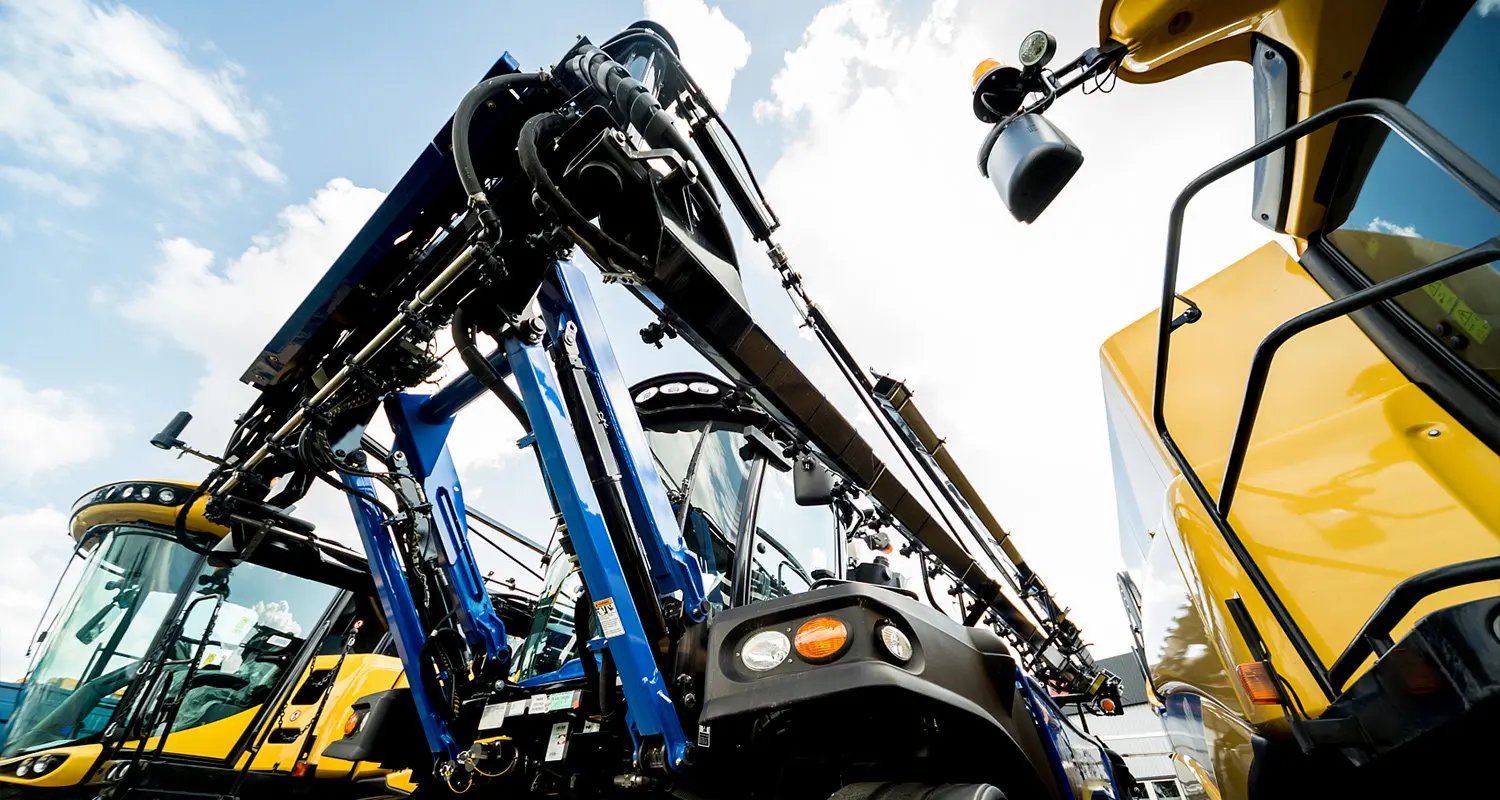
Serves as positive feed lift pumps for heavy equipment like excavators, mining trucks, and farm harvesters. Eliminates air entrapment in primary fuel circuits before reaching high-pressure injection pumps.
Built with sealed housings and corrosion-resistant alloys to prevent salt-fog ingress and spark ignition hazard. Meets strict USCG/CE standards for inboard and outboard marine fuel circuits.
From graphite raw material inspection to automated pressure-decay and dry-priming leak tests, our closed-loop architecture prevents failures before they reach assembly lines.
Stage 01
Spectrometric Material Verification
Incoming isostatic graphite blocks and oxygen-free copper rods undergo spectrometer testing to ensure purity and prevent premature wear under exposure to alcohol-blended fuels.
Stage 02
Precision Tooling & Armature Winding
CNC diamond lathes machine the commutator contact segments down to micron tolerances. Automated winding machines apply tension-controlled enameled copper wire.
Stage 03
Dynamic Balancing & Potting
Armatures are dynamically balanced to eliminate high-RPM vibrations. Electrical terminals and brush assemblies are sealed with specialized resins to block fuel vapor ingress.
Stage 04
100% Flow & Pressure Validation
Every pump undergoes automated test-bench runs to verify dry self-priming lift, dead-head shut-off pressure, amp draw, and continuous flow consistency before dispatch.
Future Analysis
Emerging Trends & Global Procurement Shifts
Key factors driving fuel systems sourcing, including sustainable biofuels, electronic solid-state replacements, and supply chain diversification.
Biofuel & Alcohol Fuel Adaptation
With worldwide mandates shifting toward ethanol (E10, E20, up to E85) and biodiesel blends, legacy copper-commutated fuel pumps are seeing accelerated field failures. Global sourcing managers are systematically migrating standard part numbers to carbon-graphite commutators to guarantee warranty claims stay under 0.15%.
Solid-State Electronic Re-engineering
Older diaphragm pumps suffer from stiffening diaphragms, internal valve sticking, and high return rates. Modern buyers prioritize micro-controlled solid-state pulse pumps that dynamically modulate stroke frequency based on backpressure, delivering zero-wear operation without internal rubber bladders.
Supply Consolidation & Quality Traceability
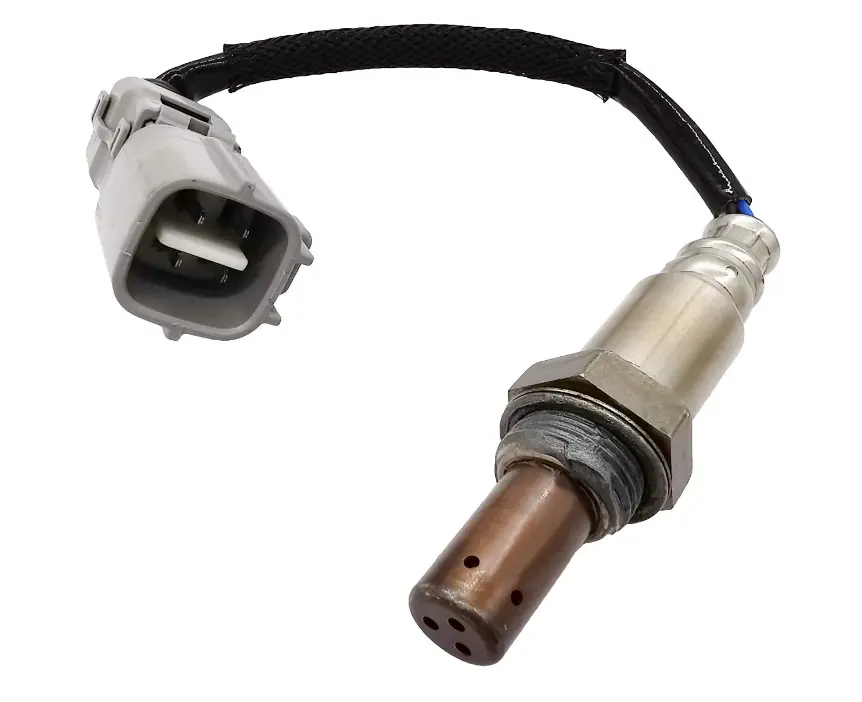
Global distribution networks are consolidating purchasing directly with vertically integrated Chinese manufacturers capable of supplying commutators, full pump assemblies, and downstream lambda sensors from a single verified origin, cutting inventory transit lead times.
Technical & Commercial FAQ
Answers for Engineering & Procurement Teams
Key technical specifications, tolerances, MOQ terms, and customization details for our low-pressure electric fuel pumps and carbon-graphite motor commutators.
What does a carbon commutator do in an electric fuel pump?
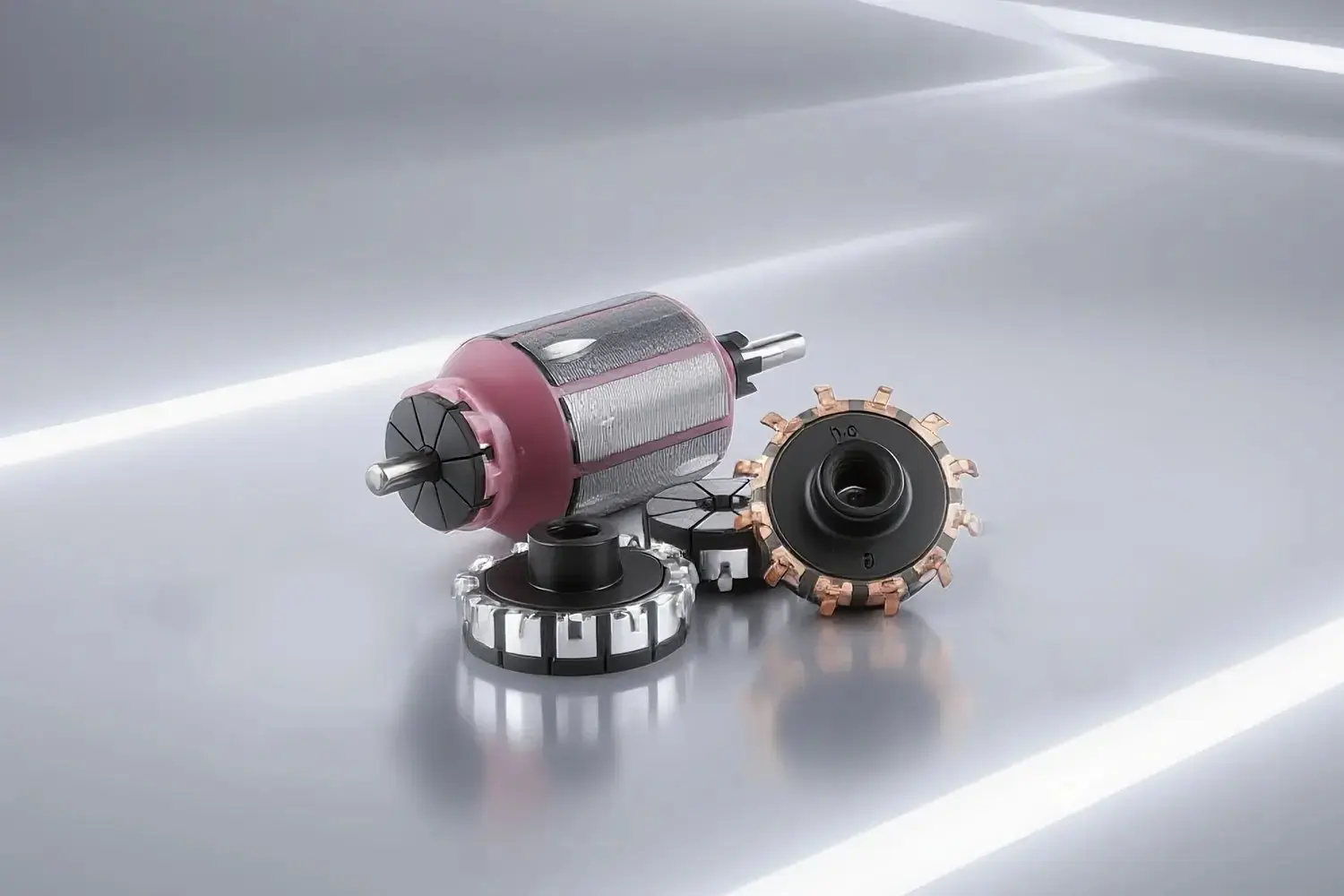
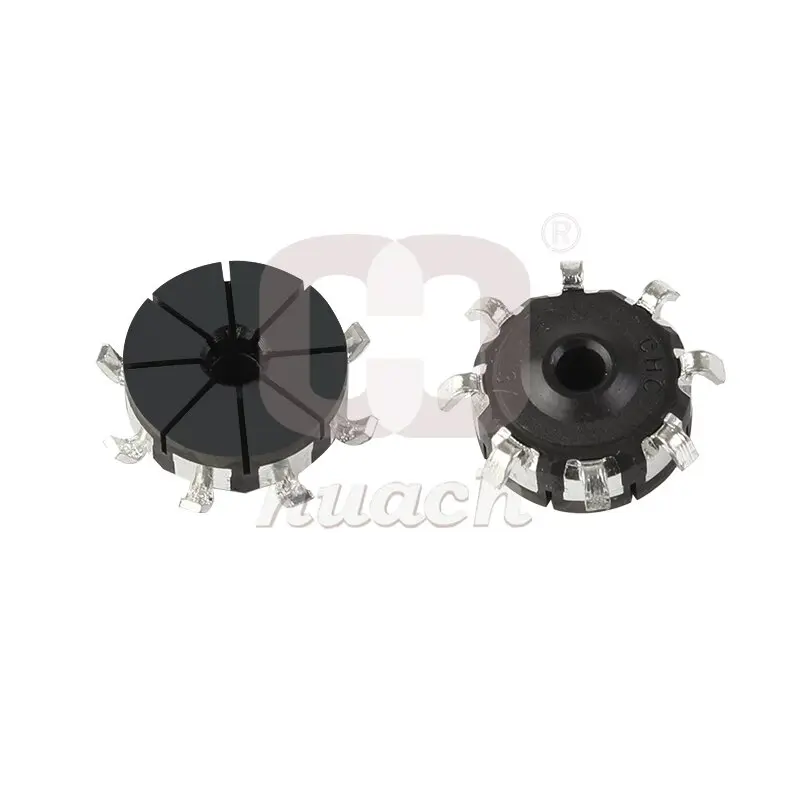
The commutator transfers current between the brushes and the rotating armature of the pump motor and reverses current direction in the windings, so the motor keeps turning in one direction and delivers steady fuel flow. Its material, contact quality and dimensional accuracy directly affect pump stability and service life.
Why choose a carbon (graphite) commutator instead of a copper commutator?
Fuel pump motors run submerged in fuel. In ethanol- and methanol-blended fuels, copper commutator segments are prone to corrosion and accelerated wear. Carbon (graphite) commutators are engineered to resist ethanol, methanol and corrosion, which helps the pump keep stable performance over a longer service life.
Can Hualeao produce commutators to my drawings or samples?
Yes. We provide customized design solutions and dedicated technical support. Send your drawing, physical sample or OE reference number and our engineers will confirm dimensions, structure and material for your armature and fuel environment.
Which industries use Hualeao fuel pump components?
Our components are used in automotive engine fuel systems, motorcycle engine fuel systems, engineering vehicle and construction machinery fuel systems, and marine engine fuel systems, for both OEM production and aftermarket repair and replacement.
How can I get a product catalog or technical data?
Use the Request a Catalog page or email [email protected] with your target part numbers. Our team shares model lists, dimensions and cross-reference information by email.
What is the specific shut-off pressure calibration for carbureted installations?
For standard carbureted gasoline applications, our Low PSI pumps are factory pre-calibrated to a shut-off pressure of 2.5 to 4.5 PSI (0.17 to 0.31 bar). This precisely matched head pressure prevents overrunning the delicate needle and seat assembly inside standard float bowls, eliminating the necessity for costly secondary external fuel pressure regulators.
What are your standard OEM/ODM sample evaluation lead times and bulk MOQs?
Standard catalog sample units are dispatched within 48 to 72 hours for benchmarking. For customized carbon commutator profiles or specialized bracket mountings derived from your 2D/3D CAD drawings, sample validation tooling takes approximately 12–15 business days. Our standard minimum order quantity (MOQ) for production runs starts at 500 units per SKU, with flexible container consolidation terms.
Complete Assembly Portfolio
Verified Assemblies, Rotors & Engine Components
Explore our full line of micro-pressure lift pumps, precision-sintered graphite commutators, and sensor systems built for long-term operational durability.
Auxiliary Core
Precision Low-Pressure Armature Assembly
Dynamically balanced rotor core designed specifically for 12V and 24V DC miniature low-pressure pump housings.
Our Ruian engineering team provides dimension verification, cross-reference matches, and custom tooling quotes within 24 business hours. Connect directly with factory specialists for your low-PSI requirements.