Directly factory-engineered oxygen sensors, electric fuel pump modules, and wear-resistant carbon commutators conforming to ISO/TS 16949 standards.
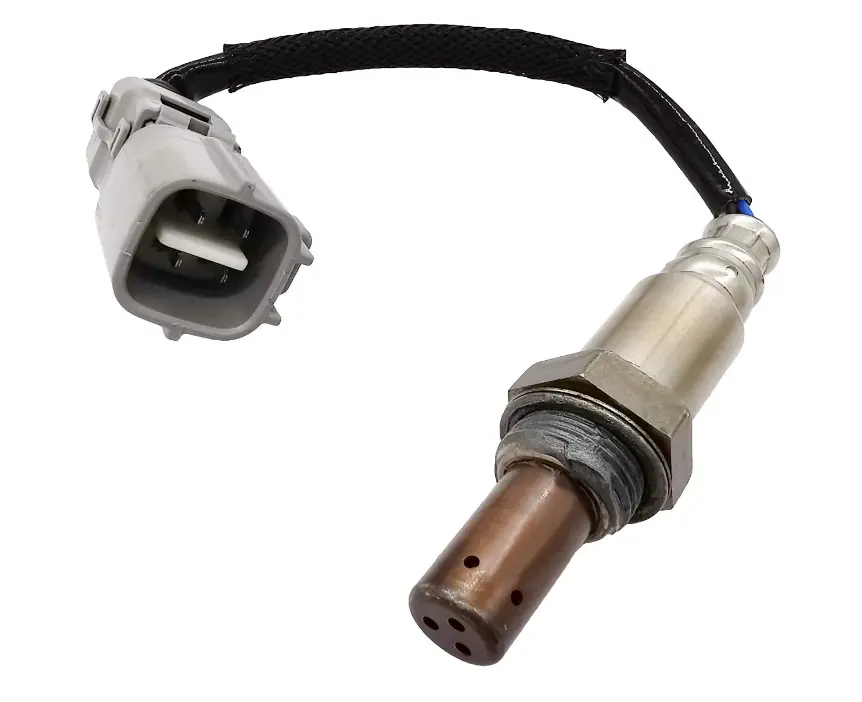
High-precision heated zirconia thimble oxygen sensor engineered for rapid closed-loop response and low cold-start toxic emissions.
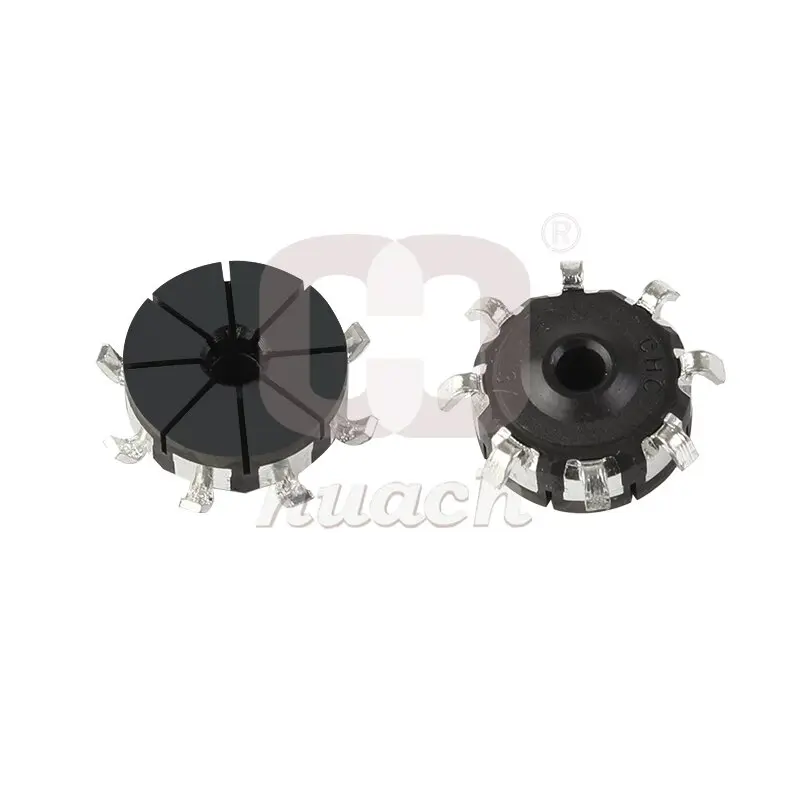
Flagship graphite disc commutator engineered explicitly for alcohol-blended E85/M100 automotive electronic fuel injection systems.
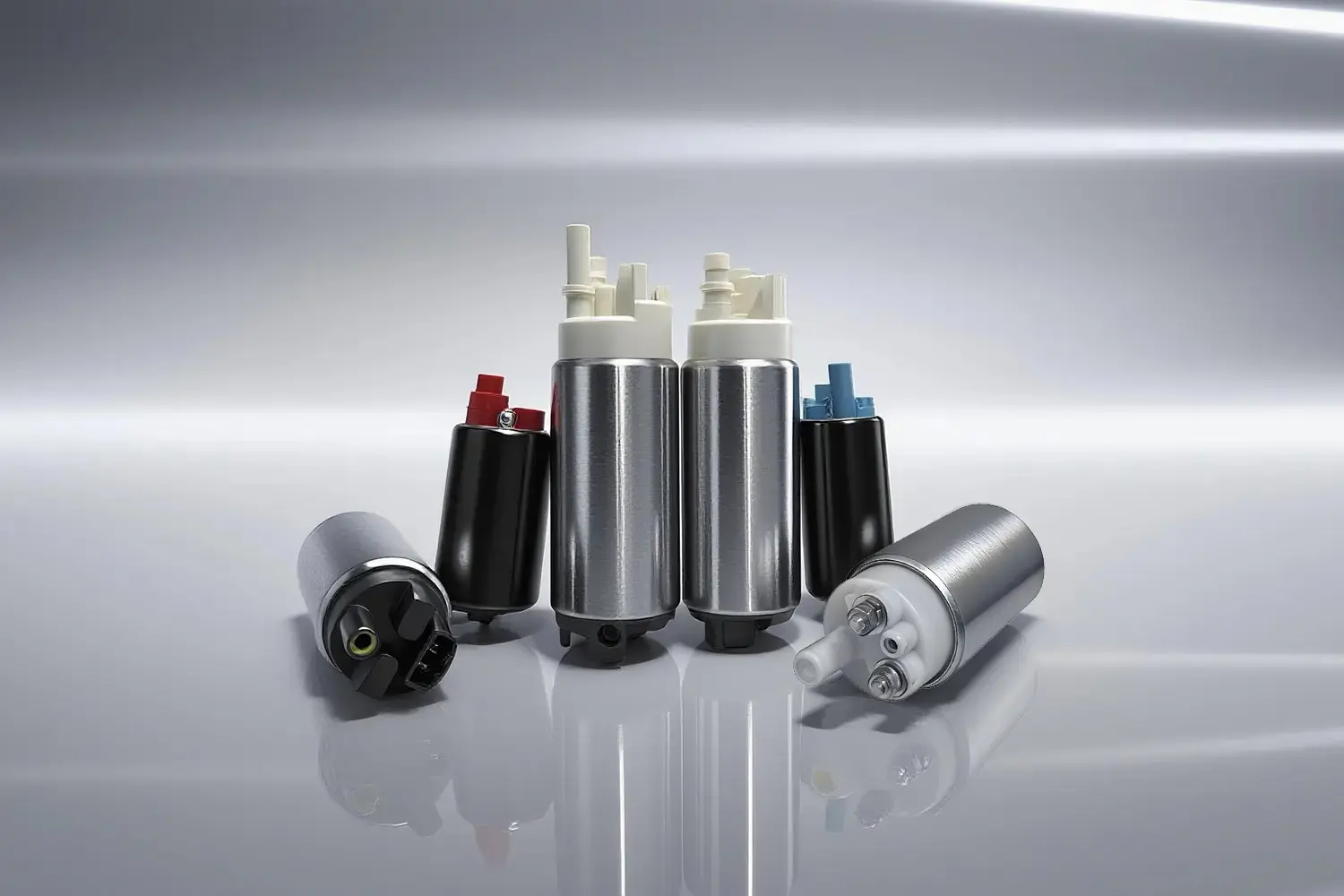
Submersible high-pressure turbine fuel pump core integrated with dynamic-balanced rotor technology and spark-damped brush assemblies.
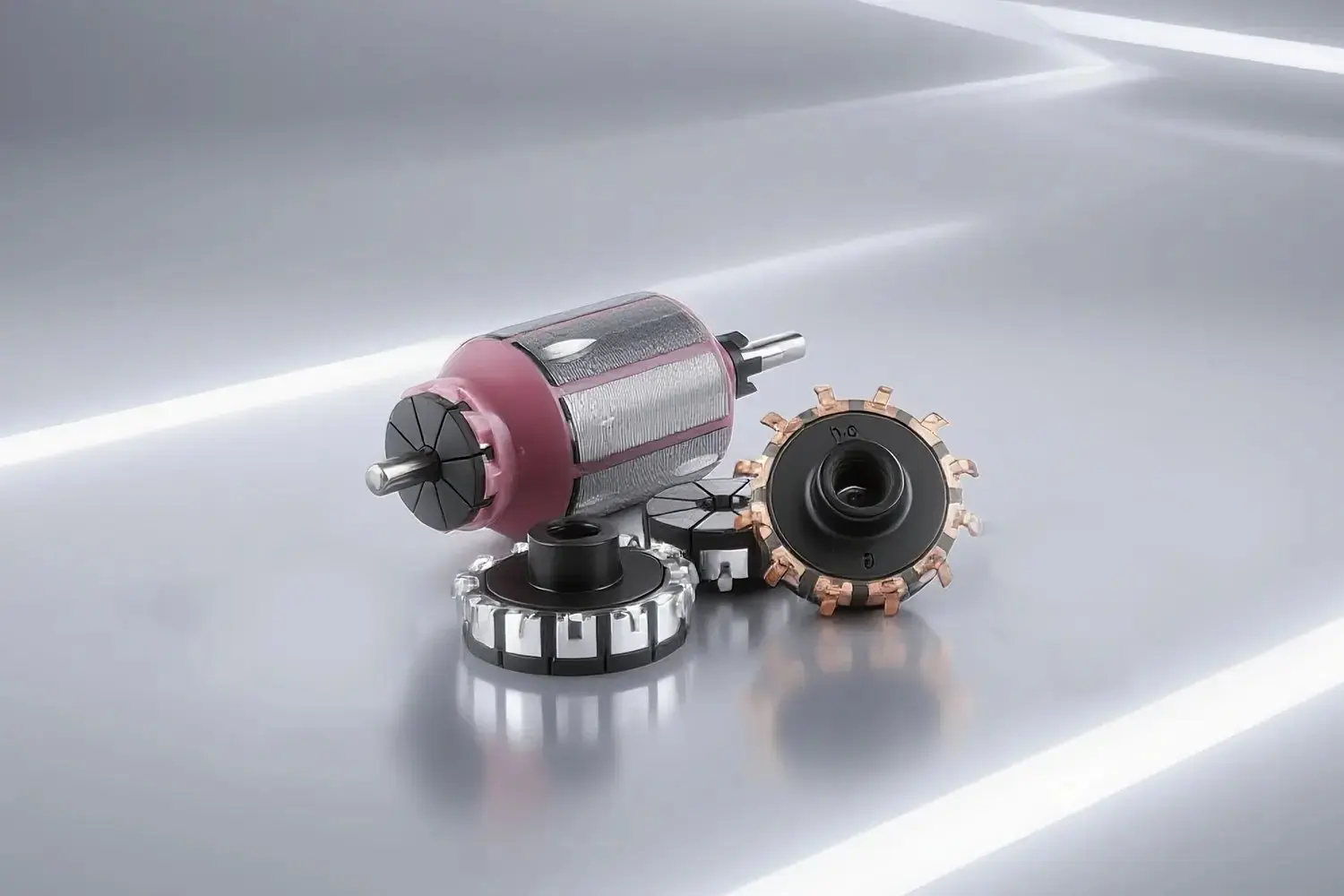
Segmented carbon disc for high-speed micro armatures. Guarantees minimal electrical noise, zero brush burning, and extended pump life.
Post-catalytic converter oxygen sensor delivering strict diagnostic feedback to safeguard converter health and OBD-II compliance.
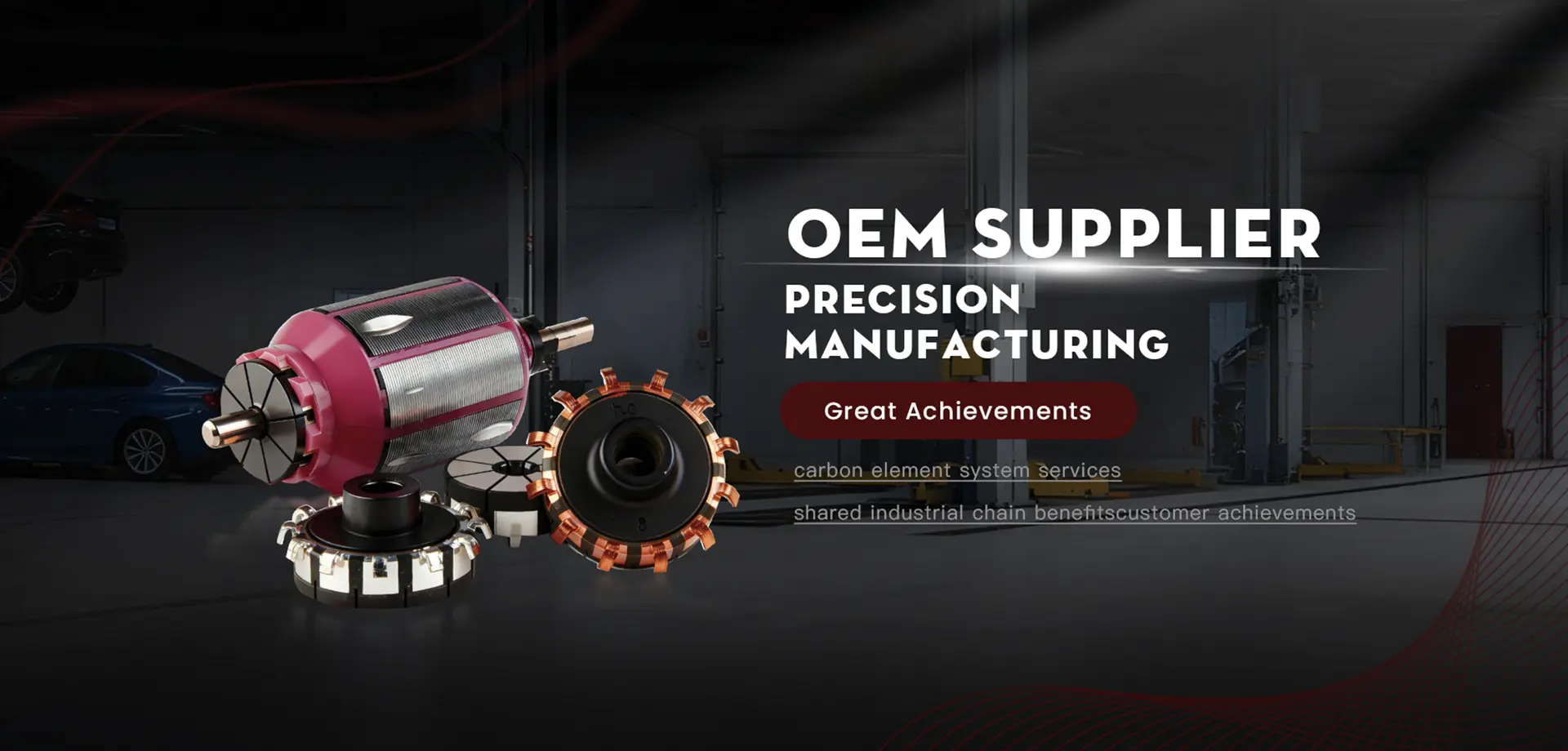
Precision dynamic-balanced electric motor armatures equipped with factory-pressed carbon commutators for silent and vibration-free delivery.
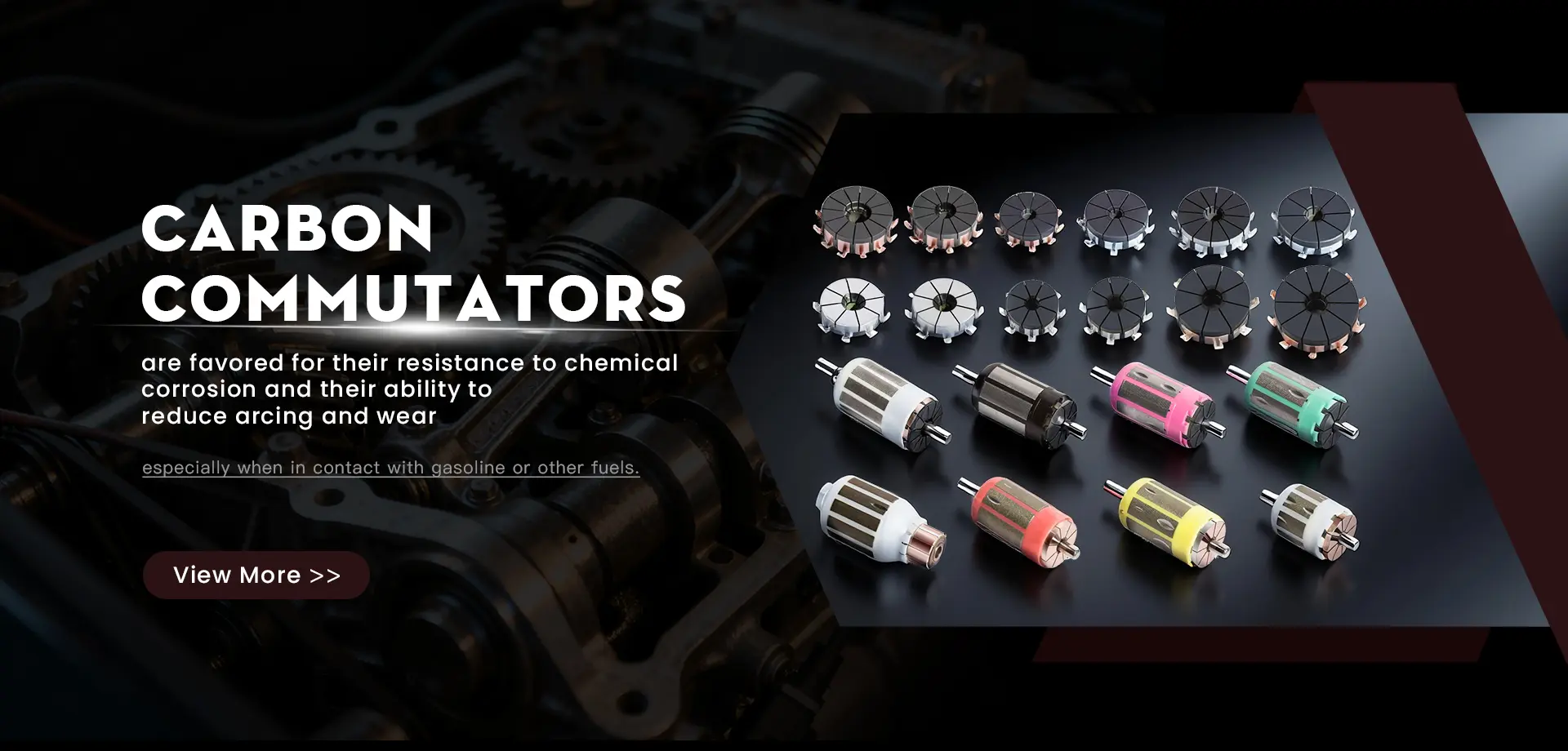
Specially formulated anti-acid motor cores created for flexible-fuel vehicles (FFVs) and heavy corrosive racing fuel blends.
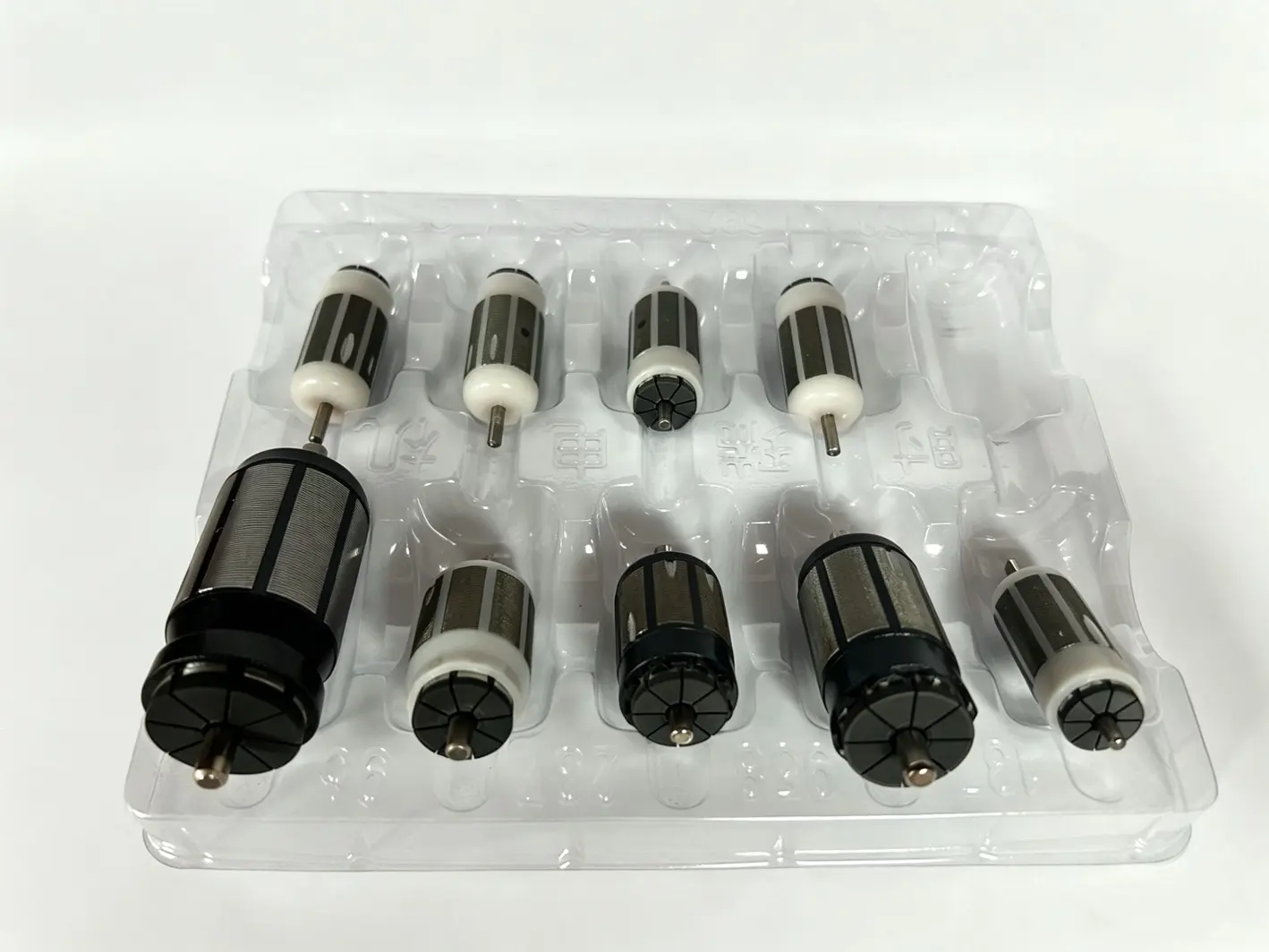
Tailor-made segment geometries designed per client drawings for marine inboards, industrial tractors, and motorcycle EFI pumps.
A comprehensive exploration of zirconia solid-electrolyte electrochemistry, fuel adaptability, and procurement criteria for international automotive engineering supply chains.
Modern engine control units (ECUs) calculate stoichiometric injection windows in milliseconds. High-quality car oxygen sensors utilize dense, atmospheric-sintered Yttria-Stabilized Tetragonal Zirconia Polycrystal (Y-TZP) membranes. When exhaust gas flows over the porous platinum catalytic electrodes, oxygen partial pressure differentials between exhaust and ambient reference air trigger a Nernst electromotive force (EMF) shifting instantaneously between 0.1V (lean) and 0.9V (rich), keeping the air-fuel ratio tightly focused at λ=1.000.
Commercial oxygen sensor failure is predominantly caused by chemical poisoning from silicon vapors, phosphorus additives, and unburned fuel particulates. Hualeao engineers incorporate dual-layer protective ceramic coatings consisting of plasma-sprayed magnesium-aluminum spinel (MgAl2O4). This micro-porous barrier traps toxic contaminants while allowing gas molecules unimpeded diffusion into the electrode reaction zone, significantly extending downstream life beyond 160,000 kilometers.
To comply with cold-start emission regulations (Euro 6d / China VI / EPA Tier 3), an oxygen sensor must reach active operational temperature (>350°C) within seconds. Our sensors integrate high-density co-fired platinum heater circuits directly inside the ceramic element substrate. This achieves operational activation in less than 7 seconds, preventing high hydrocarbon release during early combustion cycles while consuming under 18 Watts at steady state.
Global supply chain directors and procurement executives evaluate car oxygen sensor factories on strict metallurgical, electronic, and quality containment criteria.
Suppliers must ensure exact mechanical thread sizing (M18×1.5 metric), hex nut dimensions, wire-harness lengths, and terminal lock pinouts matching Denso, Bosch, NTK, and Delphi footprints with zero installation rework.
Every single oxygen sensor manufactured at Hualeao is permanently laser-etched with a unique 2D DataMatrix code, allowing traceability from the specific batch of ceramic powder through furnace sintering runs and calibration benches.
Automotive exhaust conditions swing rapidly between ice-water splash and 900°C burning exhaust gas. Factory validation mandates zero element micro-cracking across 1,000 thermal shock cycles from 850°C into cold liquid spray.
Sensors require laser-welded SUS310S or SUS316 housings with hermetic glass-ceramic seals resisting pressures of >2.5 MPa to stop toxic exhaust leakage into the engine bay or cabin air intakes.
| Performance Parameter | Standard Aftermarket Sensors | Hualeao Factory OEM-Tier Sensors | Import Brand Benchmarks |
|---|---|---|---|
| Element Technology | Pressed Thimble Ceramic | Multi-Layer Planar Y-TZP Solid Electrolyte | Multi-Layer Co-fired Planar |
| Light-Off Response Time (τ63) | > 25.0 Seconds | ≤ 6.8 Seconds (Ultra-Fast Activation) | ≤ 7.0 Seconds |
| Anti-Poison Spinel Coating | Single Dip Slurry (Irregular) | Plasma-Sprayed Dual-Layer MgAl2O4 Spinel | Plasma-Sprayed Spinel |
| Ethanol / Methanol Compatibility | Standard Gasoline Only | E10, E85, M15, M100 Alcohol Resistant | Fuel Specific Grades |
| Housing Weld Integrity | Resistance Spot Welded | Automated 360° Continuous Laser Weld | Continuous Laser Weld |
| Operational Service Lifespan | 40,000 - 60,000 km | 120,000 - 160,000 km Guaranteed | 160,000 km |
Why leading vehicle manufacturers solve engine management and fuel delivery issues holistically across pumps, commutators, and exhaust sensors.
In traditional automotive fuel circuits, ethanol and methanol mixtures act as polar electrolytes. Conventional copper commutators rapidly oxidize, pit, and develop electrolytic erosion, which causes premature fuel pump failure and erratic rail fuel pressure.
When fuel pressure fluctuates, combustion stoichiometry deviates drastically from the ideal 14.7:1 ratio. This exposes downstream car oxygen sensors to severe rich/lean soot transients and raw fuel droplets, coating platinum elements with carbon crusts and causing sensor sluggishness or DTC P0133 fault codes.
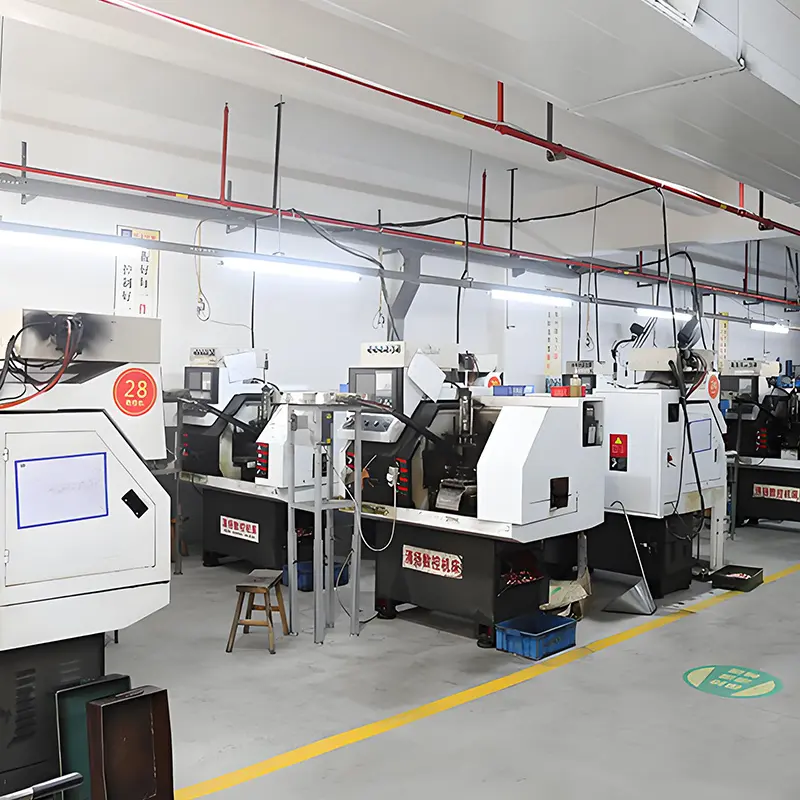
How Hualeao automotive research alliances with national institutes drive the next generation of broadband lambda sensing and high-efficiency electrification.
Advancing Universal Exhaust Gas Oxygen (UEGO) broadband planar technology. Unlike traditional binary sensors that merely switch between high and low voltages, wideband sensors measure continuous lambda values from 0.70 (very rich) to clean atmospheric air (infinity), enabling direct-injection gasoline (GDI) and high-boost turbo engines to minimize fuel consumption under sudden throttle bursts.
In Hybrid Electric Vehicles (PHEV/HEV), internal combustion engines start and stop repeatedly at rapid intervals during urban stop-and-go driving. Oxygen sensors in hybrid powertrains experience rapid thermal cycling. Our next-generation elements incorporate insulated thermal barriers that sustain operating temperature during electric-only cruising modes, cutting restart re-heating time to under 1.5 seconds.
Transitioning toward smart integrated sensors with embedded micro-ASIC controllers outputting digital SENT or CAN-bus exhaust telemetry directly into vehicle domain controllers. This eliminates analog noise susceptibility and facilitates predictive catalytic degradation warnings, supporting long-term zero-emission fleet maintenance strategies.
Precision automotive engineering demands ruggedization across distinct operating environments, temperatures, and duty cycles.
Modern passenger vehicles require tight closed-loop fuel metering. High-performance lambda sensors paired with vibration-free fuel pump armatures provide smooth, low-noise running and extended operating lifespans.
Compact high-revving motorcycle engines subject sensors to rapid exhaust pulses and high vibrational G-forces. Miniaturized, ruggedized sensor bodies withstand harsh operating conditions within restricted engine bays.
Excavators, wheel loaders, and mining cranes operate under extreme thermal dust and continuous peak torque. Ceramic sensor casings and robust wiring harnesses defend against abrasion and heat degradation.
Marine motors encounter corrosive salt spray and high atmospheric humidity. High-grade SUS316 stainless steel housings and specialized ceramic packings resist maritime corrosion and prevent seawater intrusion.
Protecting distributors and supply chain partners with thorough factory qualification, lab validations, and direct engineering accountability.
Our production facilities operate strictly within certified IATF 16949 quality protocols. Statistical Process Control (SPC) is integrated across stamping, sintering, furnace curing, element brazing, and automated lead-wire crimping. Poka-yoke error-proofing prevents any assembly discrepancy, ensuring a defective parts per million (PPM) rate well under 50 across mass manufacturing runs.
All Hualeao automotive oxygen sensors, fuel pumps, and carbon commutators carry an unconditional commercial warranty against metallurgical breakdown, element cracking, and electrical open circuits. We provide direct container-level batch retention samples for every shipping consignment, giving regional distributors solid reassurance and zero brand exposure.
Detailed technical answers for powertrain engineers, fleet directors, and purchasing managers sourcing automotive oxygen sensors and electric fuel pump components.
The sensor compares residual oxygen molecules in engine exhaust with ambient reference oxygen. At the stoichiometric threshold (14.7 parts air to 1 part fuel for gasoline, or λ=1.000), a pronounced chemical gradient occurs across the heated zirconia ceramic barrier, generating an abrupt voltage shift from 0.1V to 0.9V. The ECU reads this feedback continuously to trim injector pulse widths.
Upstream sensors are installed before the catalytic converter to regulate primary fuel trim. Downstream sensors sit after the catalytic converter; their role is diagnostic, assessing catalytic efficiency. If the downstream sensor tracks the upstream fluctuation too closely, it indicates that catalyst oxygen storage has degraded, triggering an OBD-II check engine code (such as P0420).
Fuel pump motors operate fully submerged in liquid fuel. In modern ethanol- or methanol-blended fuels (e.g. E10, E85), copper segments oxidize quickly from fuel-borne chemical ions and spark-induced galvanic corrosion. Hualeao carbon-graphite commutators are chemically inert, offering low friction, high wear resistance, and long-term durability in alcohol-rich fuels.
Yes. We regularly develop custom components from customer drawings, physical samples, or OEM reference numbers. Our technical team works directly with clients to verify structural dimensions, wiring pinouts, connector molds, and material compositions to match specific engine and fuel environments.
Our products serve automotive passenger car platforms, commercial delivery fleets, powersports/motorcycle fuel delivery systems, heavy agricultural and construction machinery, and marine craft. We provide reliable components for both Tier-1 OEM integration and aftermarket replacement.
We follow strict IATF 16949-aligned standards across raw material inspection, automated multi-axis CNC shaping, controlled sintering, and 100% computerized line-end testing. Critical electrical and mechanical metrics are tracked through continuous Statistical Process Control (SPC).
Precision-manufactured fuel delivery, air-fuel ratio management, and high-efficiency motor armature products for international wholesale distribution.
Direct OEM-fit oxygen sensor providing fast activation, rapid signal feedback, and robust resistance to chemical contamination.
High-purity carbon-graphite disc element engineered for alcohol-tolerant EFI pump armatures, reducing wear and electrical arcing.
Reliable high-pressure fuel pump assembly engineered for stable fuel delivery and low operational noise in passenger cars and light commercial vehicles.
Manufactured to replace traditional copper segments, offering minimal spark interference and stable current delivery under heavy loads.
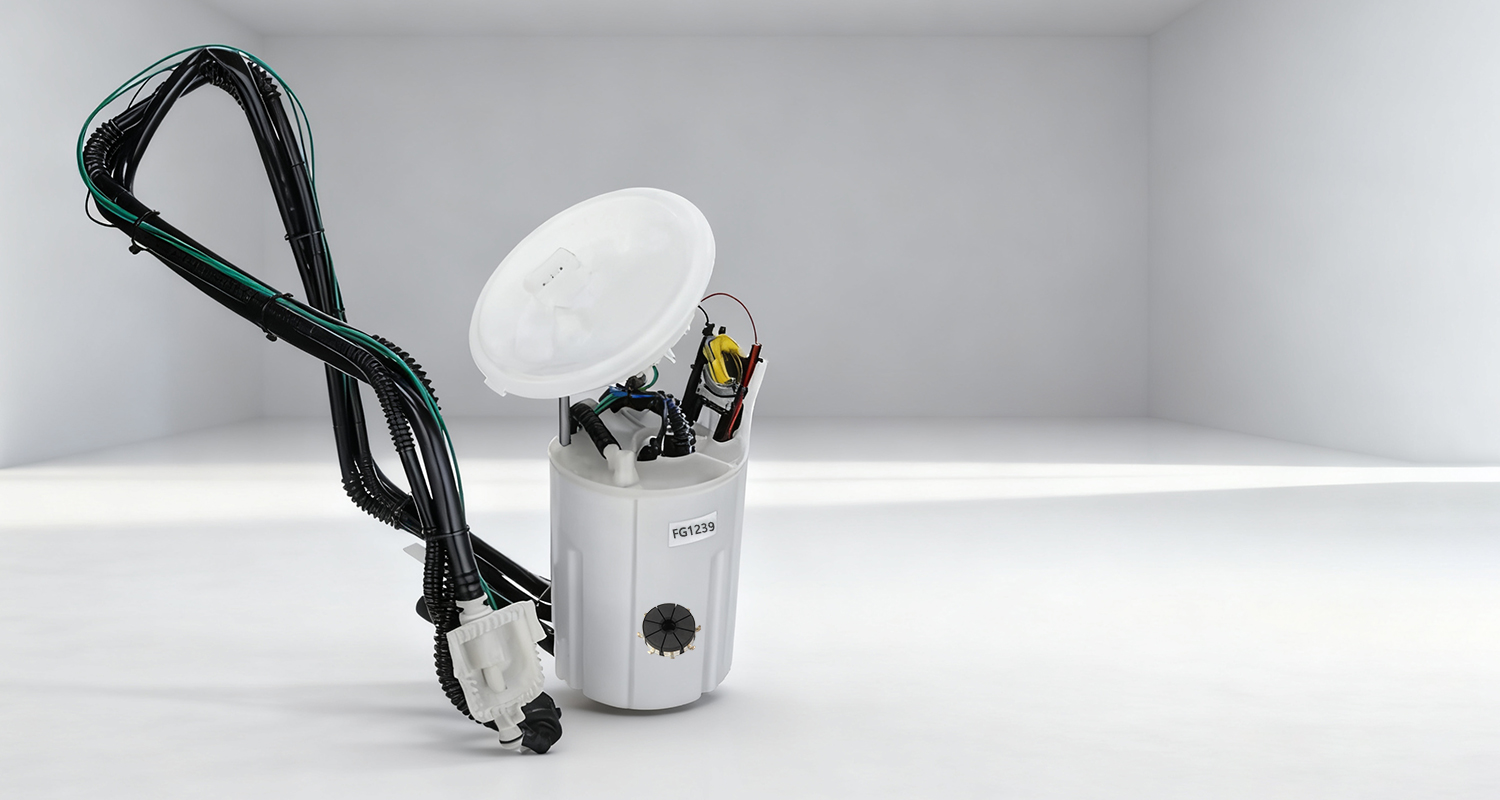
Complete fuel module subcomponents designed for automotive engine management, maintaining consistent delivery across varied temperatures.

Compact, lightweight fuel delivery module tailored for high-revving motorcycle engines and powersports applications with tight fitment limits.

Durable fuel pump components engineered to endure continuous high-load operations in agricultural, earthmoving, and mining equipment.
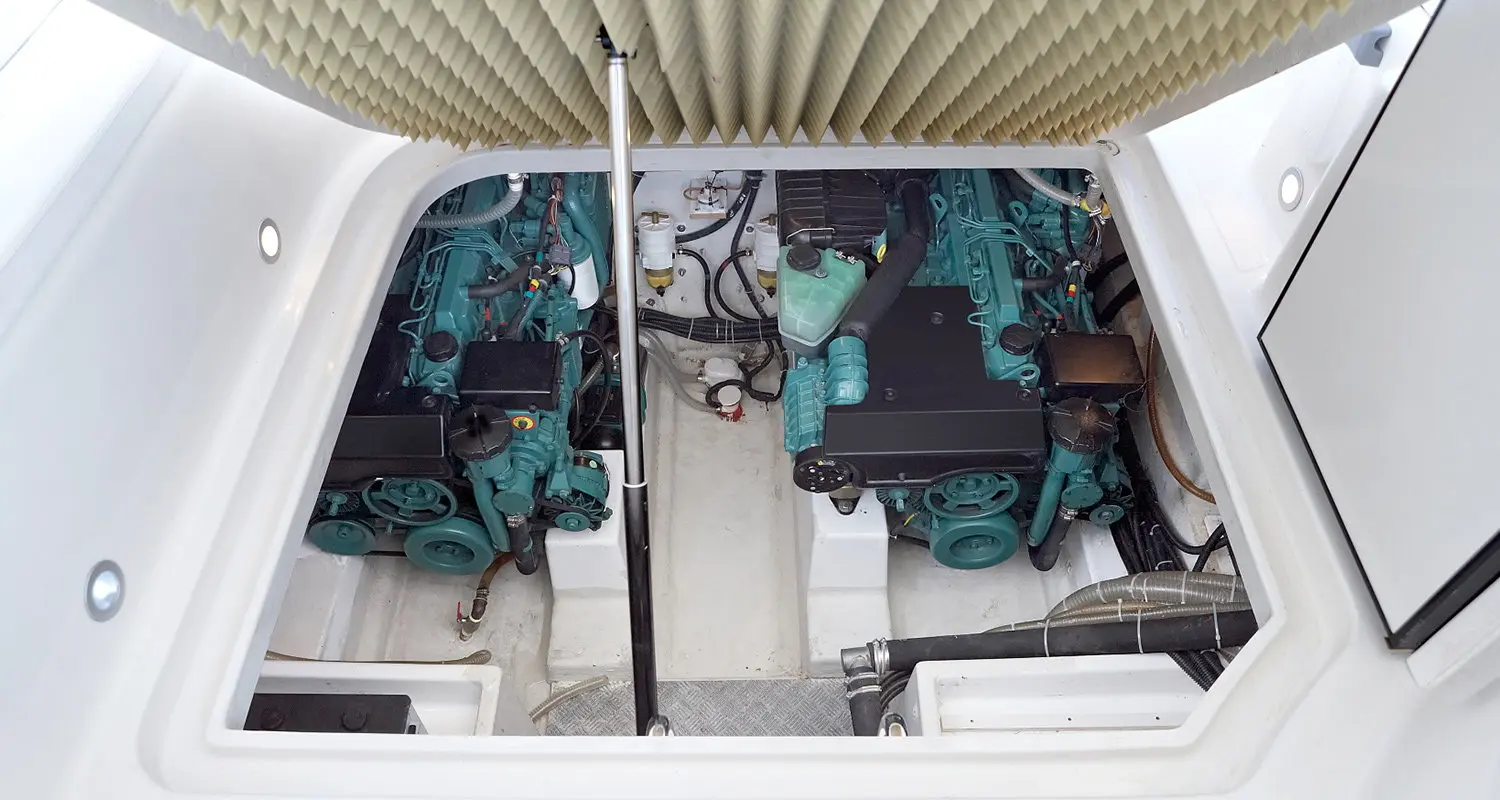
Corrosion-resistant fuel delivery elements and sensors treated for marine outboards, inboard engines, and high-salinity maritime environments.