
Proprietary Carbon
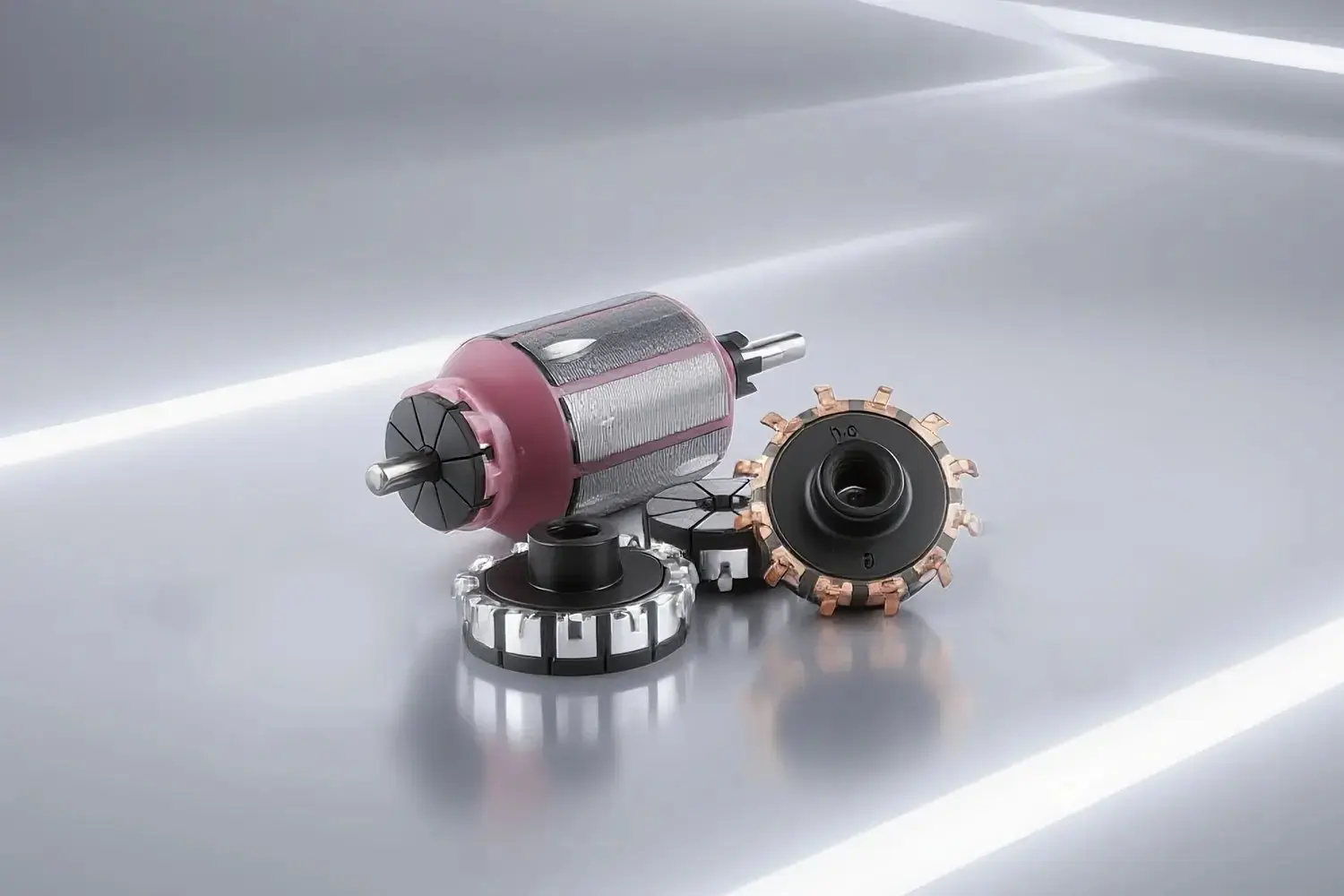
Carbon Commutator Core
High-transmission carbon-graphite disc commutators providing alcohol-corrosion immunity and vibration resilience.
Explore SpecificationEngineered for high current density, minimized thermal arcing, and long-cycle electrical stability.
High-transmission carbon-graphite disc commutators providing alcohol-corrosion immunity and vibration resilience.
Explore Specification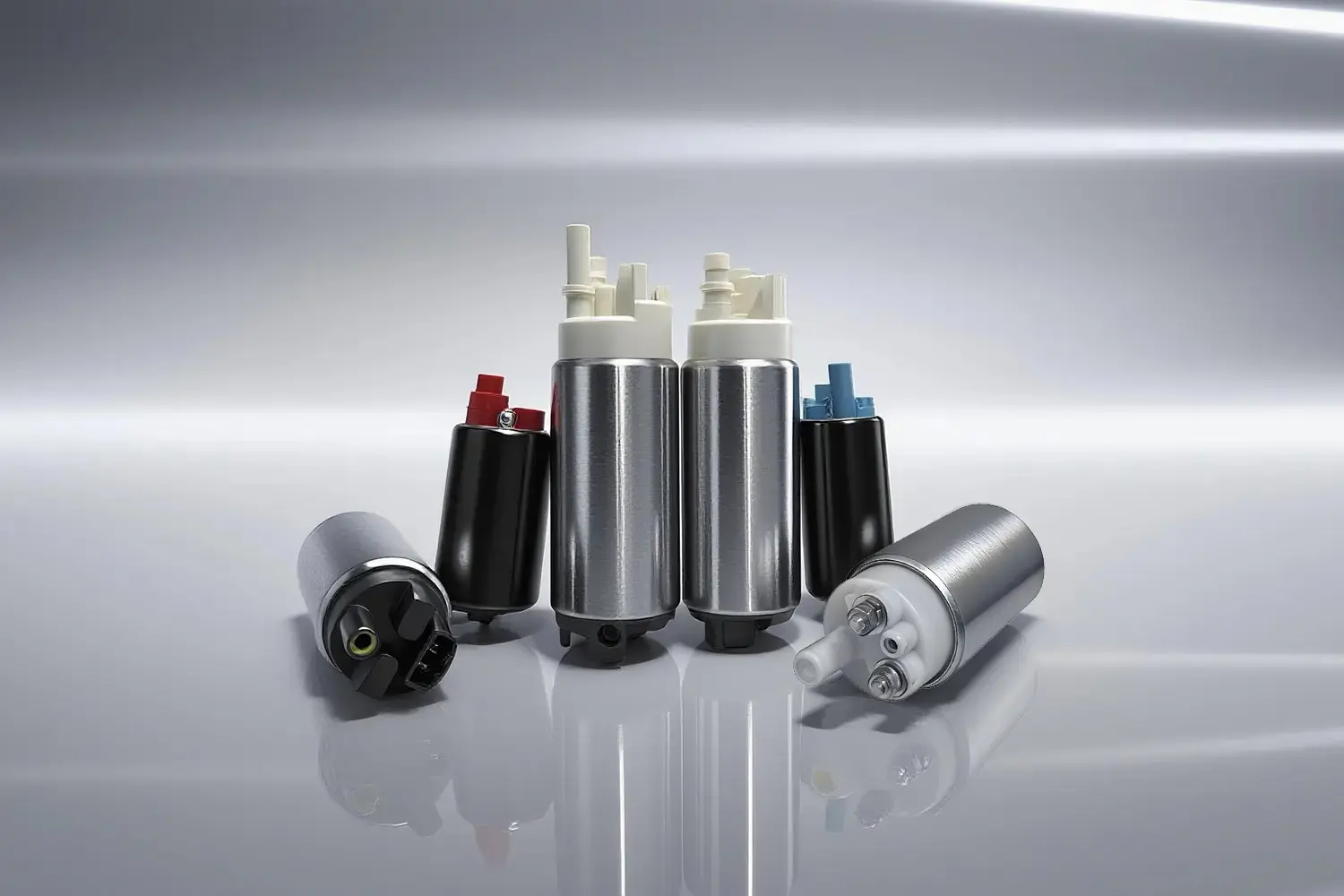
DC generator armature and motor core designed for submerged gasoline, ethanol, and methanol EFI fuel environments.
Explore Specification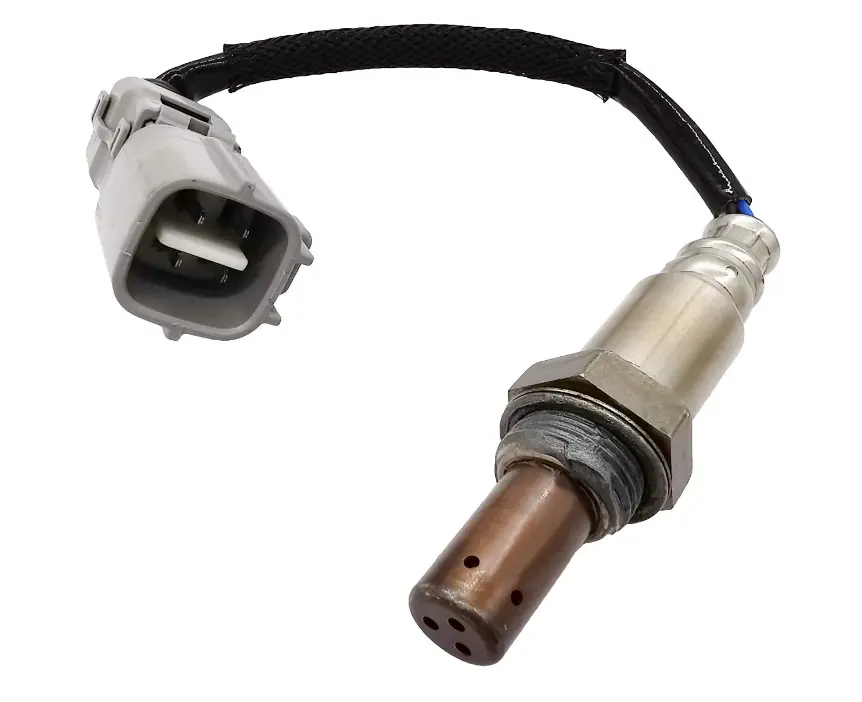
Zirconia lambda sensors providing instant closed-loop ECU calibration to maintain stoichiometric ratios.
Explore Specification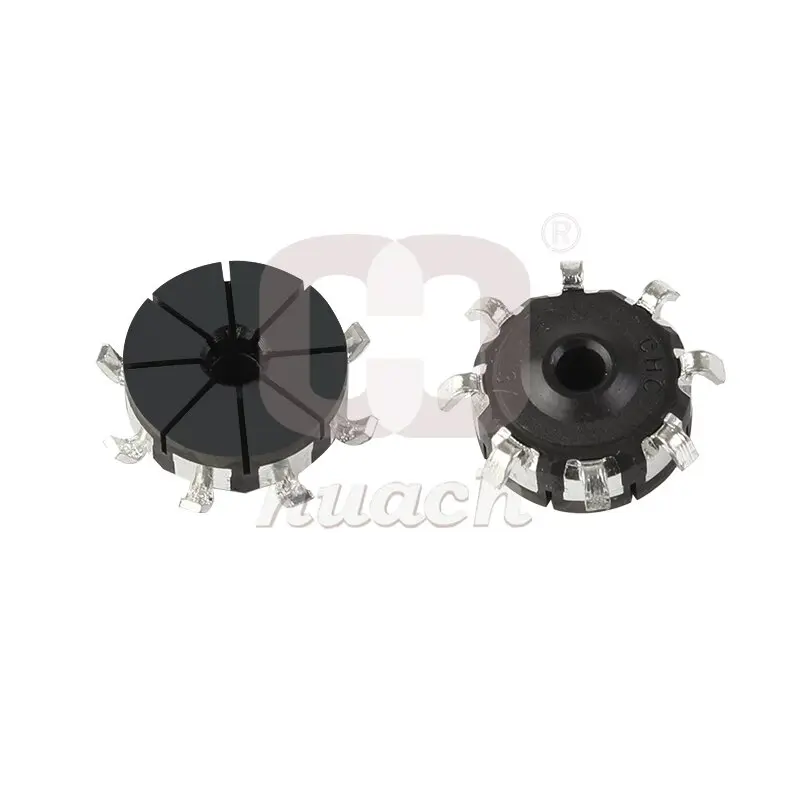
Heavy-duty commuter assembly built with optimized multi-segment copper-graphite molecular interfaces.
Explore Specification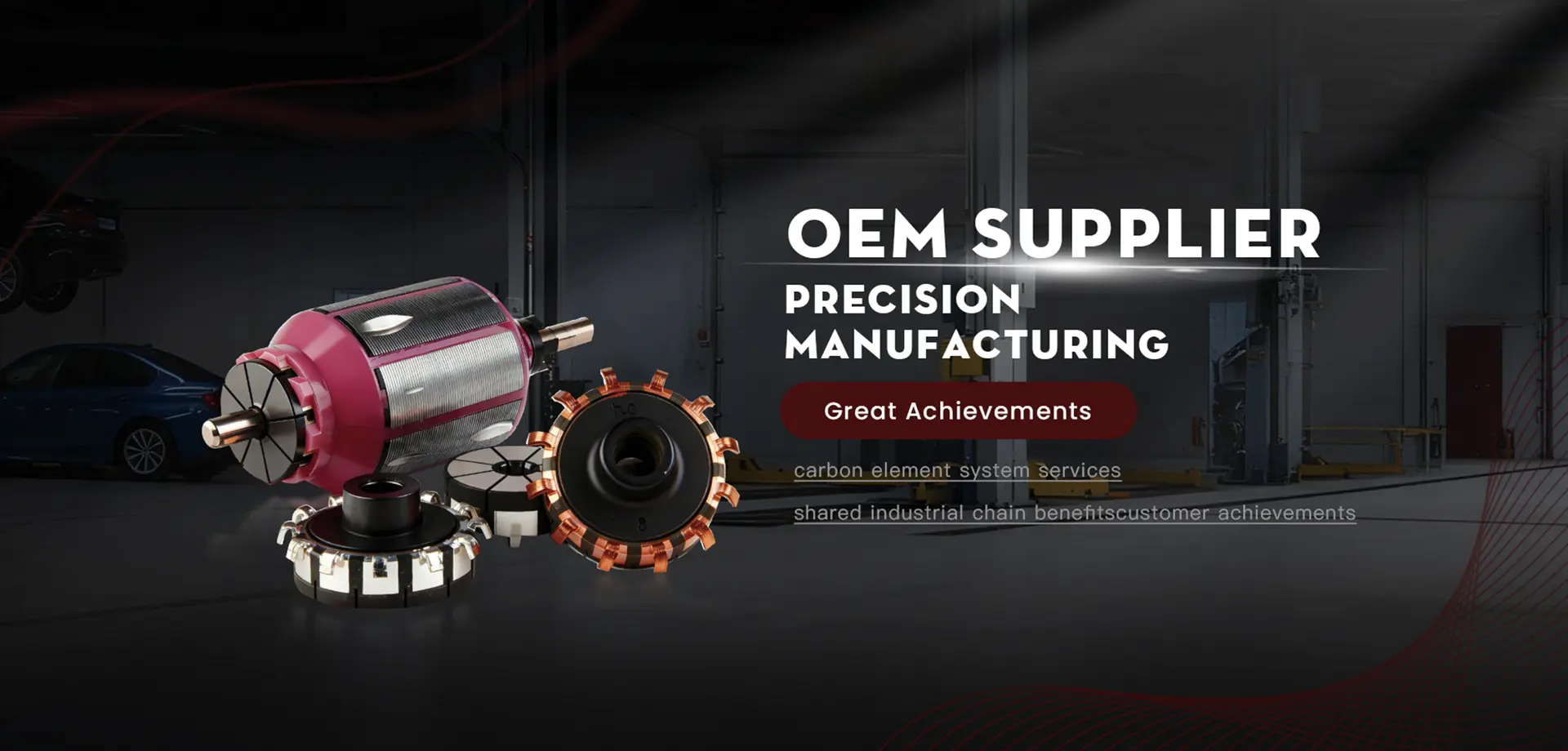
Optimized slot geometry minimizing armature reaction in DC generation and continuous micro-traction.
Explore Specification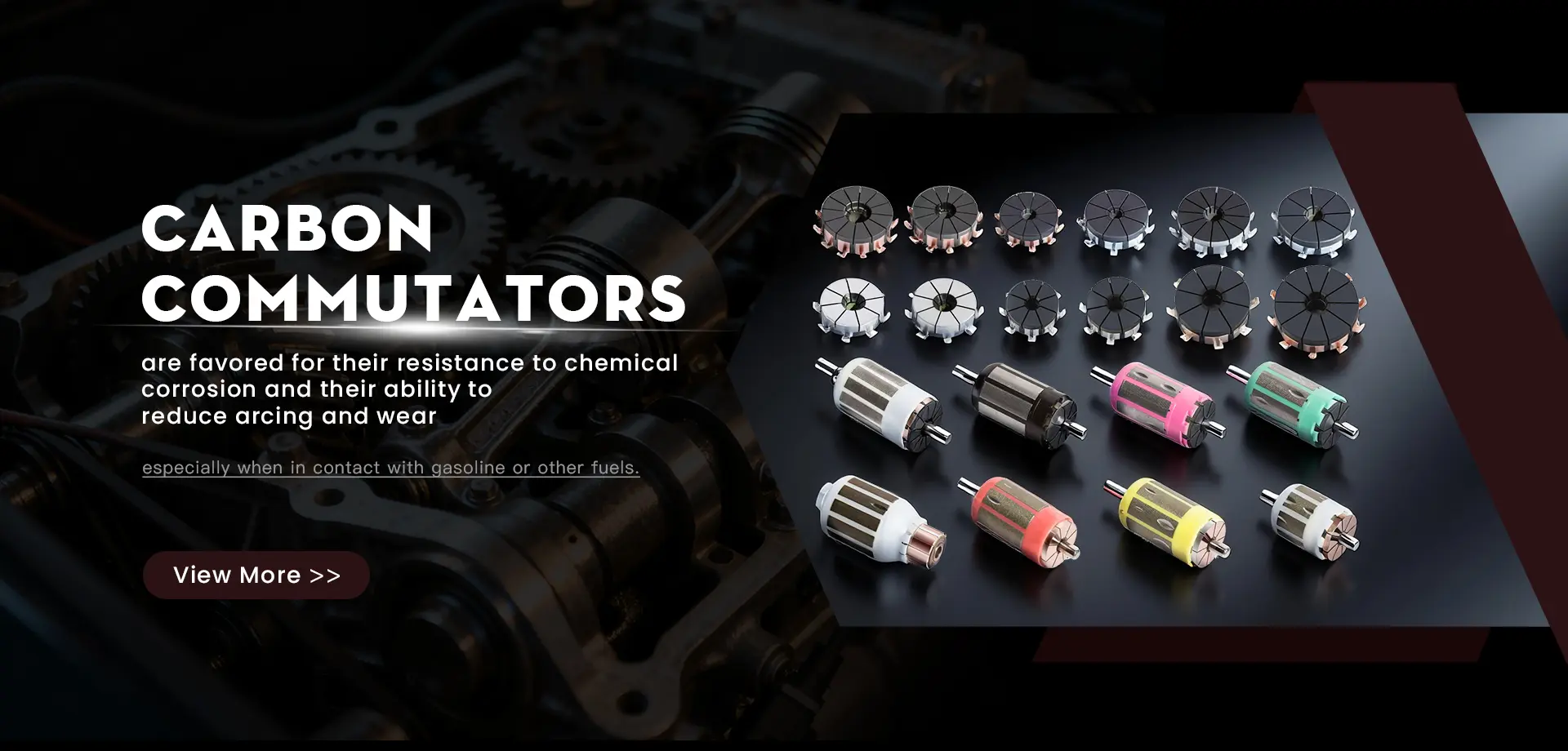
Engineered carbon compound that completely eliminates delamination in high-percentage alcohol blends.
Explore Specification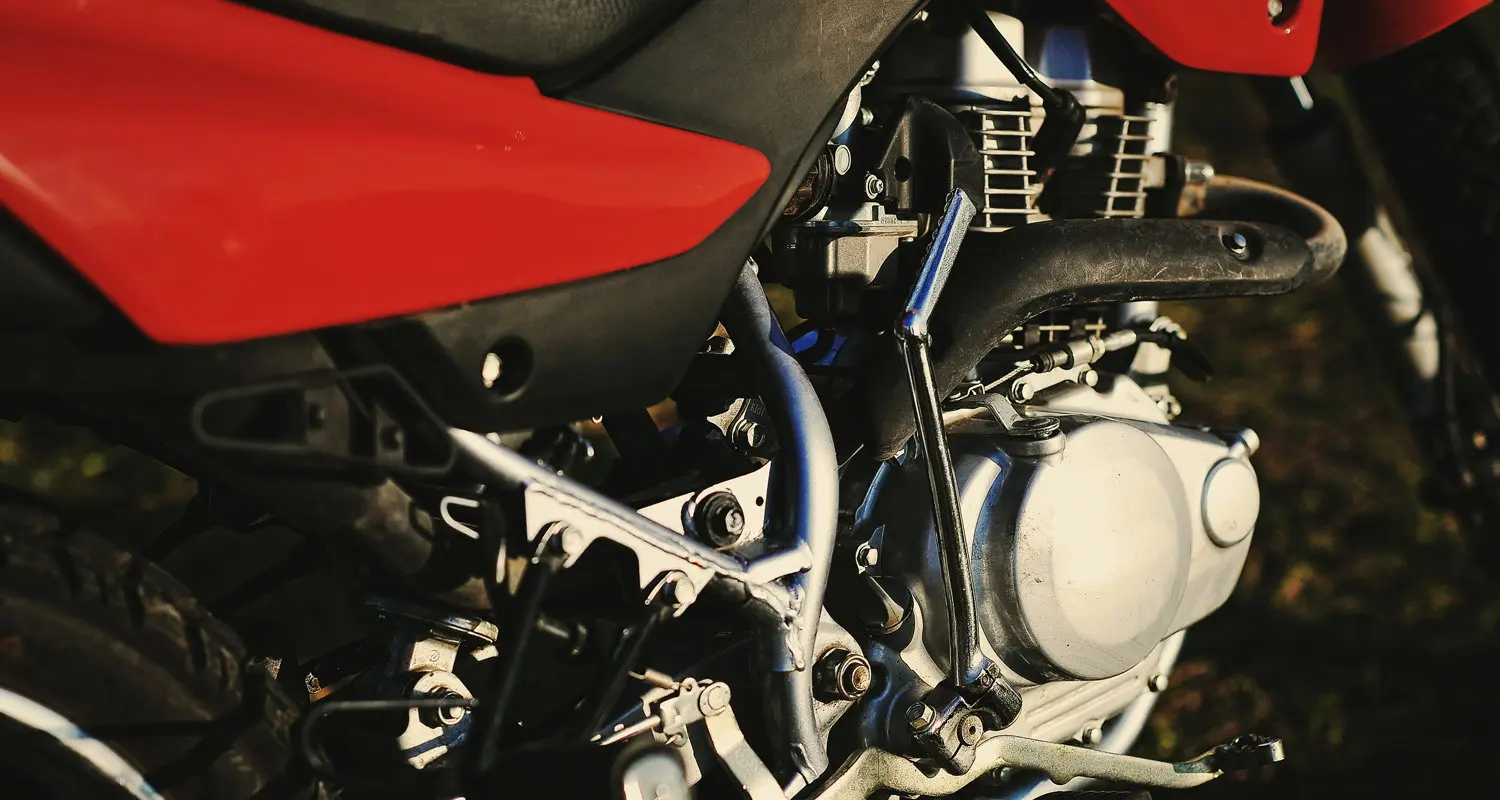
Ultra-compact carbon segment layouts engineered for high-RPM operation in sports and powersport equipment.
Explore Specification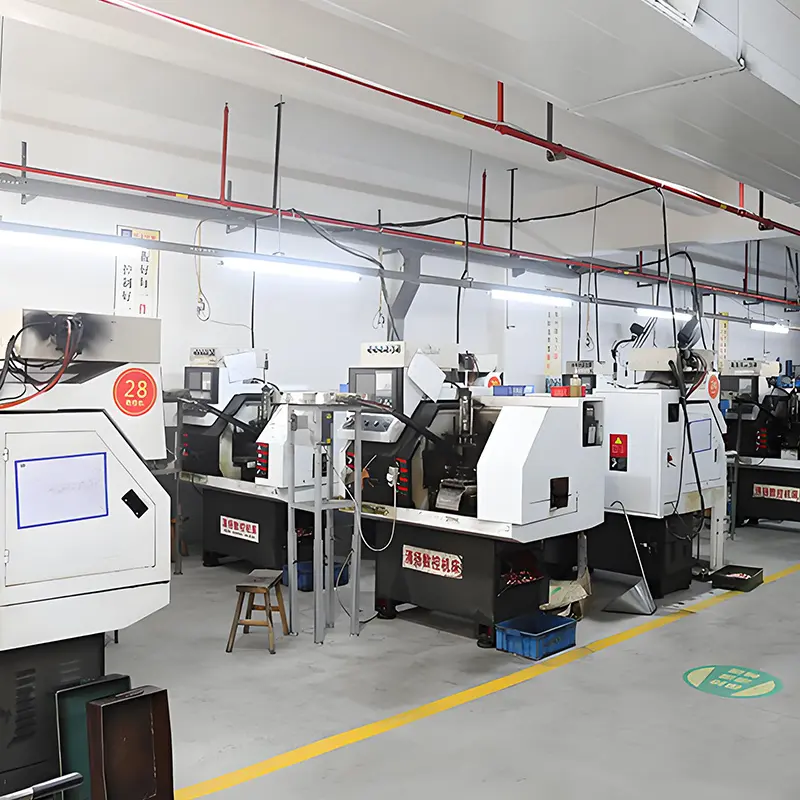
Complete rotor, winding, and commutator assembly calibrated for steady output under volatile fuel pressures.
Explore SpecificationA rigorous examination of electrical rectification, carbon-graphite interfacial mechanics, and alcohol-corrosion mitigation in modern DC electrical generation.
In a direct current (DC) generator, the commutation assembly operates as an autonomous, mechanical rotary switch. As the armature turns within a static magnetic field, alternating electromotive force (EMF) is induced within the rotor windings. The commutator segments, spaced by microscopic mica or synthetic dielectric air-gaps, interface directly with spring-loaded carbon brushes. This action continuously reverses winding connectivity at the exact moment of neutral magnetic plane crossing, providing smooth, unidirectional terminal output without relying on external semiconductors.
Traditional DC generator commutators designed with pure electrolytic copper segments suffer rapid catastrophic electrochemical degradation when operating submerged in high-ethanol fuels (e.g., E85, E100) or methanol-heavy compounds. Moisture absorption combined with organic ionic halides causes galvanic pitting across copper segments, creating microscopic burrs and aggressive arcing. Hualeao’s composite carbon-graphite segments create an inert sliding boundary layer, eliminating chemical corrosion and extending armature longevity up to 400%.
Arcing between brushes and commutator segments degrades electrical efficiency and generates harmful Electromagnetic Interference (EMI) that disrupts engine ECUs. Through fine-grained control over segment surface concentricity (within ≤0.003mm) and specialized graphitic resistivity gradients, our commutation assemblies dissipate localized inductive energy spikes during the reversal period. This passive arc containment stabilizes generated output voltage while preserving brush contact life across tens of thousands of continuous operational hours.
Analyzing global propulsion electrification, hybrid range-extender deployment, and the worldwide supply chain for high-performance DC power generation components.
As Latin America, Southeast Asia, and North America mandate higher biofuel concentrations (such as E20 to E85), conventional copper-segment fuel pumps are prematurely failing at record rates. Commutation DC generator factories must transition toward sintered graphite composites. At the same time, Range-Extended Electric Vehicles (REEVs) rely heavily on high-output DC charging generators to continuously feed battery packs, requiring commutators with extreme current density and continuous high-temperature resistance.
Global Tier-1 OEMs are moving away from unverified low-cost suppliers toward vertically integrated manufacturing partners who possess end-to-end metallurgical and testing infrastructure. From raw synthetic graphite compounding and high-tonnage cold isostatic pressing to dynamic laser balancing, tier-level reliability is required to safeguard against catastrophic field recalls across automotive and commercial vehicle fleets.
Beyond passenger mobility, heavy industries such as mining machinery, marine transport, and remote off-grid auxiliary power units (APUs) demand rugged DC generation. Commutation assemblies operating in these sectors are exposed to ambient salt air, extreme thermal swings, and severe physical vibration. Precision manufacturing with specialized resin bonding and high-temperature brazing ensures continuous electrical output without segment lifting.
Providing seamless engineering collaboration, cross-border regulatory certifications, and dependable supply chain logistics across global territories.
Every commutator and rotor core is manufactured in strict accordance with automotive-grade quality management protocols, guaranteeing complete batch traceability and zero-defect initiatives.
Our graphitic compounds, high-purity copper rings, and specialized structural resins are 100% free of hazardous heavy metals, meeting strict European Union environmental mandates.
Our localized engineering desk accepts 2D/3D CAD models, OE cross-references, or physical samples, providing Rapid Prototyping and tooling validation within 15 working days.
Dedicated technical project managers fluent in English and Chinese offer real-time application support, failure mode analysis (DFMEA/PFMEA), and on-site assembly integration advice.
Field-proven performance across automotive, off-highway machinery, marine environments, and high-performance racing platforms.
Modern passenger vehicles with direct-injection engines require reliable high-pressure supply pumps. Hualeao carbon commutators provide stable contact friction, avoiding debris shedding and pump seizures across 150,000+ miles.
High rev cycles and compact fuel tanks cause severe mechanical shock and thermal loading. Our miniature commutators guarantee unhindered dynamic balance and immediate throttle response under high RPMs.
In dust-heavy construction, mining excavators, and generators, electrical components face continuous mechanical strain. Hualeao heavy-duty armatures offer elevated thermal stability and resistance to dielectric breakdown.
Marine environments feature constant humidity and salt-air ingress that degrades ordinary commutators. Our specialized composite formulation prevents electrochemical oxidation and provides reliable ignition in open waters.
Precision CNC Commutator Slitting Cell
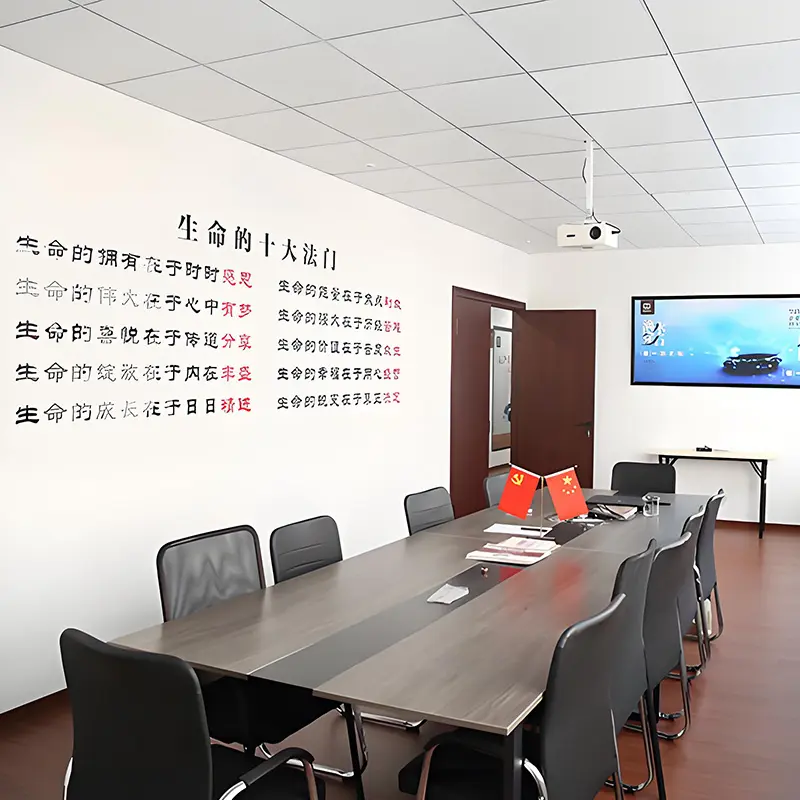 Automated Dynamic Balancing & Electrical Inspection
Continuous innovation in nanomaterial compounding, solid-state integration, and ultra-high-efficiency DC generator architectures.
Infusing carbon matrices with sub-micron conductive particles to lower electrical contact resistance by 18% while enhancing thermal dissipation during elevated current spikes.
Integrating 360-degree computer-vision inspection cells with micron-level telecentric lenses to assess 100% of commutator air gaps and segment planar alignment at line speeds.
Engineered resin matrix matrices designed to operate in 100% synthetic e-fuels and zero-emission neat methanol internal combustion generator architectures without swelling.
Integrated self-lubricating, copper-graphite brush-commutator pairs delivering low audible noise (<42 dB) and high operational lifespans for autonomous APUs and airborne micro-drones.
Every commutator and DC motor assembly passes through a strict validation cycle ensuring structural integrity, accurate dimensions, and stable serial supply.
Incoming graphite powders and electrolytic copper are tested using spectrophotometry to confirm purity and density before molding begins.
Cold isostatic compaction combined with high-precision CNC slitting ensures clean segment definitions and consistent mica insulation spacing.
Armatures undergo laser dynamic balancing at rated operating RPMs to eliminate runout, suppress mechanical vibration, and extend brush life.
High-voltage breakdown, segment resistance uniformity, and bar-to-bar surge tests confirm consistent performance across all mass-production runs.
In-depth technical papers written by our senior engineering team to assist system integrators and procurement teams.
An oxygen sensor sits in the exhaust manifold, monitoring unburnt oxygen levels and sending real-time millivolt signals to the ECU. This allows precise fuel trimming to protect catalytic converters and maintain peak fuel efficiency.
Inside an electric fuel pump motor, the carbon commutator acts as the dynamic switching interface with the brushes. Contact quality, material density, and segment geometry directly determine output pressure, pump noise, and service life.
A commutator serves as a mechanical rectifier, reversing winding connections as current paths cross the magnetic neutral zone. Without precise segment alignment and reliable materials, smooth DC generation is not possible.
Engineered for exact electrical performance, harsh-fuel endurance, and international system compatibility.
Balanced multi-segment graphite commutator designed for consistent performance in low-lubricity alcohol blends.
Explore Specification
High-flow, low-noise modular pump unit equipped with an integrated graphite commutation system.
Explore Specification
Fast-light-off oxygen sensor designed for rapid closed-loop response during cold start cycles.
Explore Specification
Flat-face disc geometry providing smooth, stable contact with minimal axial space requirements.
Explore Specification
Precision-matched commutator segments for small DC generators, micro-turbines, and specialized utility motors.
Explore Specification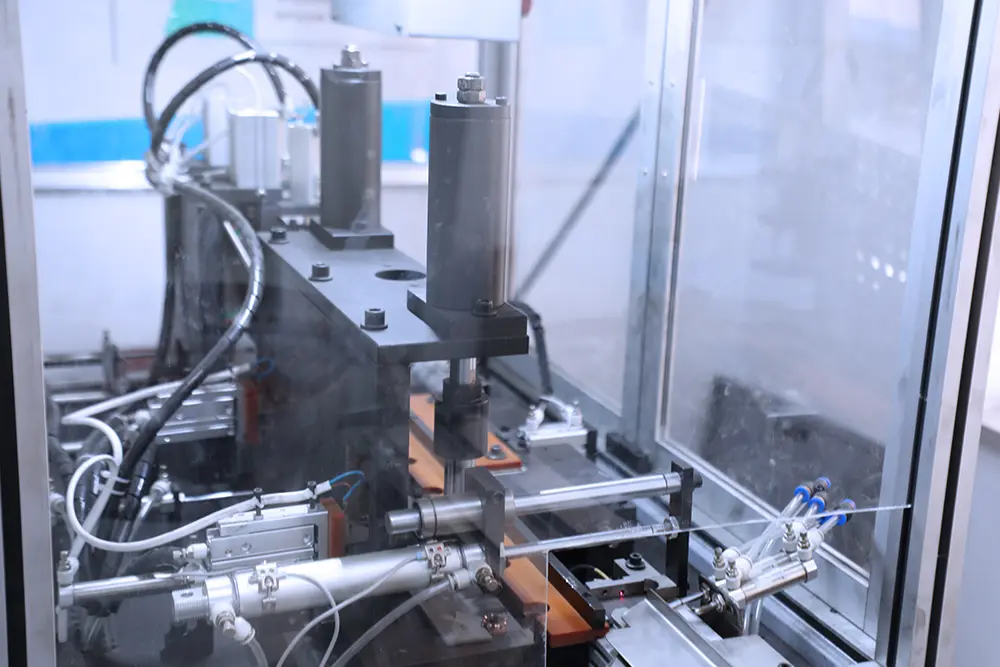
Pre-sintered carbon-graphite segments engineered for high mechanical shear strength and low friction.
Explore Specification
Complete precision-wound rotor assembly designed to drop directly into OEM fuel module housings.
Explore Specification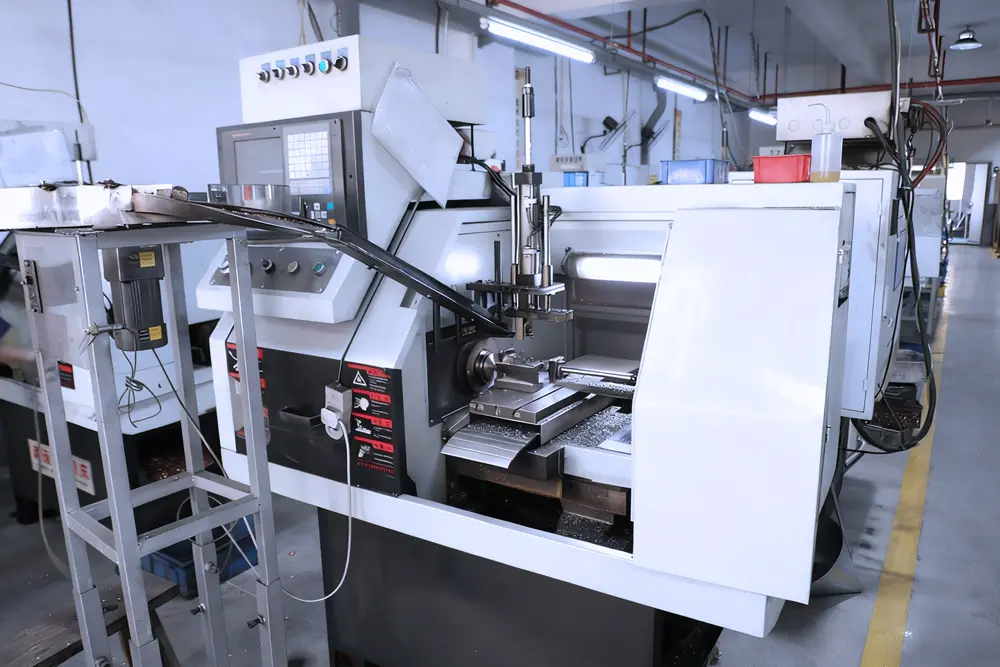
OEM-grade oxygen sensor built with dual protective sleeves to resist soot fouling and thermal shock.
Explore SpecificationDirect engineering answers addressing material formulation, electrical rectification, and custom manufacturing specifications.
Send your 2D/3D CAD drawings, material requirements, or OE part numbers to our engineering department. We confirm dimensional feasibility, recommend optimal carbon grades, and deliver initial prototypes within 15 days.