Direct from Wenzhou Hualeao Automotive Parts Co., Ltd. Explore our premier heated oxygen sensor configurations and high-performance fuel delivery assemblies engineered for immediate global dispatch.
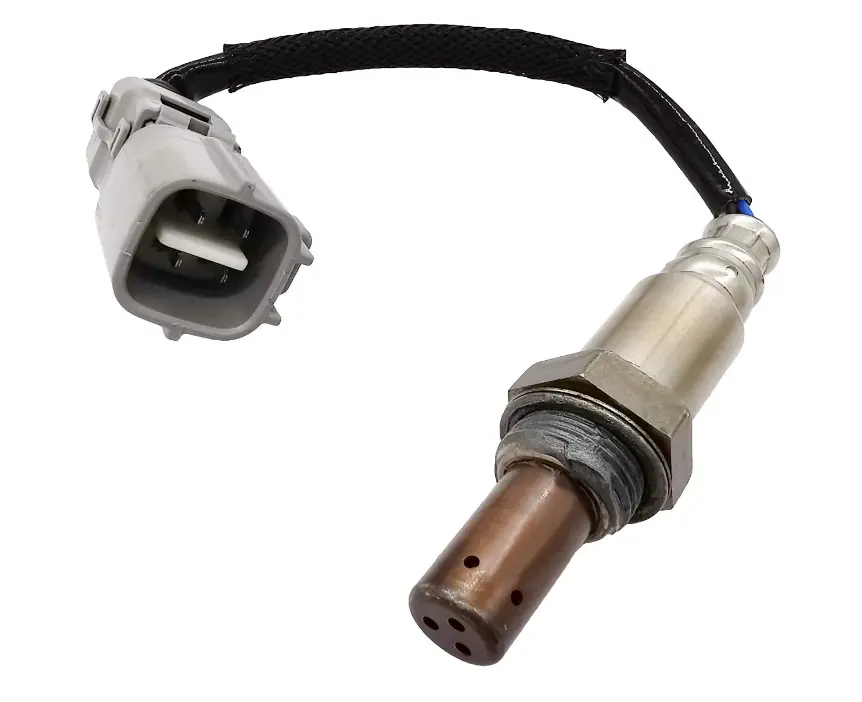
Planar zirconia lambda sensor featuring an integrated micro-ceramic heater, rapid 7-second thermal response, and anti-poisoning ceramic protection.
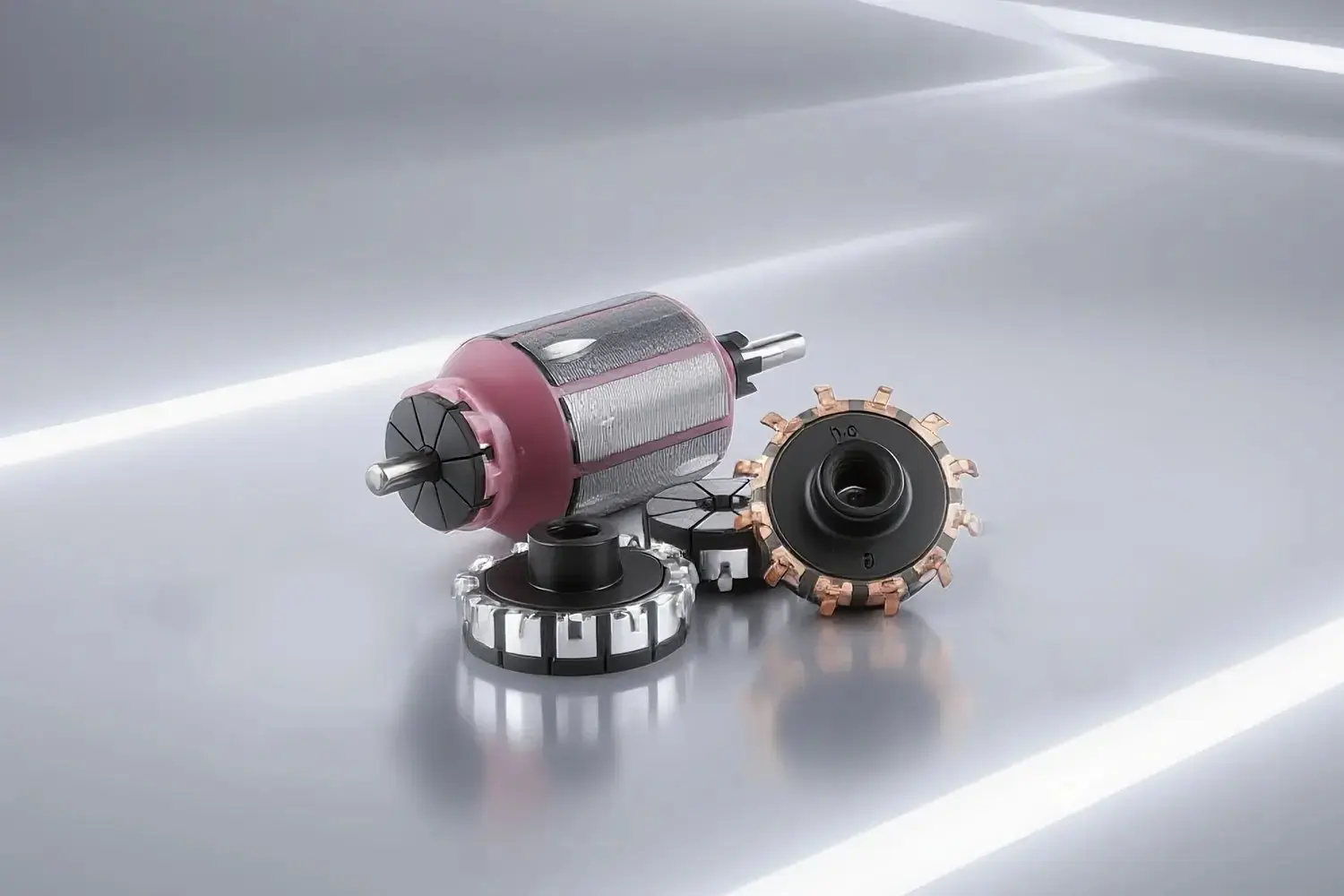
Engineered for upstream and downstream catalytic monitoring, featuring heavy-duty stainless steel protection tube and laser-welded hermetic sealing.
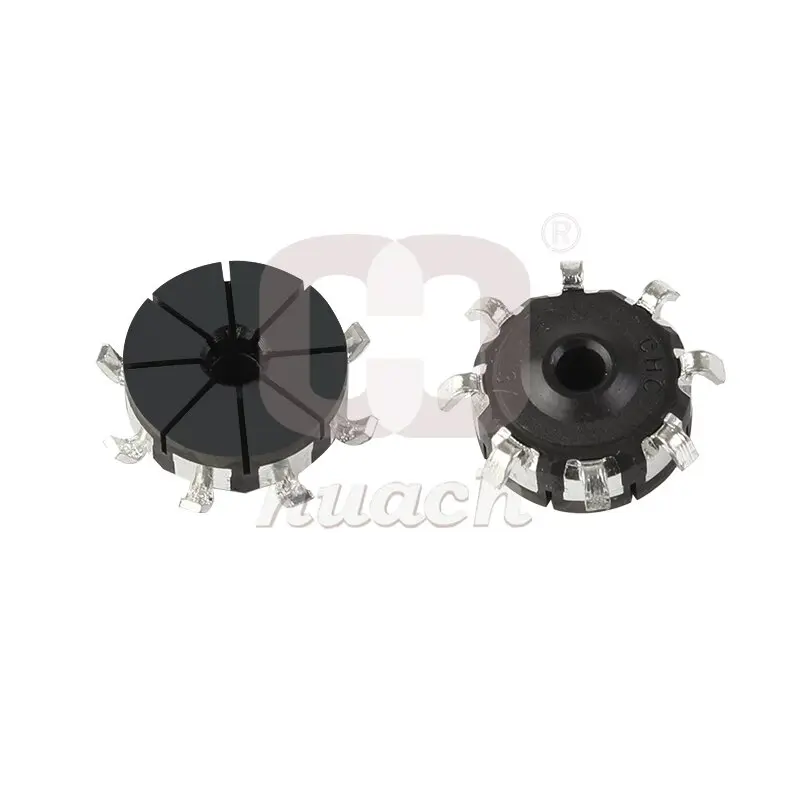
High-precision carbon-graphite commutator for submerged electric fuel pump armatures, offering unmatched resistance to ethanol corrosion and spark erosion.
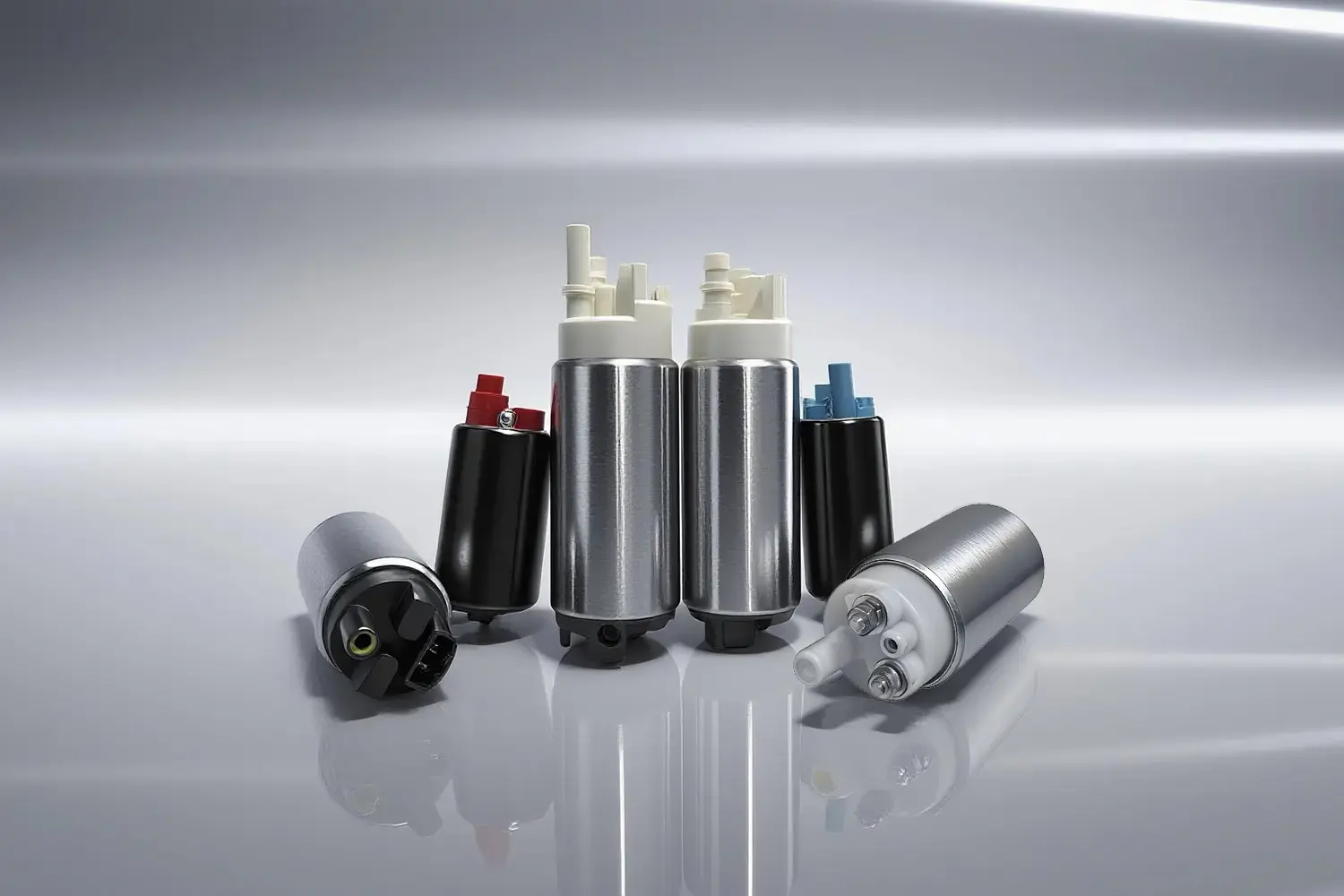
High-pressure automotive fuel pump assembly delivering steady flow rates with low electrical draw, tailored for advanced electronic fuel injection systems.
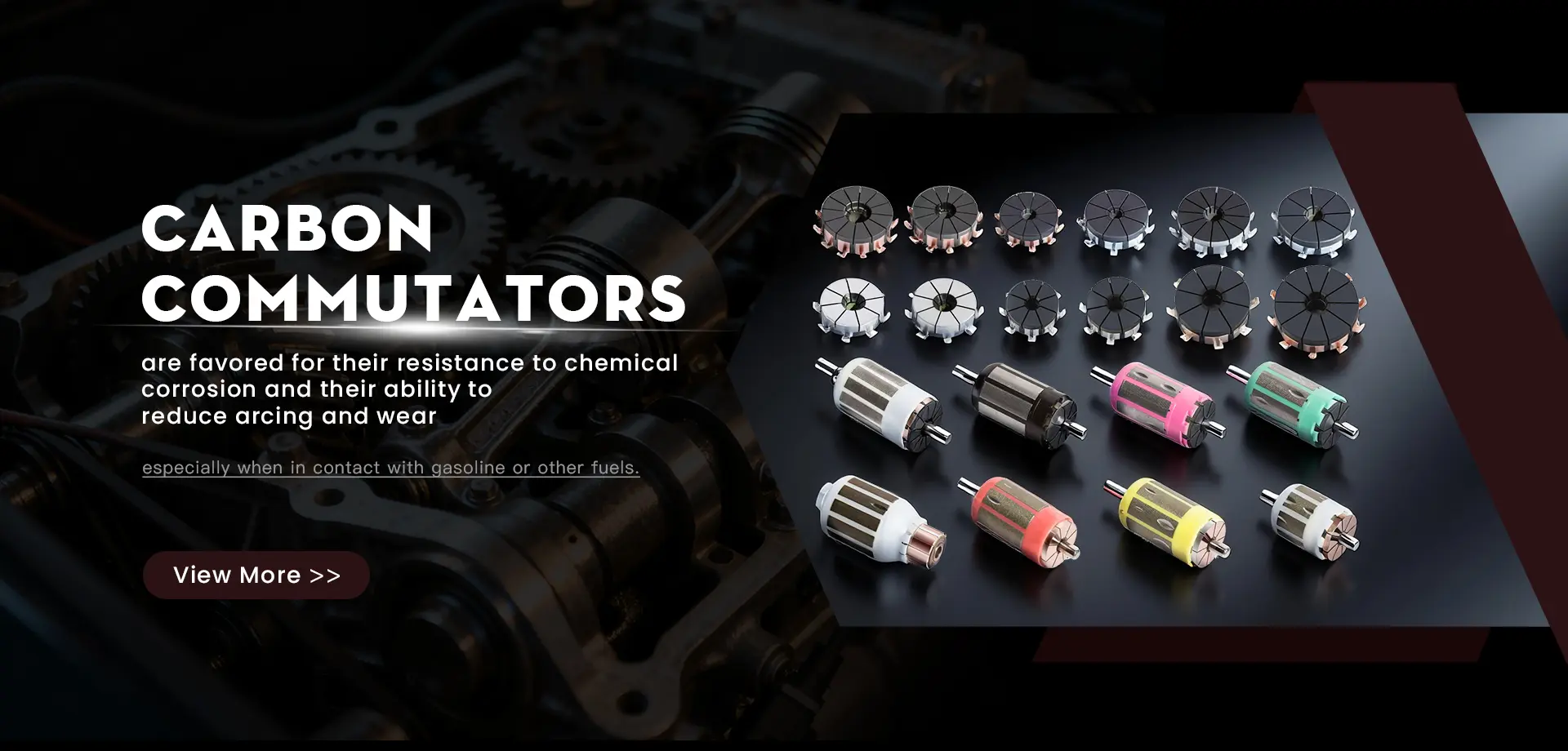
Proprietary sintered disc architecture built for ultra-compact micro-motors, delivering ultra-low electrical noise and smooth rotational torque.
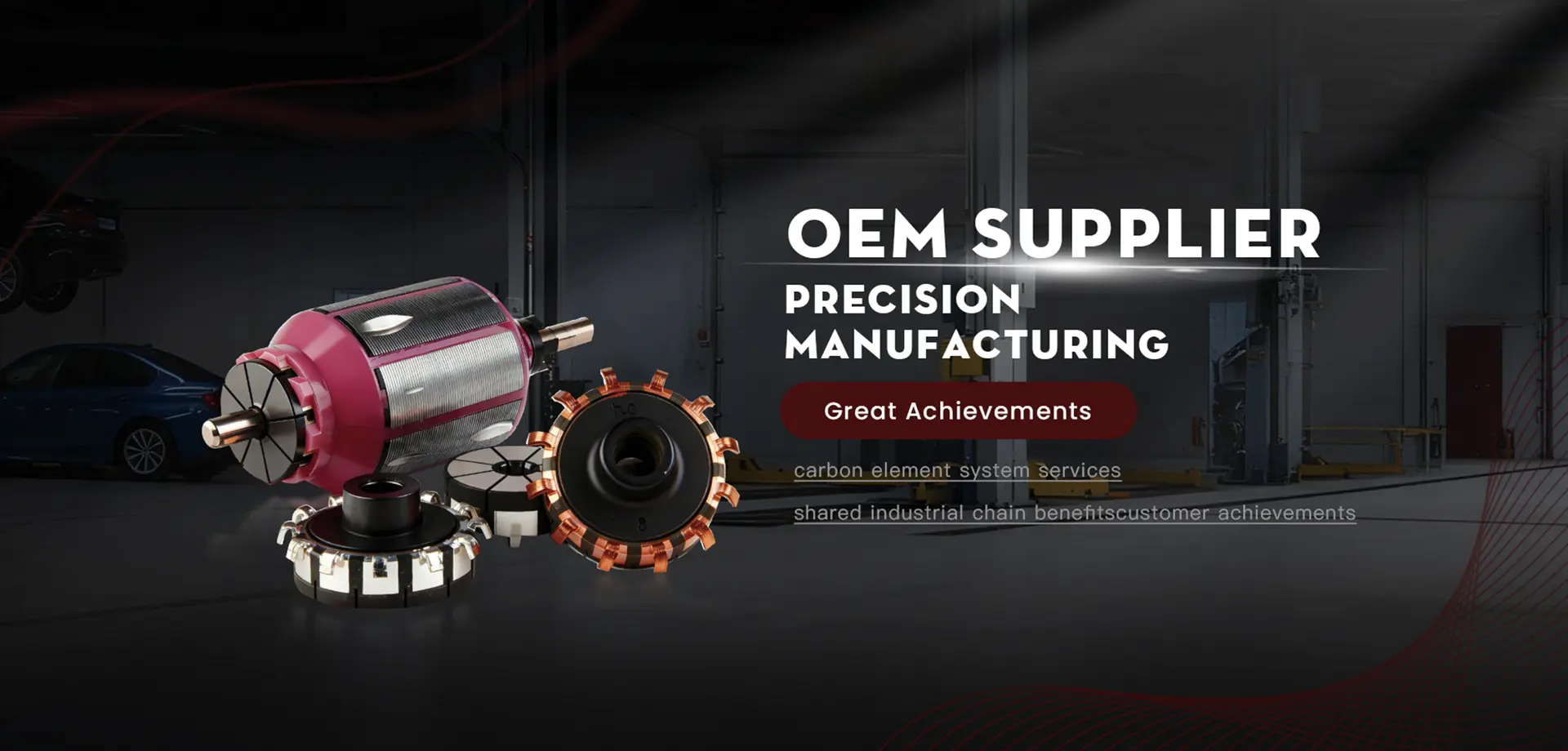
Reinforced armature motor core engineered for extreme vibrational loads in excavators, off-highway tractors, and industrial construction machinery.
Designed specifically to audit three-way catalytic converter efficiency under Euro 6d/7 and EPA Tier 4 standards with extreme thermal stability.
Tailored OEM manufacturing based on your blueprint specifications, accommodating unique segment geometry, groove depth, and shaft press tolerances.
How Heated Exhaust Gas Oxygen sensors underpin strict global emission standards and the modern decarbonization agenda across global ICE and hybrid powertrains.
The internal combustion engine and hybrid-electric vehicle (HEV) markets are undergoing unprecedented regulatory scrutiny. Stringent emissions regimes—such as Euro 7 in Europe, EPA Tier 4 / CARB LEV IV in North America, and China VI-b nationwide—have effectively eliminated the viability of legacy unheated oxygen sensors (EGO). Modern engine management systems depend on instantaneous closed-loop stoichiometric calibration, rendering the Heated Exhaust Gas Oxygen (HEGO) sensor an indispensable powertrain node.
In conventional configurations, an exhaust gas oxygen sensor must reach an activation temperature of at least 300°C to 350°C before the yttria-stabilized zirconia (YSZ) solid electrolyte becomes permeable to oxygen ions. Unheated sensors depended entirely on the thermal mass of the exhaust gas stream, causing a lag of 45 to 120 seconds during cold-start cycles—the precise window during which up to 75% of total unburned hydrocarbons (HC) and carbon monoxide (CO) emissions are released. HEGO sensors bridge this critical regulatory gap by integrating a dedicated ceramic resistance heating element inside the ceramic thimble or planar core, reducing light-off activation time to under 10 seconds.
The global HEGO sensor supply chain is valued at multi-billion-dollar volumes, driven by the replacement aftermarket, rapid OEM expansion in emerging manufacturing corridors, and the surging adoption of hybrid vehicles that cycle internal combustion engines repeatedly during operation. In hybrid propulsion, where the engine stops and restarts continuously in city traffic, the HEGO sensor’s heater must maintain optimal operating temperature without draining battery reserves, demanding world-class thermal efficiency and ceramic bonding reliability.
The science of the Nernst Concentration Cell, internal micro-heaters, and co-fired multilayer ceramic design that distinguishes premium HEGO sensors from entry-level alternatives.
The HEGO sensor operates on galvanic oxygen ion conduction across an Yttria-Stabilized Zirconia (YSZ) crystal lattice. When differential partial pressures of oxygen exist between the exhaust gas ($P_{O2, exh}$) and ambient reference air ($P_{O2, ref}$), mobile $O^{2-}$ ions migrate across the porous platinum catalytic electrodes, establishing an electromotive force described by the Nernst Equation: $E = \frac{RT}{4F} \ln \left(\frac{P_{O2, ref}}{P_{O2, exh}}\right)$. A steep voltage transition (0.1V lean to 0.9V rich) occurs abruptly at stoichiometric equilibrium ($\lambda = 1.00$).
Unlike earlier generation thimble sensors with separate ceramic heater rods, Hualeao's advanced HEGO architectures utilize High-Temperature Co-fired Ceramics (HTCC). Platinum heater traces are screen-printed directly into the green tape zirconia layer and sintered simultaneously at 1,500°C. This monolithic planar package slashes heater thermal resistance, achieving stable closed-loop lambda control within 7 seconds of engine ignition while consuming 40% less electrical power.
Modern internal combustion exhaust contains microscopic poisons: unburned fuel additives, lead, phosphorus from lubricating oil blow-by, and silicone from engine sealants. Hualeao applies a proprietary plasma-sprayed Magnesium-Aluminate Spinel ($MgAl_2O_4$) porous diffusion barrier over the outer platinum electrode. This ceramic shield repels heavy metal particulates while permitting clean gas diffusion, guaranteeing sensor linearity beyond 160,000 km.
Thermal cycling between ambient -40°C and exhaust peaks of 950°C poses catastrophic delamination risks for lesser sensors. We utilize precision 360-degree multi-track laser welding to bond the dual-layered stainless steel shell (SUS310S/304). The lead wire harness is sealed with high-grade fluororubber grommets and PTFE breathing tubes, allowing pure reference air diffusion into the inner chamber while preventing road spray, salt mist, and oil ingress.
A closed-loop Electronic Fuel Injection (EFI) system operates as an unbroken cybernetic chain. The HEGO sensor serves as the system's "retina"—detecting millivolt-level chemical changes in the exhaust gas—while the electric fuel pump functions as the "heart," delivering atomized fuel precisely when directed by the Electronic Control Unit (ECU).
In today's global market, where fuels contain up to 85% ethanol (E85) or 15% methanol (M15), traditional copper commutators in fuel pumps rapidly corrode and wear out due to alcohol-induced electrochemical erosion. When fuel delivery fluctuates because of a compromised commutator, the ECU attempts to overcompensate via fuel trim, causing erroneous HEGO sensor error codes, severe catalytic overheating, and elevated emissions.
As an energy-saving project manufacturer under China's 11th Five-Year Plan, Wenzhou Hualeao Automotive Parts Co., Ltd. produces matched-performance carbon (graphite) commutators and HEGO oxygen sensors. This holistic component synergy delivers stable fuel line pressure and instantaneous lambda correction across millions of combustion duty cycles.

From flexible-fuel passenger cars to high-dust mining machinery and corrosive marine atmospheres, explore how Hualeao's HEGO sensors and pump assemblies perform in specialized operational environments.
For modern stop-start turbocharged gasoline direct injection (GDI) and plug-in hybrid electric vehicles (PHEVs), our HEGO sensors deliver rapid restart light-off times (< 7 sec). They integrate seamlessly into OBD-II systems, continually monitoring catalytic light-off efficiency and ensuring compliance with stringent fleet average emissions targets.
Excavators, wheel loaders, and mining haulers operate in high-vibration, high-soot, and high-heat duty cycles. Hualeao reinforces the inner ceramic element mounting using high-density sintered ceramic anchors and dual-louver stainless protective shields that withstand intense vibrational G-forces without cracking.
Motorcycle EFI applications require compact footprint packaging and high-frequency closed-loop adaptation capable of handling exhaust pulsations up to 14,000 RPM. Our miniaturized M12 and M18 planar heated sensors provide quick thermal recovery even in exposed unshielded exhaust headers.
Salt spray, high atmospheric humidity, and raw sea water injection into marine wet exhausts demand exceptional sensor metallurgy. Hualeao utilizes 316L and 310S marine-grade austenitic stainless housings paired with hermetic glass-to-metal seals that prevent salt mist corrosion from entering the reference air chamber.
Industrial combined heat and power (CHP) generators, CNG/LPG prime movers, and hydrogen-enriched biogas engines require extended continuous monitoring without baseline sensor drift. Our enhanced planar YSZ formulation maintains high chemical stability over thousands of continuous operating hours.
A closed-loop quality control ecosystem encompassing raw material spectrometry, automated sintering, robotic assembly, and 100% full-load electrical and gas bench testing.
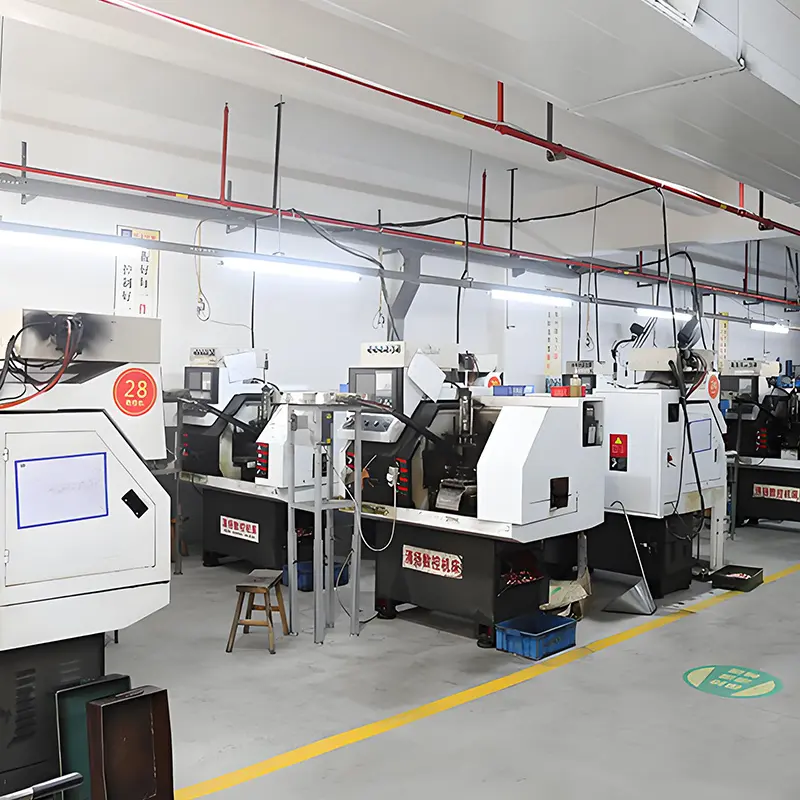
Every HEGO sensor and carbon commutator leaving our Lianjiang Industrial Park facility is subjected to rigorous quality gates. Our inspection line tests 100% of manufactured units across critical parameters:
Strategic technology developments guiding our ceramic formulations, sensor intelligence, and zero-carbon fuel compatibility over the next decade.
Optimizing micro-heater architectures to reach 350°C activation within 4.5 seconds. By applying nano-composite platinum-tungsten resistive paths, we aim to eliminate virtually all cold-start unburned hydrocarbons, meeting the strictest Euro 7 limits.
Migrating from raw analog millivolt outputs to smart onboard microprocessors. Integrated ASICs inside the sensor connector convert lambda signals into high-speed digital messages, enhancing signal-to-noise immunity against electromagnetic interference.
Combustion of pure hydrogen ($H_2$) and carbon-neutral synthetic e-fuels generates higher exhaust moisture and varied gas dynamics. Our R&D teams are formulating dense nano-ceramic membranes that resist water droplet micro-cracking while maintaining accurate lambda calculation.
Engineered to mitigate geopolitical supply vulnerabilities, provide custom drawing turnarounds, and ensure batch consistency for international automotive parts distributors and assembly plants.
Global disruptions have proven that over-reliance on single-source Tier-1 conglomerates creates critical supply bottlenecks. Wenzhou Hualeao maintains extensive raw graphite and high-purity zirconia safety stocks, ensuring uninterrupted volume supply during global allocation squeezes.
Equipped with in-house CNC wire-EDM tooling, ceramic sintering presses, and precision assembly lines, our engineering team converts customer CAD drawings or OE physical samples into verified functional prototypes in as little as 14 business days.
We provide full white-label and customized box packaging, barcode labeling, laser-etched part serial numbers, and custom lead-wire harness lengths for major aftermarket brands and automotive retail distribution chains worldwide.
In-depth technical answers addressing component design, failure mechanisms, installation best practices, and commercial sourcing criteria.
An unheated EGO sensor relies entirely on the sensible heat of engine exhaust gases to achieve its minimum 300°C ionic conductive threshold, delaying closed-loop operation for up to two minutes during cold starts. A HEGO sensor contains an internal, high-efficiency ceramic resistance heater (typically 12V, 12W to 18W) that elevates the zirconia element to operating temperature within 7 to 10 seconds, drastically curbing cold-start hydrocarbons and carbon monoxide emissions.
A HEGO sensor is a narrow-band "switching" sensor generating a sharp voltage jump (0.1V to 0.9V) right at stoichiometric balance ($\lambda = 1.00$). A Universal Exhaust Gas Oxygen (UEGO) sensor, or wideband lambda probe, incorporates an electrochemical oxygen pumping cell that measures continuous air-fuel ratios across lean and rich regimes ($\lambda = 0.65$ to air). HEGO sensors are extensively utilized as upstream sensors in cost-sensitive platforms and downstream catalytic monitors across all OBD-II architectures.
Standard electric fuel pumps submerge the motor armature directly into fuel for cooling and lubrication. In ethanol-blended gasolines (E10, E85) and methanol mixtures (M15), copper commutators undergo severe electrochemical galvanic corrosion and rapid spark-induced erosion. Carbon-graphite matrix commutators are chemically inert to alcohols, eliminating segment degradation and prolonging pump life by over 300%.
The top failure mechanisms include: (1) Silicone & Phosphorus Poisoning: Silicates from improper RTV gaskets or phosphorus from oil blow-by glaze over the porous platinum coating; (2) Heater Circuit Open-Circuit: Internal burnout caused by over-voltage spikes or water splash thermal shock; and (3) Soot & Carbon Clogging: Chronic rich running blocking the diffusion slots in the stainless protective cap.
Yes. Our engineering division in Ruian, Wenzhou works regularly from customer CAD drawings, 3D STEP files, physical benchmark samples, and OE part numbers. We can adjust hex dimensions, thread pitches (M18x1.5, M12x1.25), lead-wire harness lengths, water-resistant connector terminations, and ceramic heater wattages to match your exact platform requirements.
We maintain an IATF 16949-aligned closed-loop quality management system. All raw materials—from high-purity zirconia powders and platinum inks to graphite-copper blanks—undergo incoming spectrographic analysis. In-process statistical process control (SPC) monitors ceramic firing profiles, and automated test benches verify 100% of finished sensors for switching speed and heater continuity prior to packaging.
Review our extended portfolio of OEM-replacement lambda probes, submerged fuel pump motors, and corrosion-resistant graphite commutators engineered for demanding duty cycles.
Precision calibrated replacement for popular passenger platforms, offering factory harness connectors for plug-and-play installation without wire splicing.
Engineered for instantaneous feedback before the catalytic converter, optimizing fuel trims and protecting against engine misfire conditions.
Formulated with high-density graphite segments that will not pit, delaminate, or corrode when submerged in pure alcohol or flex-fuel blends.
Features a dynamic turbine impeller design paired with our carbon commutator motor, delivering whisper-quiet fuel delivery and zero vapor lock.
Engineered for lightweight motorcycle and powersports pump armatures operating at speeds exceeding 10,000 RPM with minimal brush friction.
Specially electroplated steel housing and salt-tolerant internal windings designed for marine inboard and outboard recreational vessels.
Supplied with weatherproof heat-shrink crimp connectors for rapid garage servicing across hundreds of vehicle makes and models.
Benchmarked against leading German and Japanese brands for baseline stability, thermal ramp rate, and resistance to electrochemical drift.
Recognized national energy-saving and emission-reduction project enterprise under China's 11th Five-Year Plan. Specializing in the engineering, automated manufacturing, and global export of advanced heated exhaust gas oxygen (HEGO) sensors, ethanol-resistant carbon-graphite commutators, and high-pressure electric fuel pumps.
Facility Address: Building 5, Lianjiang Industrial Park, Pantai Street, Ruian City, Wenzhou, Zhejiang Province, China
Direct Telephone: +86-0577-66811811
WhatsApp Technical Desk: +86 15067763878
Engineering Email: [email protected]
Access our dedicated product databases, technical service profiles, and application white papers directly: