Manufactured under strict ISO-grade process controls in our Ruian, Wenzhou production hub. Explore our flagship oxygen sensors, precision carbon commutators, and electronic fuel delivery modules.
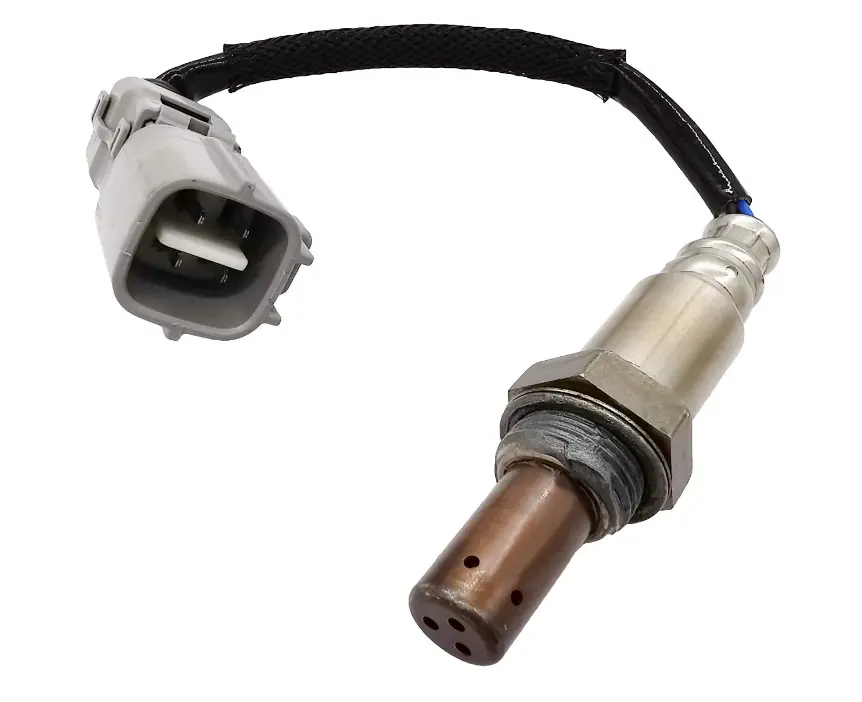
Direct OE replacement lambda sensor featuring fast light-off ceramic heaters and thermal-shock resistant diffusion barriers.
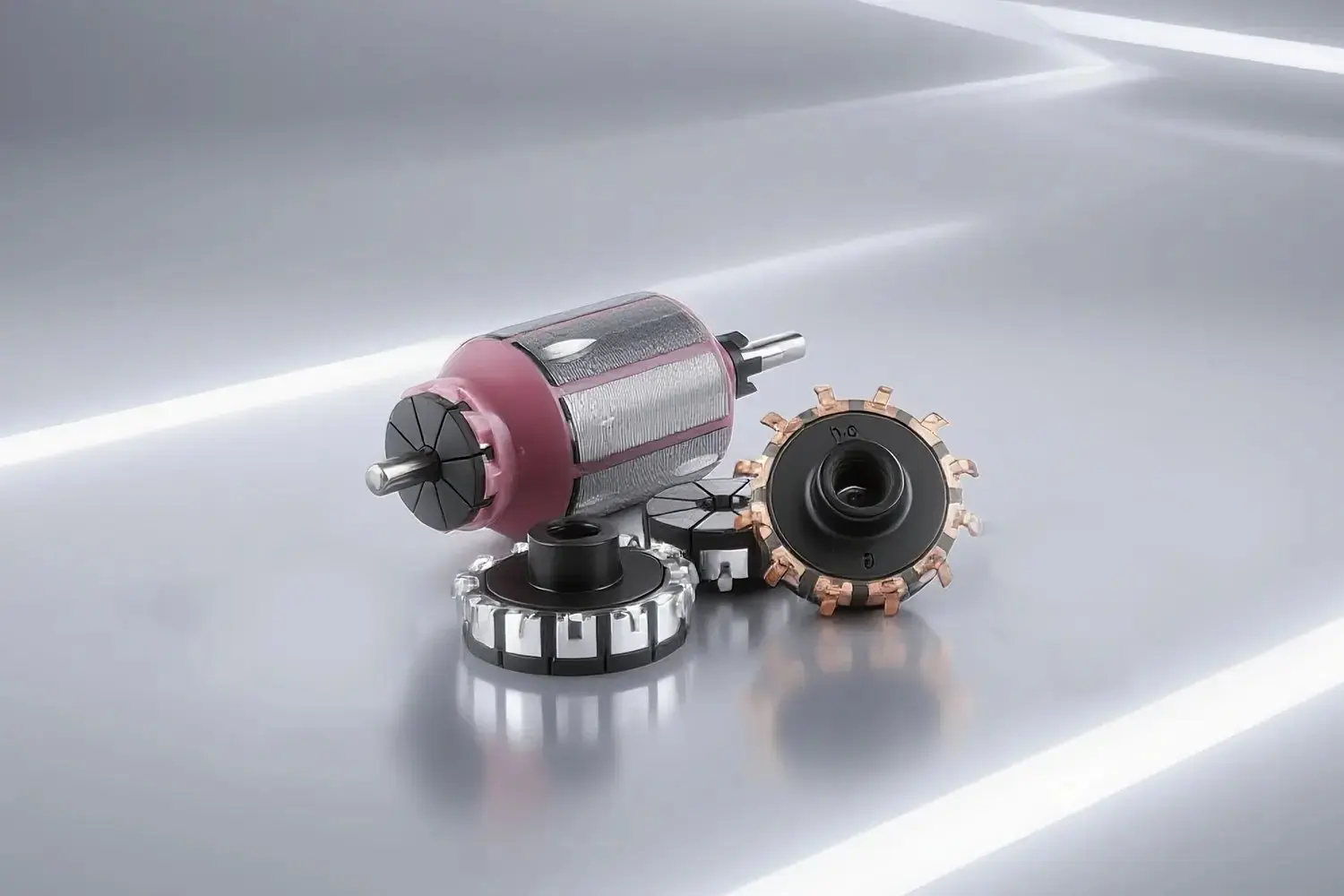
Corrosion-immune carbon commutators engineered for high-alcohol ethanol (E85/E100) and methanol blends in EFI pumps.
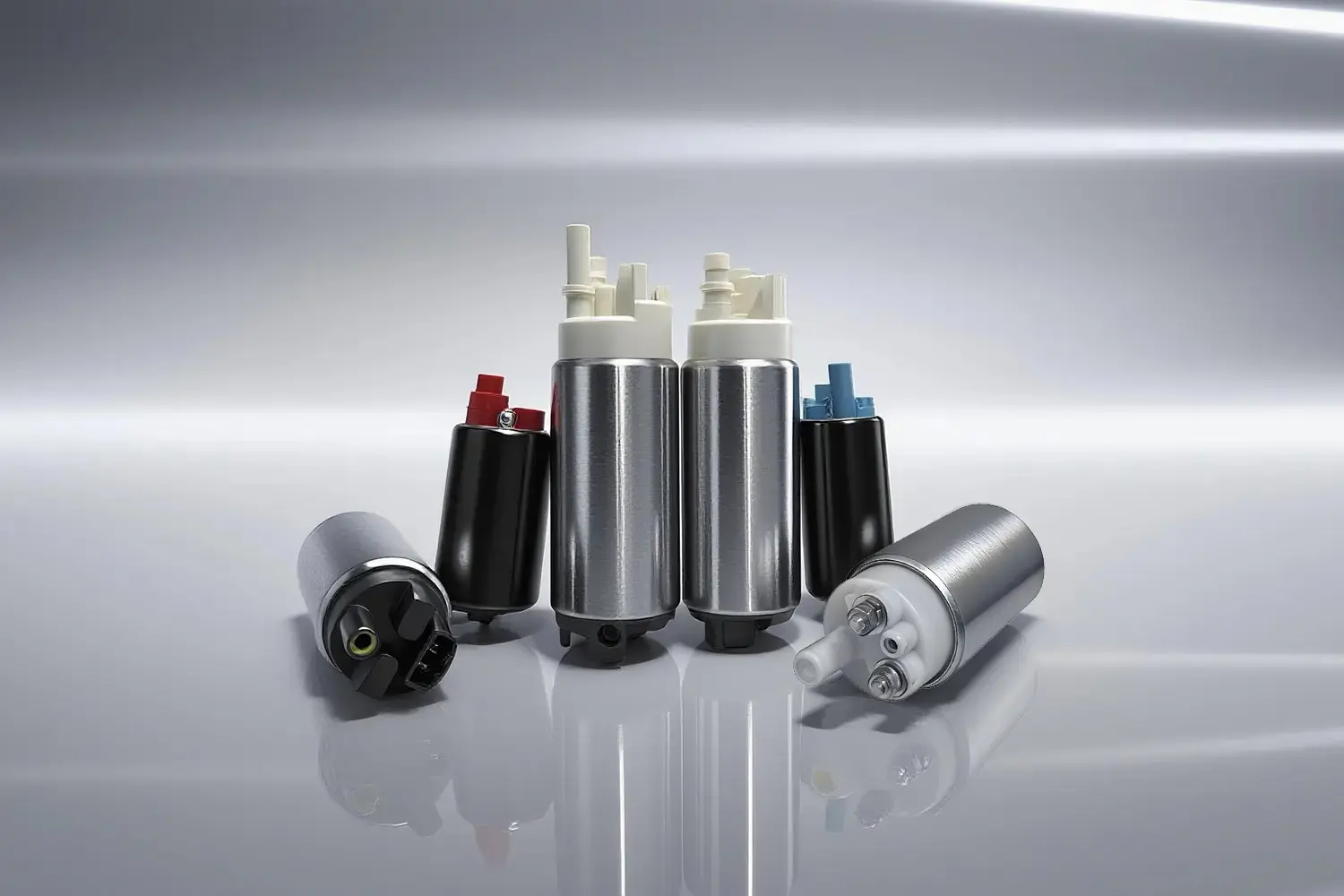
Dynamic-balanced turbine armature with integrated carbon commutator, ensuring continuous pressure delivery and whisper-quiet running.
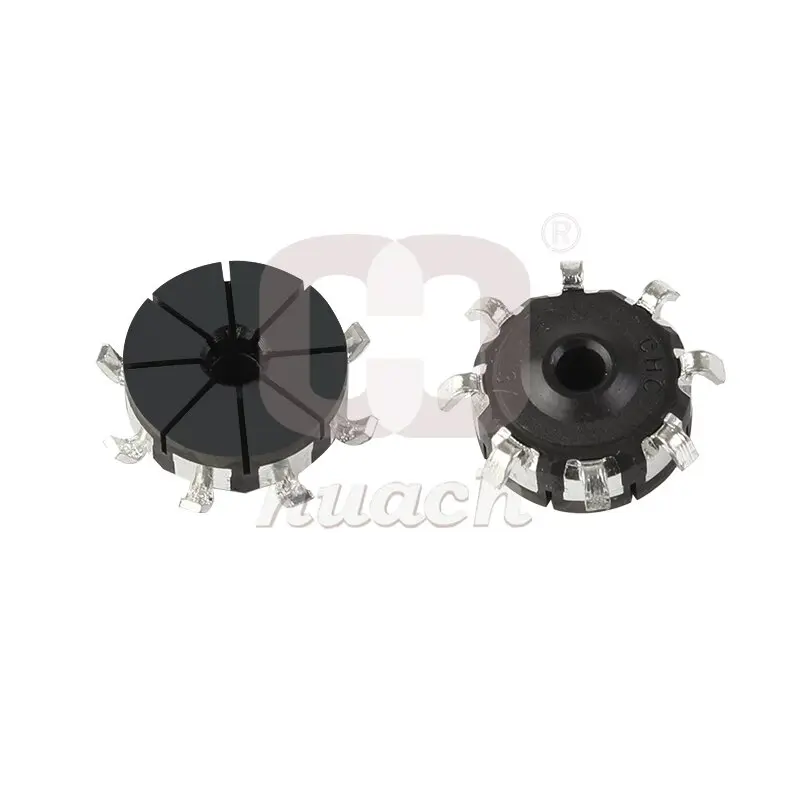
Our top-selling graphite disc commutator optimized for OEM armature assembly lines and global aftermarket rebuilders.
Dual-cell planar sensor designed for linear air-fuel ratio measurement across lean, stoichiometric, and rich operating windows.
Ruggedized motor casing and anti-cavitation impeller designed for off-highway construction machinery, loaders, and excavators.
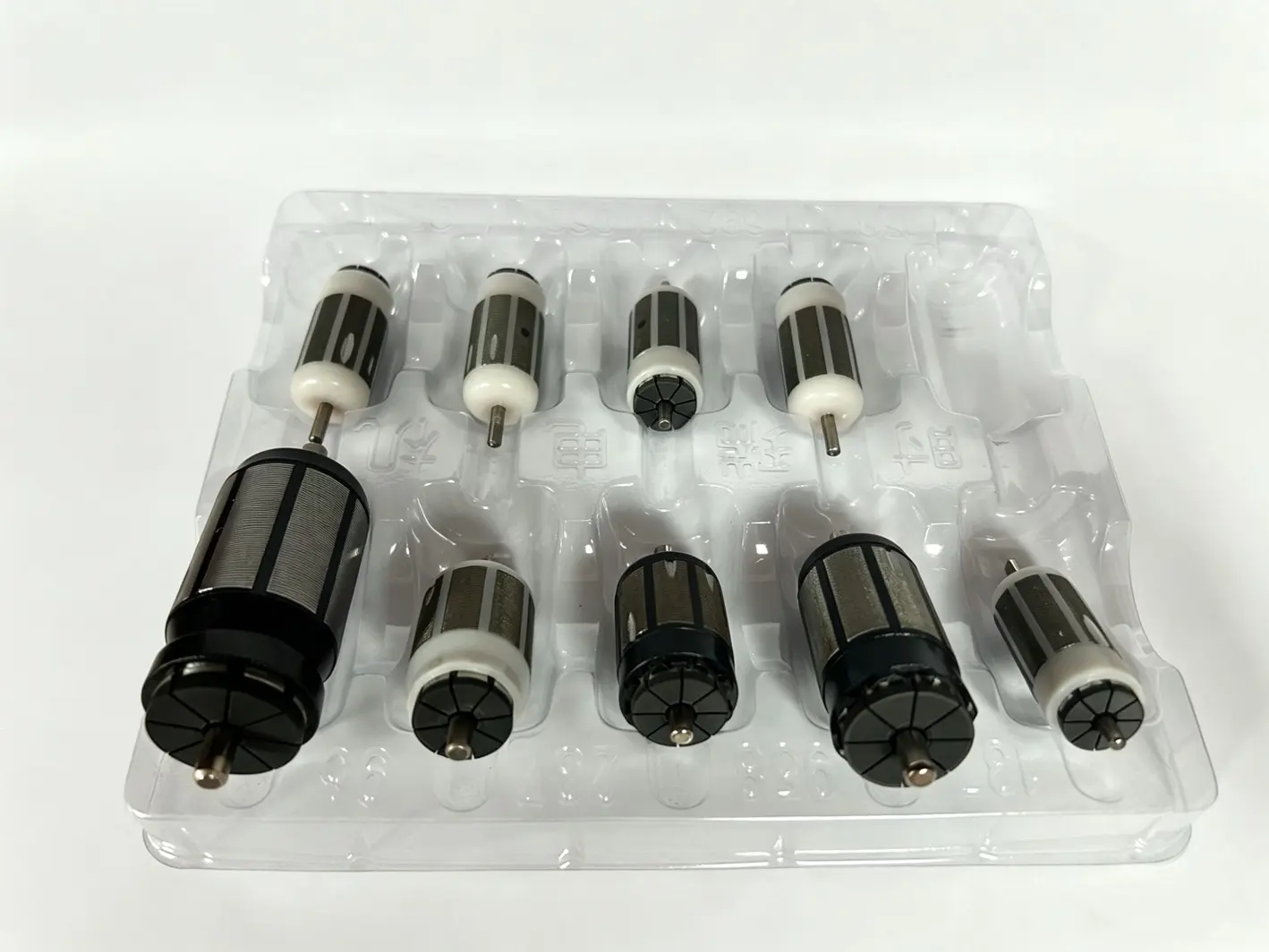
Armature assembly featuring precision copper winding, high-dielectric epoxy slot insulation, and an integrated graphite disc commutator.
Catalytic converter efficiency monitoring sensor with laser-welded stainless steel protective thimble and anti-poisoning washcoat.
How Euro 7, EPA Tier 4 Final, and China VI b emissions regulations have shifted the worldwide oxygen sensor supply chain toward advanced ceramic chemistry and wideband closed-loop precision.
The global internal combustion powertrain domain is undergoing its most stringent regulatory evolution in history. The deployment of Euro 6e/Euro 7 in Europe, EPA Tier 3/Tier 4 and CARB LEV IV in the Americas, along with China VI b mandates worldwide, has transformed the role of the exhaust gas oxygen (EGO/HEGO) sensor from a simple catalytic protection mechanism into a hyper-critical closed-loop combustion regulator.
Modern Engine Control Units (ECUs) calculate fuel trims within millisecond cycles. If an oxygen sensor experiences output signal attenuation, thermal drift, or response lag exceeding 100 milliseconds, downstream tailpipe emissions spike exponentially. This leads to immediate Diagnostic Trouble Codes (e.g., P0130 through P0167) and premature destruction of costly three-way catalytic converters (TWC) or Selective Catalytic Reduction (SCR) substrates.
Historically, the global automotive aftermarket relied heavily on traditional thimble-type zirconia sensors. However, worldwide commercial demand has decisively swung toward multi-layer planar ceramic technology. Planar architectures integrate the ceramic heater element directly into the zirconia substrate via tape-casting and high-temperature co-firing (HTCC) at temperatures surpassing 1,450°C.
Wenzhou Hualeao Automotive Parts Co., Ltd. has developed high-density, automated co-fired ceramic lines that reduce sensor "light-off" time from 25–30 seconds down to under 8 seconds. This rapid activation is vital for eliminating up to 70% of cold-start raw hydrocarbon (HC) and carbon monoxide (CO) spikes, empowering global distributor partners and OEM pump-and-sensor integrators to maintain continuous compliance without burdensome warranty liabilities.
A rigorous examination of electrochemical ion conduction, YSZ ceramic crystal lattices, and micro-diffusion kinetics within modern lambda systems.
Yttria-Stabilized Zirconia (YSZ) acts as a solid-state electrolyte. At temperatures above 350°C, the ceramic lattice facilitates the mobility of oxygen ions (O²⁻). By maintaining atmospheric reference air inside the core and exposing the outer platinum electrode to raw exhaust gases, an electrochemical potential difference is generated strictly in accordance with the Nernst Equation:
This generates an abrupt, binary step voltage between 0.1V (lean condition, high residual O2) and 0.9V (rich condition, depleted O2), providing the ECU with instant threshold feedback for stoichiometric equilibrium (λ = 1.0).
Unlike switching sensors, Universal Exhaust Gas Oxygen (UEGO) sensors implement a dual-cell structure consisting of a Nernstian detection cell and an electrochemical oxygen pumping cell, separated by a microscopic diffusion gap. An internal control circuit drives a variable pumping current (Ip) to pump oxygen ions into or out of the measurement cavity.
By measuring the precise direction and magnitude of Ip needed to hold the cavity at λ = 1.0, the ECU derives a seamless, linear analog measurement of the air-fuel ratio from λ = 0.65 to atmospheric air, facilitating continuous closed-loop control in turbocharged GDI and hybrid engines.
Automotive exhaust streams carry vaporized engine lubricants, unburned fuel fractions, and additive residues containing lead, phosphorus, and silicon. Silicon vapors bond irreversibly to standard platinum micro-porous electrodes, causing sensor "silica poisoning" and voltage freezing.
Hualeao's oxygen sensor thimbles incorporate a specialized dual-layer plasma-sprayed ceramic protective coating (spinel-type magnesium aluminate) over the outer platinum catalytic electrode. This porous barrier prevents particulate poisoning and mechanical abrasion while maintaining rapid ionic diffusion rates.
Anticipating structural automotive and industrial transformations through next-generation sensor metallurgy and AI-assisted fuel management.
High-concentration ethanol and methanol combust into corrosive exhaust streams featuring elevated levels of formaldehyde, formic acid, and moisture vapor. We formulate specialized nickel-chromium alloy shells and stainless-steel terminal contacts to prevent intergranular stress corrosion cracking (IGSCC).
Hydrogen-fueled internal combustion engines produce exhaust gas containing ultra-high water vapor partial pressure and trace NOx without conventional CO/HC hydrocarbons. Hualeao's R&D team is developing specialized modified-zirconia compounds optimized for selective H2/O2 differential measurement.
Integration of digital CAN-bus and LIN-bus microcontroller modules directly into the sensor harness connector. Edge computing tracks internal ceramic resistance, heater degradation slopes, and aging characteristics, transmitting predictive maintenance data to telematics gateways.
Exhaust systems operate under wildly divergent environmental realities. See how Hualeao's oxygen sensors and paired fuel delivery components are architected for discrete operating conditions.
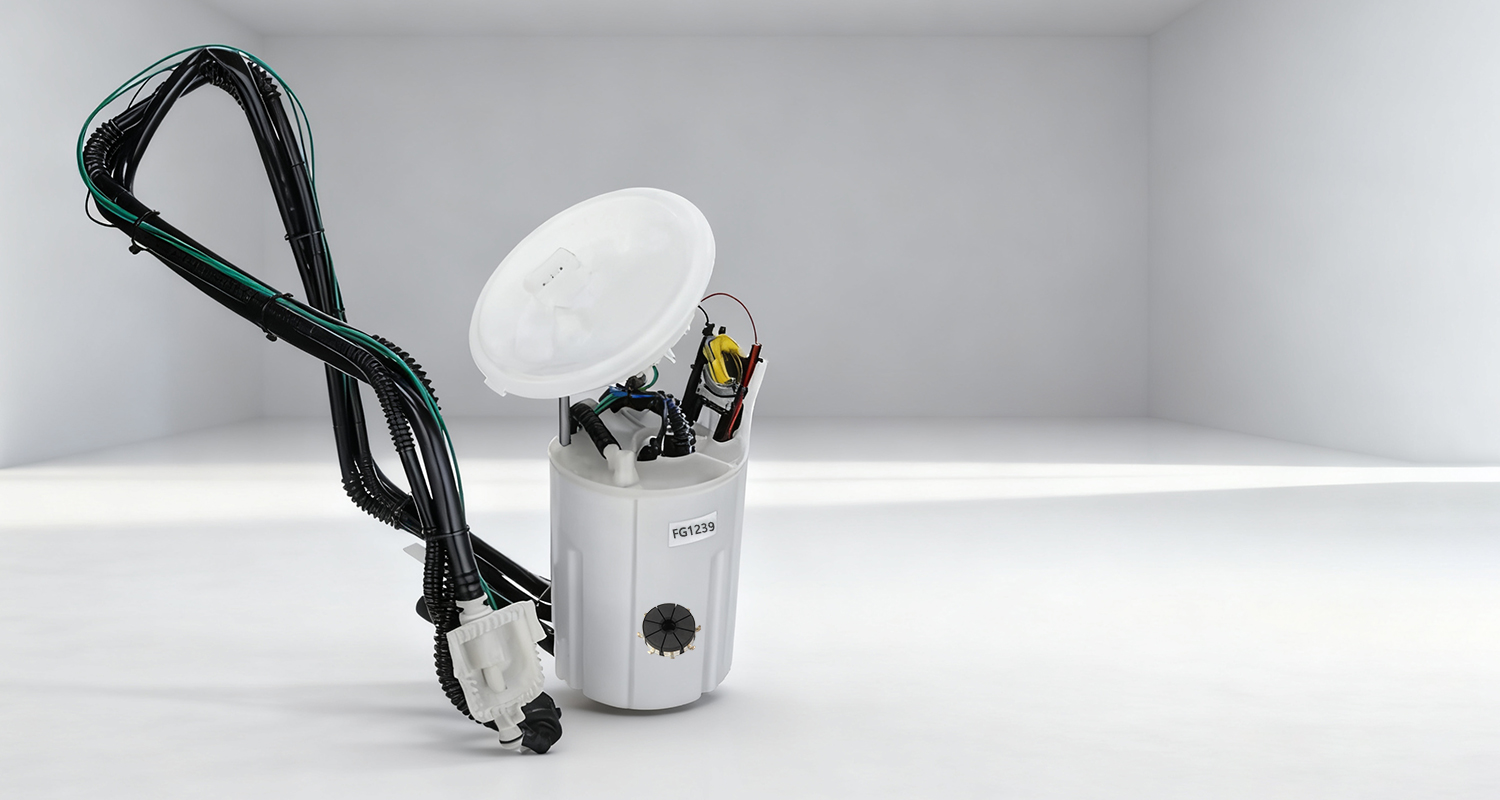
Engineered for high-volume urban stop-and-go cycles, sudden acceleration transients, and diverse commercial pump fuels. Built with internal PTC heaters that reach operational activation temperature in under 8 seconds to minimize cold-start emissions.
Explore Automotive O2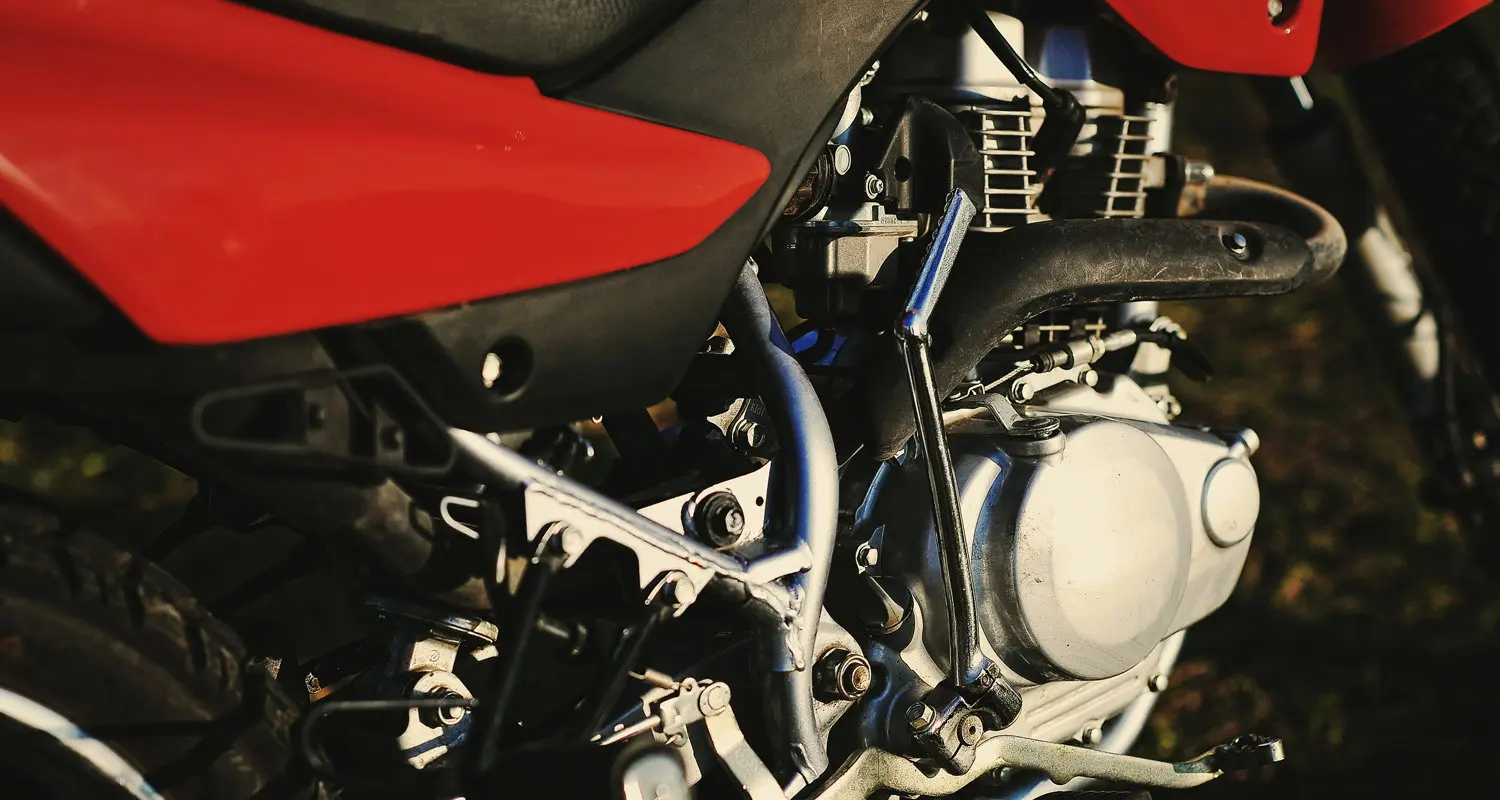
High-revving motorcycle engines subject sensors to rapid thermal fluctuations, extreme exhaust pulsation, and high physical vibration. Our compact M12/M18 sensor configurations combine lightweight builds with mechanical fatigue protection.
Explore Powersports
Excavators, bulldozers, and heavy diesel equipment operate in severe particulate dust and sustained high engine loads. Heavy-duty protective shields and anti-clogging sintered filters ensure dependable lambda feedback in rough field environments.
Explore Off-Highway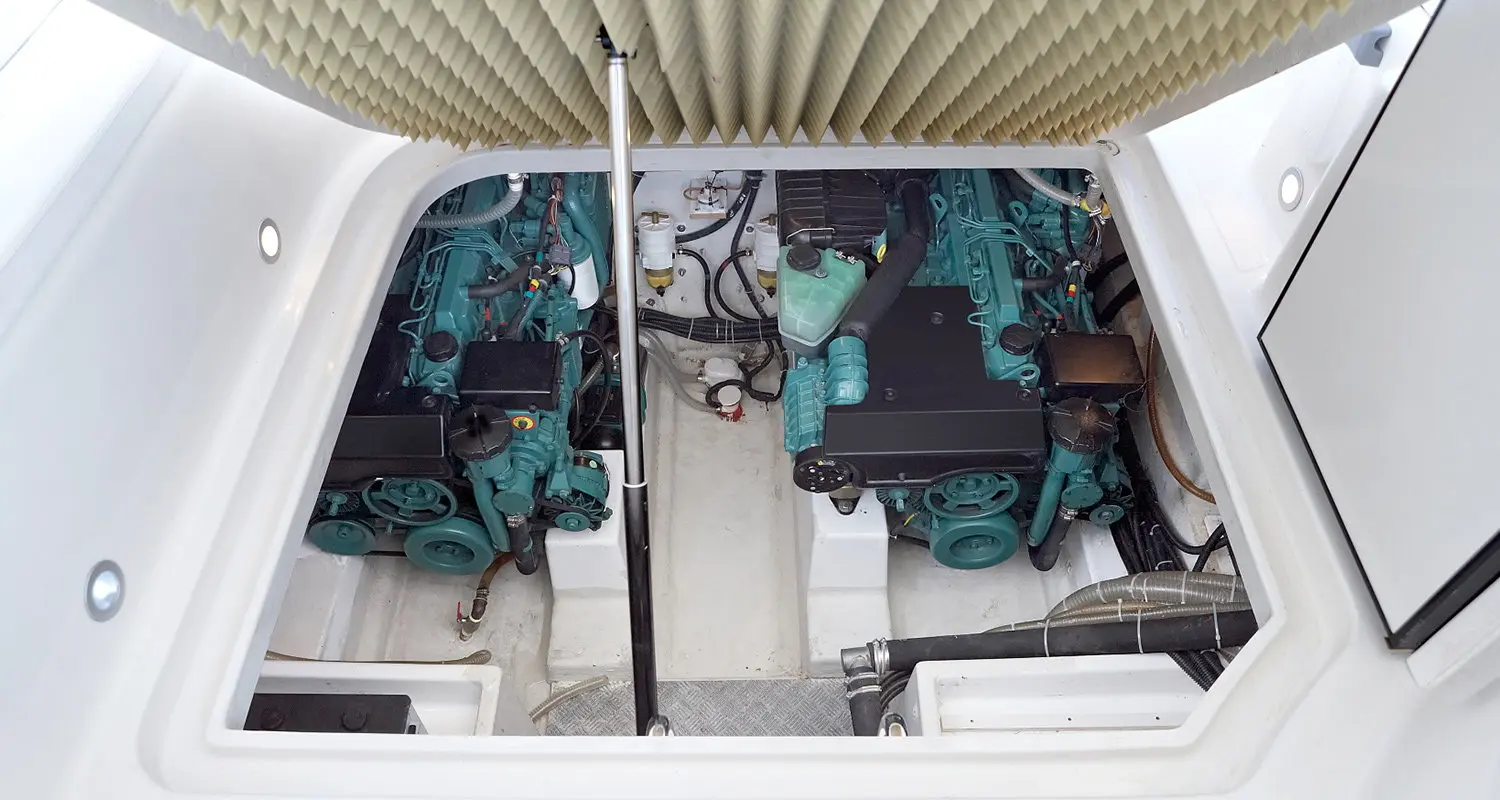
Constant exposure to coastal salt spray, moisture condensation, and wet exhaust risers corrodes conventional sensor housings. Hualeao utilizes marine-grade stainless-steel shells (AISI 316L) and sealed fluoropolymer wire sleeves.
Explore Marine SolutionsHow Wenzhou Hualeao Automotive Parts Co., Ltd. eliminates batch variance and secures import-grade consistency.
Every batch of zirconia powder, platinum ink, and high-purity copper-graphite composite undergo strict spectrographic and laser-diffraction particle size analyses to ensure defect-free sintering and structural density.
Cleanroom-class screen printing of internal electrode circuits, followed by high-temperature vacuum sintering at 1,450°C and automated automated laser welding of sensor protective thimbles to prevent gas bypass leaks.
Every individual sensor is subjected to synthetic exhaust gas test benches simulating real-world lean-to-rich gas transitions. We record response kinetics, internal heater resistance, and Nernst voltage thresholds.
Sensors and paired electric fuel pumps pass automated helium leak detection, multi-axis harmonic vibration tests, and salt spray exposure testing up to 240 hours to guarantee harsh-weather survivability.
Essential answers for automotive purchasing directors, engine management developers, and supply-chain professionals.
The oxygen sensor is the primary feedback mechanism for the Engine Control Unit (ECU) closed-loop fuel metering. While the electric fuel pump maintains target hydraulic rail pressure across the injectors, the O2 sensor measures whether that delivered fuel volume results in complete combustion (λ = 1.0). If the sensor detects excess oxygen (lean), the ECU increases the injector pulse width (Short-Term Fuel Trim, STFT). If a degraded fuel pump cannot supply sufficient volume or pressure due to commutator wear, the oxygen sensor flags a lean condition (e.g., P0171), highlighting the close functional relationship between fuel pumps, commutators, and lambda sensors.
A narrow-band zirconia sensor acts as a binary switch that fluctuates between 0.1V and 0.9V right at the stoichiometric point (14.7:1 air-fuel ratio by weight for gasoline). It cannot inform the ECU exactly *how lean* or *how rich* the mixture is outside this sharp threshold. A wideband (UEGO) sensor incorporates both an electrochemical sensing cell and an oxygen pumping cell. By measuring the pumping current required to maintain equilibrium inside a diffusion gap, it outputs a proportional signal across the entire operating spectrum (λ = 0.65 to atmospheric air), enabling precise air-fuel management across all engine load stages.
Submerged electric fuel pumps run bathed in the fuel they deliver. When vehicles use ethanol-blended or methanol-blended fuels (such as E10, E85, or M15), copper commutators undergo rapid ionic corrosion, surface pitting, and mechanical spark erosion. This leads to premature brush failure, motor stalling, and fuel pressure collapse. Carbon-graphite commutators are chemically inert to alcohols and corrosive fuel contaminants, significantly reducing friction, arc erosion, and mechanical wear, thereby extending pump service life beyond 3,000 operating hours.
The two most common causes of sensor failure are silicone poisoning (from non-sensor-safe RTV silicone sealants or internal coolant leaks) and phosphorus/zinc contamination from engine oil additives. These chemical vapors deposit onto the platinum electrodes, blocking exhaust gas diffusion. Hualeao protects sensor ceramics by applying a proprietary plasma-sprayed ceramic spinel coating over the outer sensing electrode, which filters out heavy contaminants while maintaining fast exhaust gas diffusion.
Yes. As an integrated engineering manufacturer based in Ruian, Wenzhou, we provide comprehensive OEM and aftermarket customization. Clients can provide OE cross-reference numbers, 2D CAD engineering prints, 3D STEP models, or physical samples. Our engineering team confirms ceramic formulation, shell geometry, thread size (e.g., M18x1.5 or M12x1.25), wire harness lengths, and OE-matching connector terminals before moving into volume manufacturing.
We maintain an end-to-end closed-loop quality management system. Raw material batches are verified for chemical composition and granular consistency. During manufacturing, automated vision systems verify segment spacing and runouts. Every oxygen sensor undergoes 100% dynamic hot gas bench calibration to record light-off timing, switching frequency, heater resistance, and voltage output curves. Calibration data is continuously fed back to our R&D teams to eliminate process drift at the source.
Review additional configurations from our active production line. Each module connects directly to technical data sheets, CAD packages, and factory RFQ options.
Engineered for Japanese, European, and American vehicle architectures with vehicle-specific weatherpack harnesses.
Flat face planar contact layout specifically intended for compact in-tank fuel pump designs requiring ultra-low noise.
High-efficiency turbine impeller pump designed to maintain constant fuel rail pressure during rapid engine acceleration.
Reinforced hub and optimized copper-graphite molecular matrix delivering extended lifespan in harsh commercial applications.
Configured with crimp-and-seal terminal kits for broad compatibility across high-volume automotive aftermarket applications.
Machined motor rotor engineered for high-duty continuous operation in severe commercial vehicle injection architectures.
Designed for external tank mounting in specialty motorsport, agricultural, and industrial transport generator systems.
Features calibrated response kinetics to evaluate catalytic converter oxygen storage capacity without false OBD-II error codes.
Whether you require custom-printed planar ceramic oxygen sensors, ethanol-resistant graphite commutators, or high-pressure electric fuel pumps, our engineering team in Ruian provides direct technical validation, rapid prototyping, and scalable volume manufacturing.