Procurement & Technical Help
Frequently Asked Questions: Carbon Commutators for Ghana Sourcing
Everything you need to know about material composition, shipping times to Tema, custom armature hook layouts, and aftersales support.
What does a carbon commutator do in an electric fuel pump? +
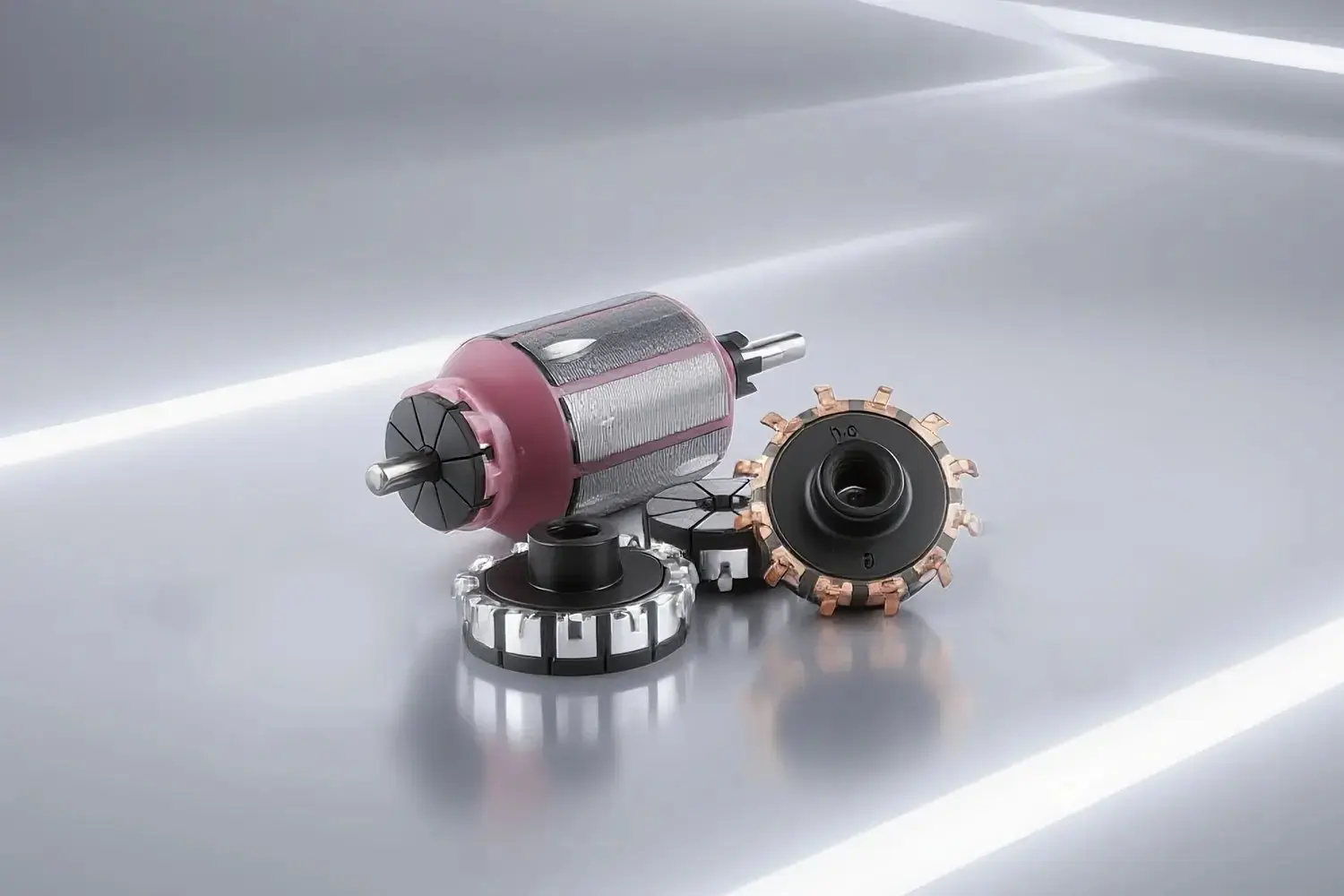
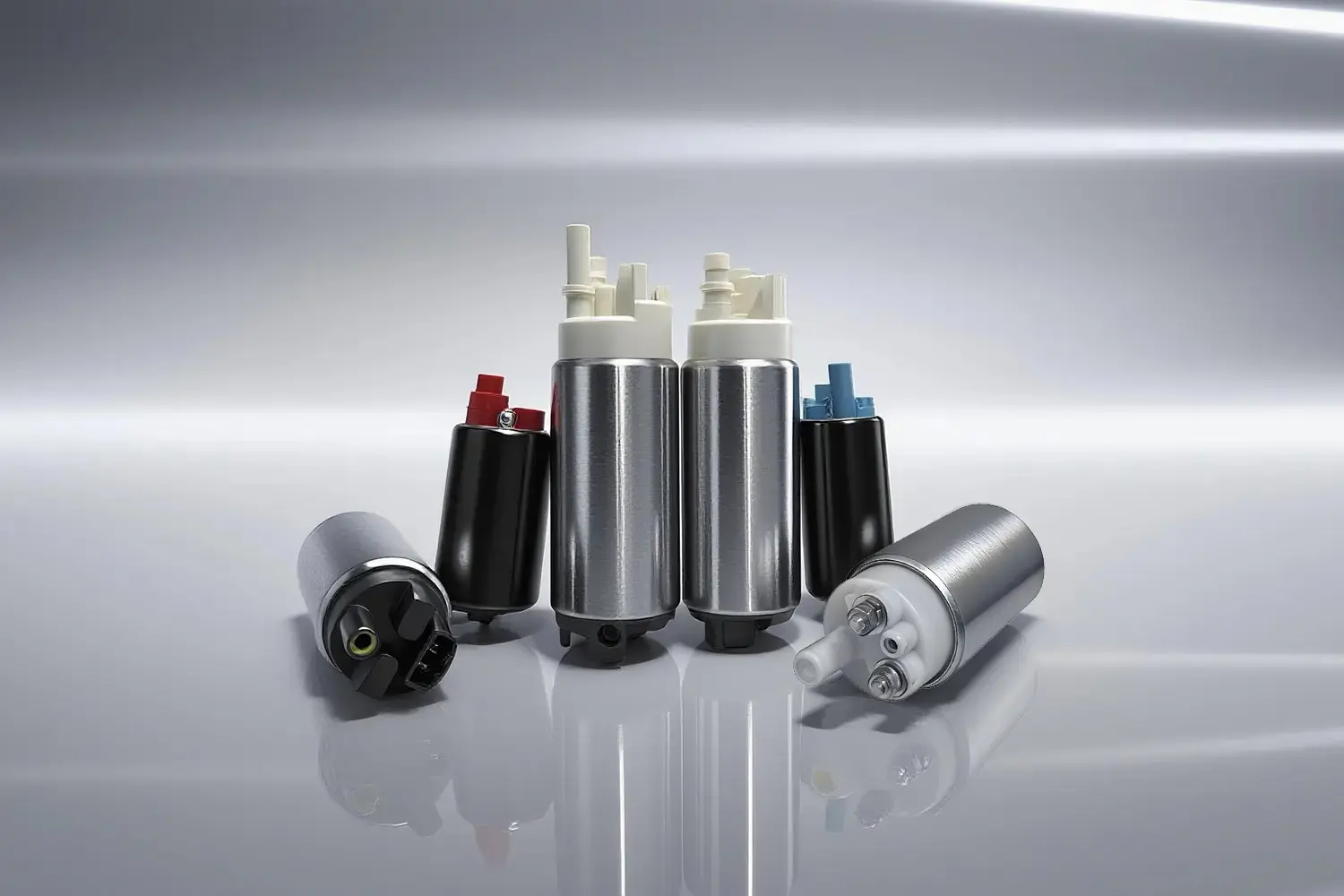
The commutator transfers electrical current between the stationary carbon brushes and the rotating armature rotor within the submerged fuel pump. It continuously reverses the current direction across windings to keep the motor spinning unidirectionally at 6,000 - 10,000 RPM. Because the component operates entirely submerged in volatile fuel, its physical contact profile, corrosion tolerance, and electrical stability determine the lifespan of the entire injection system.
Why choose a carbon (graphite) commutator instead of a conventional copper commutator? +
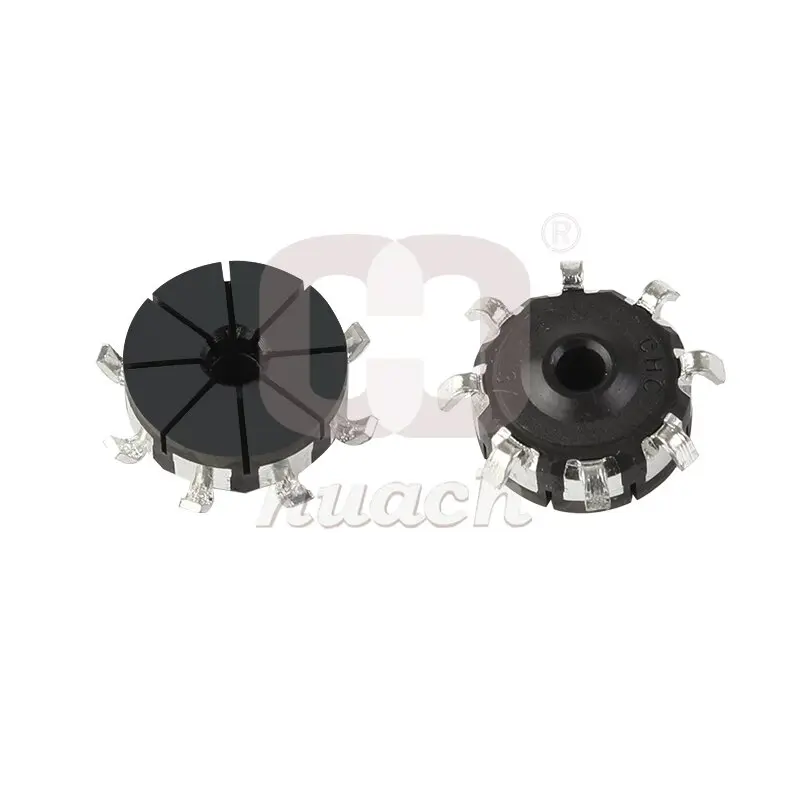
Modern commercial fuels—especially fuels distributed in equatorial climates—often feature high moisture absorption and ethanol/methanol additives. Under these environments, legacy copper commutators corrode via electrochemical oxidation, creating copper salts that seize brushes and cause premature failure. Carbon (graphite) commutators are completely inert to alcohol fuels, maintain a self-lubricating film, drastically cut contact arcing, and operate up to three times longer than bare copper.
Can Hualeao produce custom commutators from technical drawings or physical samples sent from Ghana? +
Yes. Many fleet rebuilders, mining engineers, and remanufacturing workshops across Accra, Kumasi, and Takoradi service older, European, Japanese, or specialty equipment with discontinued part numbers. Our engineering team can reverse-engineer commutators directly from customer-provided physical samples, 2D/3D CAD models, or OE reference numbers, verifying segment counts, hook configurations, and internal shaft bore diameters.
Which industries in Ghana use Hualeao fuel pump components and commutators? +
Our assemblies are installed in four primary sectors: passenger vehicle fleets (taxis, commercial vans, private transport), two- and three-wheeler urban cargo transit vehicles, heavy construction and mining equipment (excavators, drillers, power shovels operating in the Ashanti gold belt), and marine diesel/petrol transfer systems servicing offshore rigs and fishing vessels around Sekondi-Takoradi.
What is the typical shipping lead time and customs document support for Tema and Takoradi Ports? +
For standardized catalogue components, production and dispatch take roughly 7 to 15 business days. Sea freight delivery from Ningbo/Shanghai to Tema Port averages 32 to 40 days. We provide comprehensive export documentation including Commercial Invoices, Packing Lists, Bills of Lading (B/L), Certificates of Origin (CO), and test documents compliant with the Ghana Standards Authority (GSA) and ICUMS clearance system.
How can buyers obtain detailed technical CAD models, catalog specs, and pricing? +
You can request CAD files and technical sheets via our Request a Catalog page or directly email our export engineering department at [email protected]. Provide your target part numbers, sample sketches, or estimated annual volume, and our engineers will reply with complete data sheets within 24 hours.