What specific role does a carbon commutator play inside an automotive electric fuel pump?
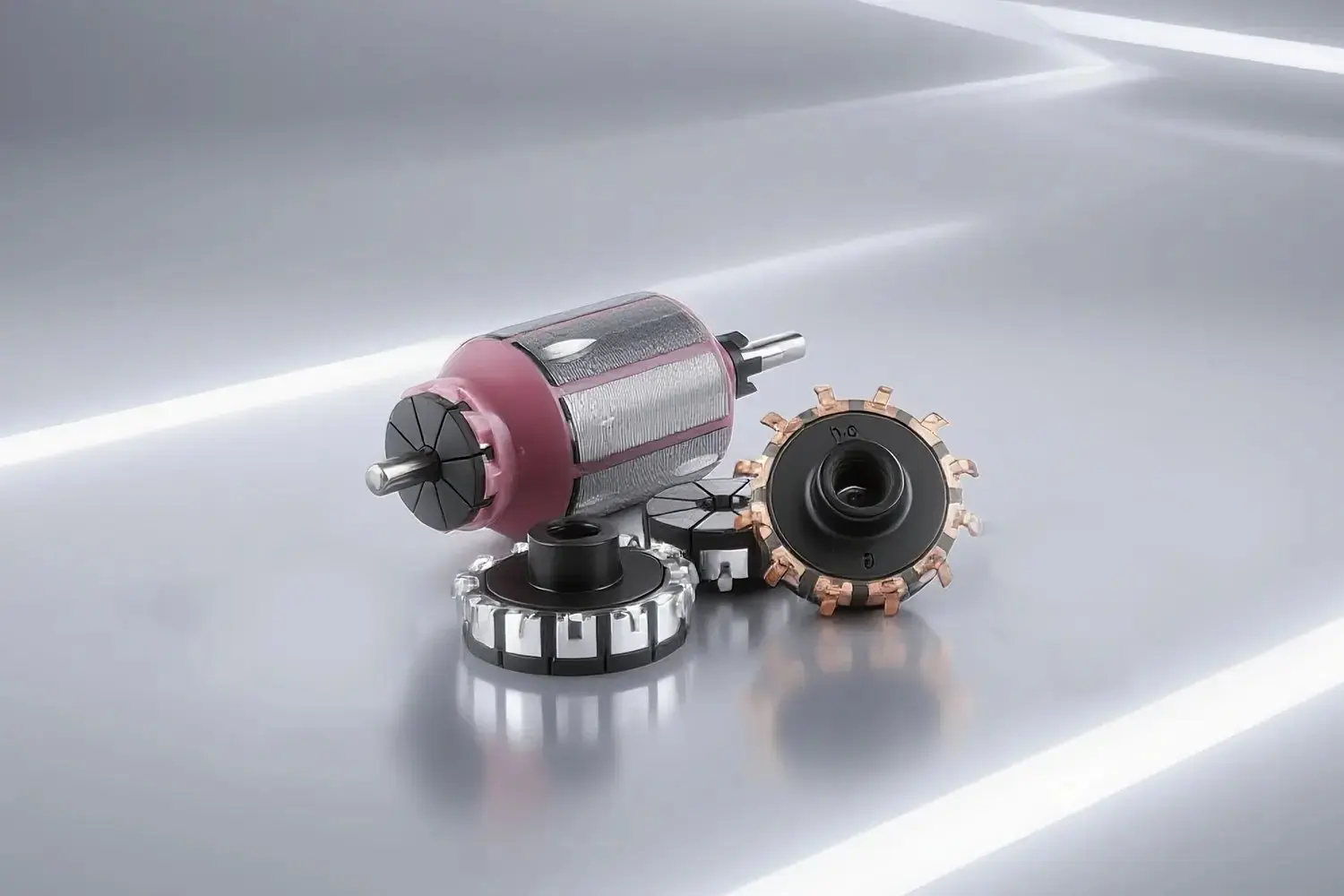
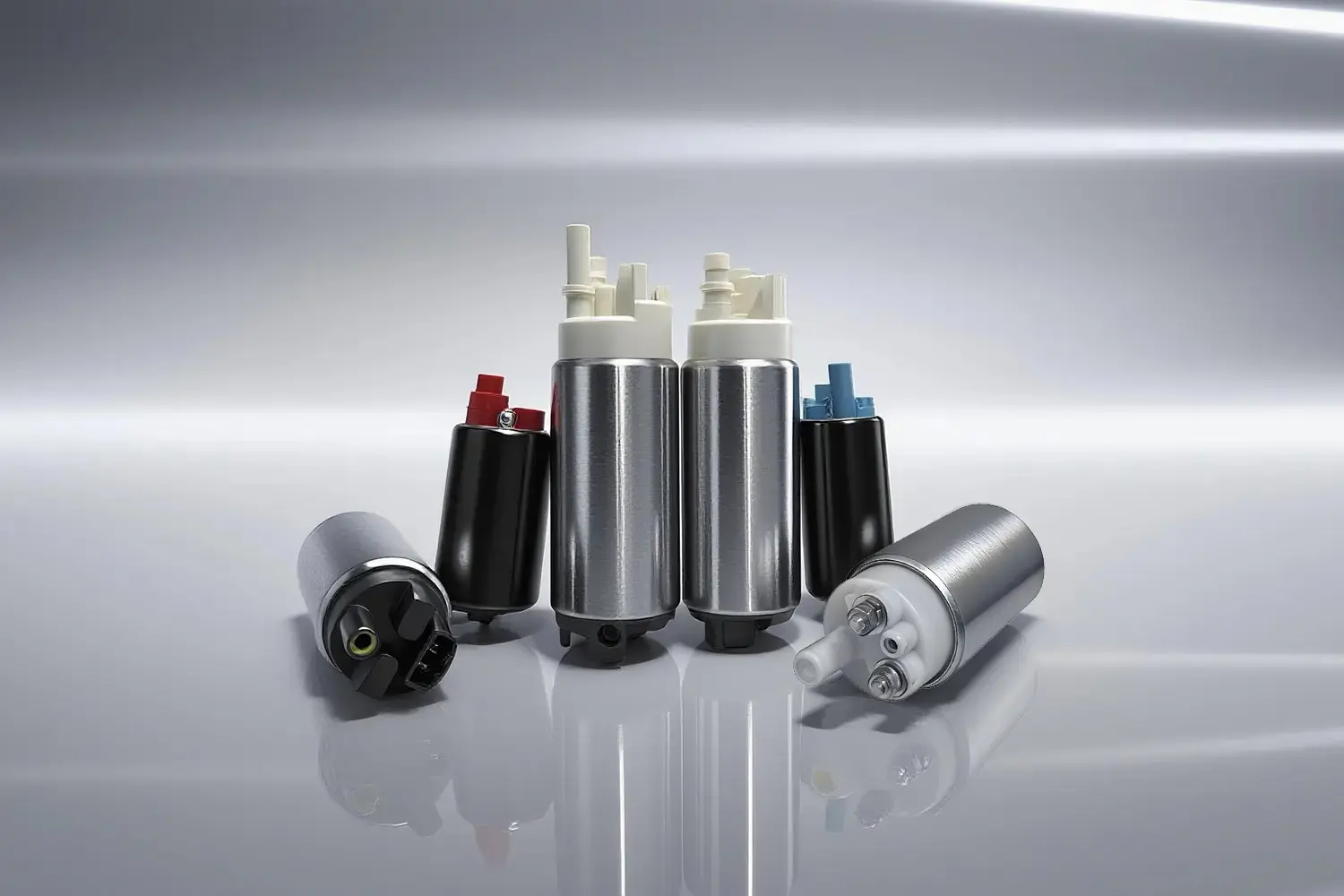
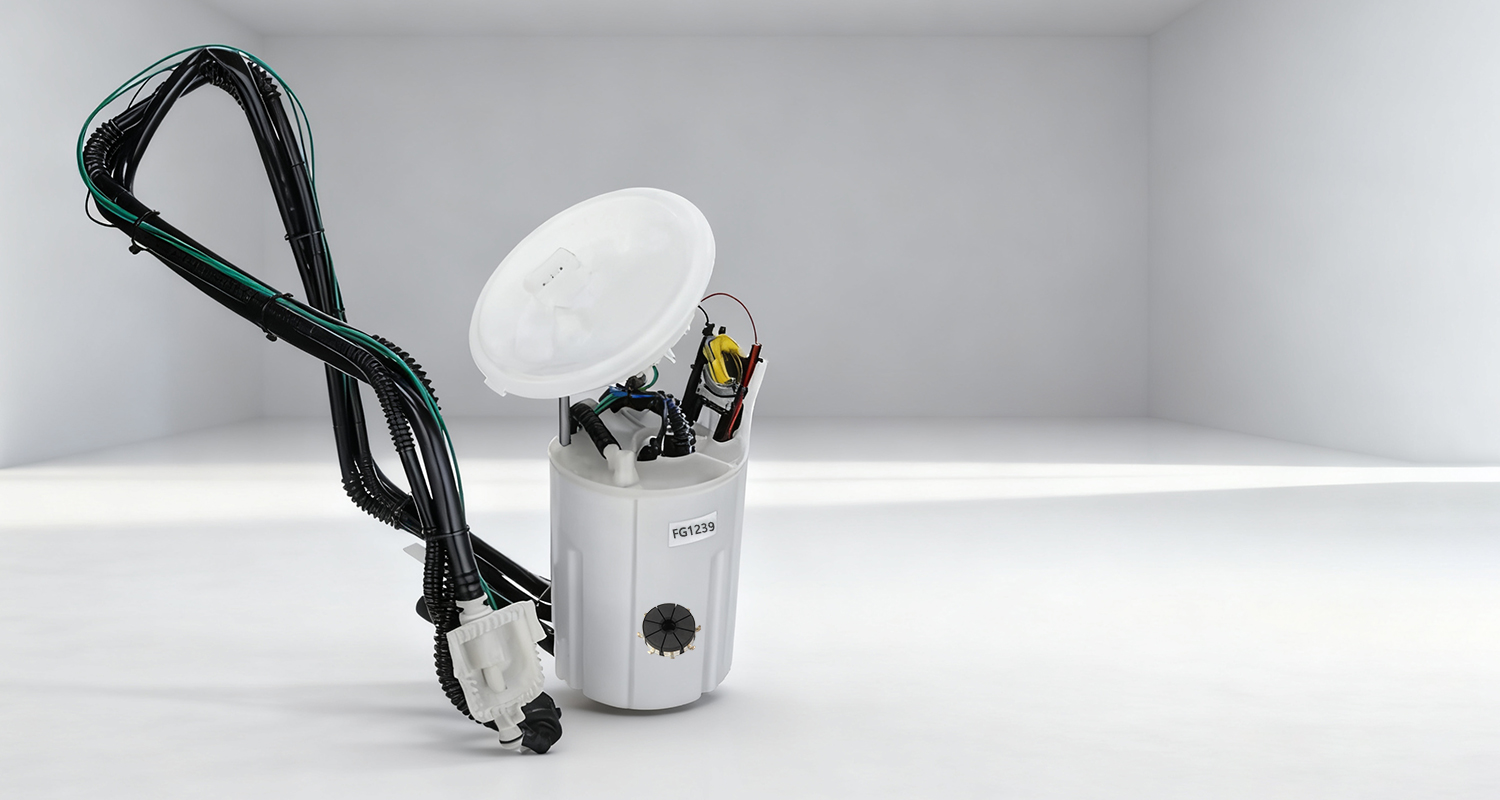
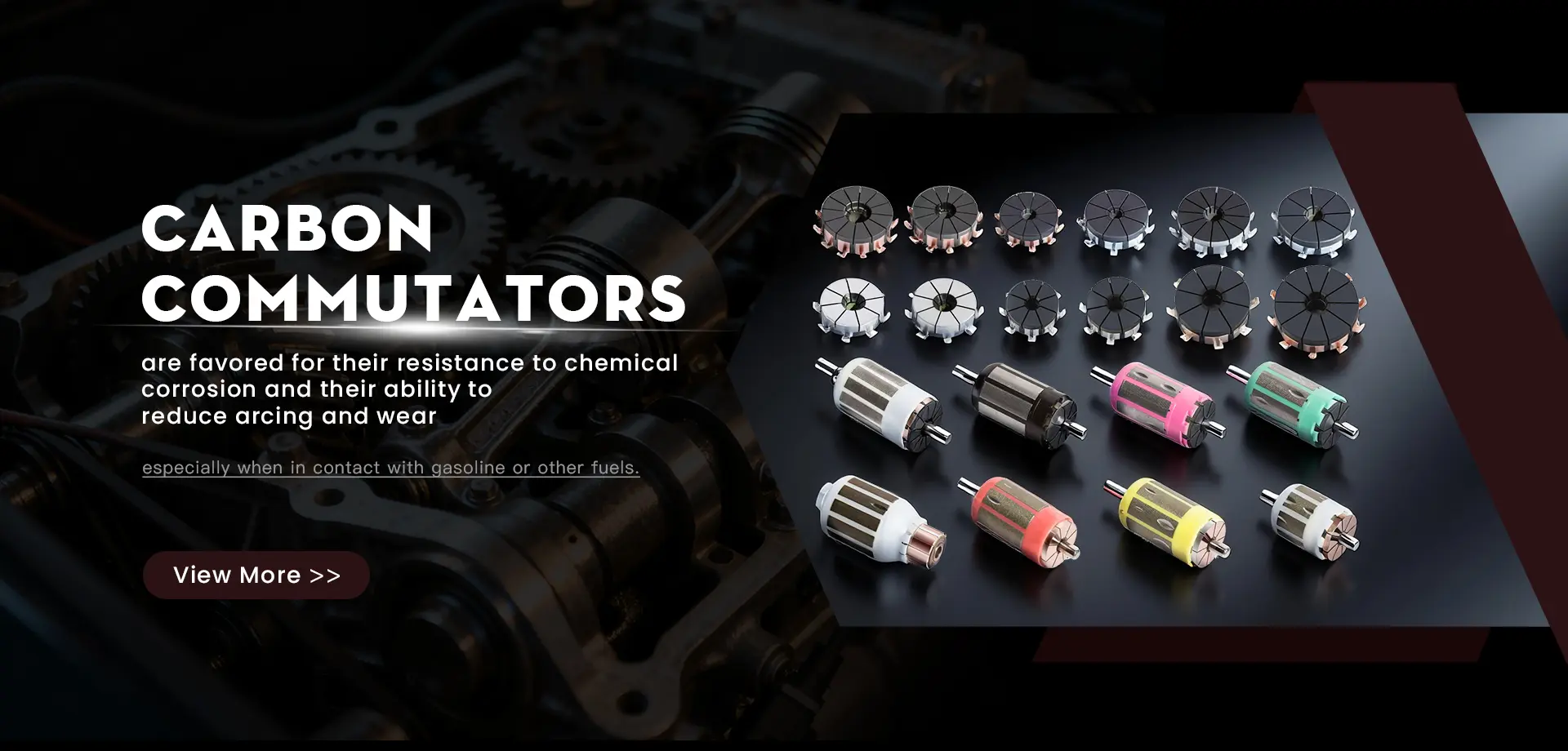
The commutator functions as an electromechanical rotary switch positioned on the motor rotor shaft. It transfers direct current (DC) from stationary carbon brushes into the rotating copper armature windings, continuously reversing current polarity as the shaft turns. This ensures continuous unidirectional electromagnetic torque to spin the fuel impeller or gerotor. Because the motor runs submerged in fuel, the commutator’s surface smoothness, material resistance, and dimensional runout dictate pump delivery pressure, flow rate, acoustic NVH, and operating longevity.
Why must European and Luxembourg automotive platforms specify carbon commutators over copper?
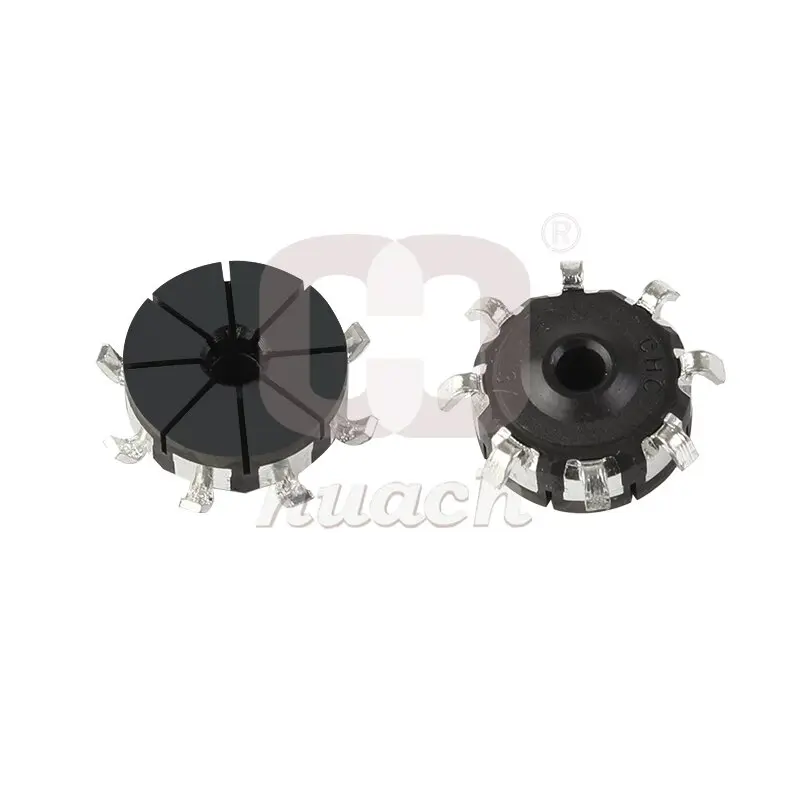
European fuel supplies are heavily blended with biofuels (such as E10 gasoline and renewable bio-ethanol components) under EU environmental mandates. Traditional copper commutators suffer from severe electrochemical oxidation, sparking erosion, and acidic fuel attack, causing rapid pitting, short circuits, and pump breakdown within 800 to 1,500 hours. Hualeao’s carbon (graphite) commutators are chemically inert, resist ethanol and methanol corrosion, reduce friction wear on mating brushes, and guarantee continuous operational stability exceeding 4,000 to 8,000+ hours.
Can Hualeao manufacture custom carbon commutators based on Luxembourg Tier-1 technical drawings or physical samples?
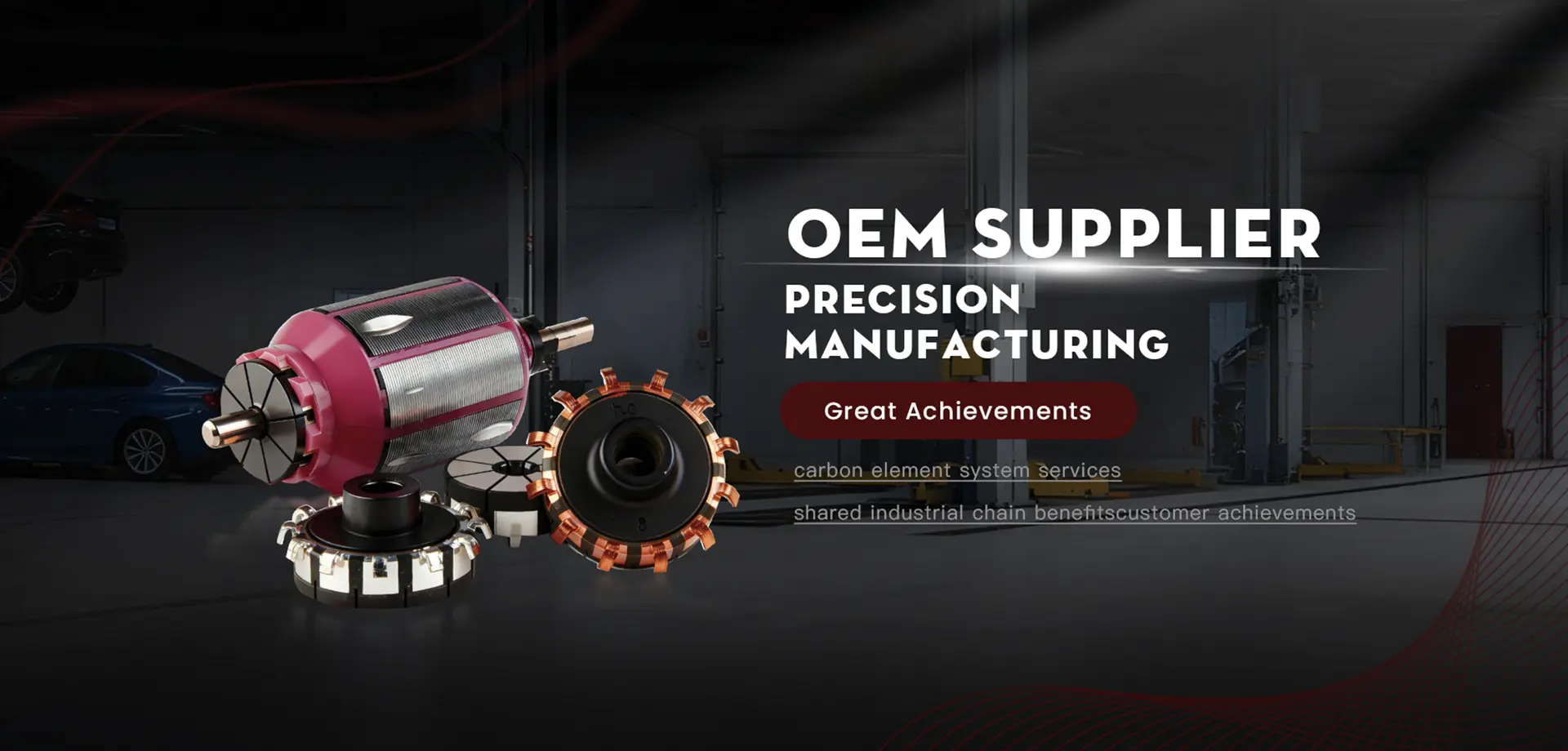
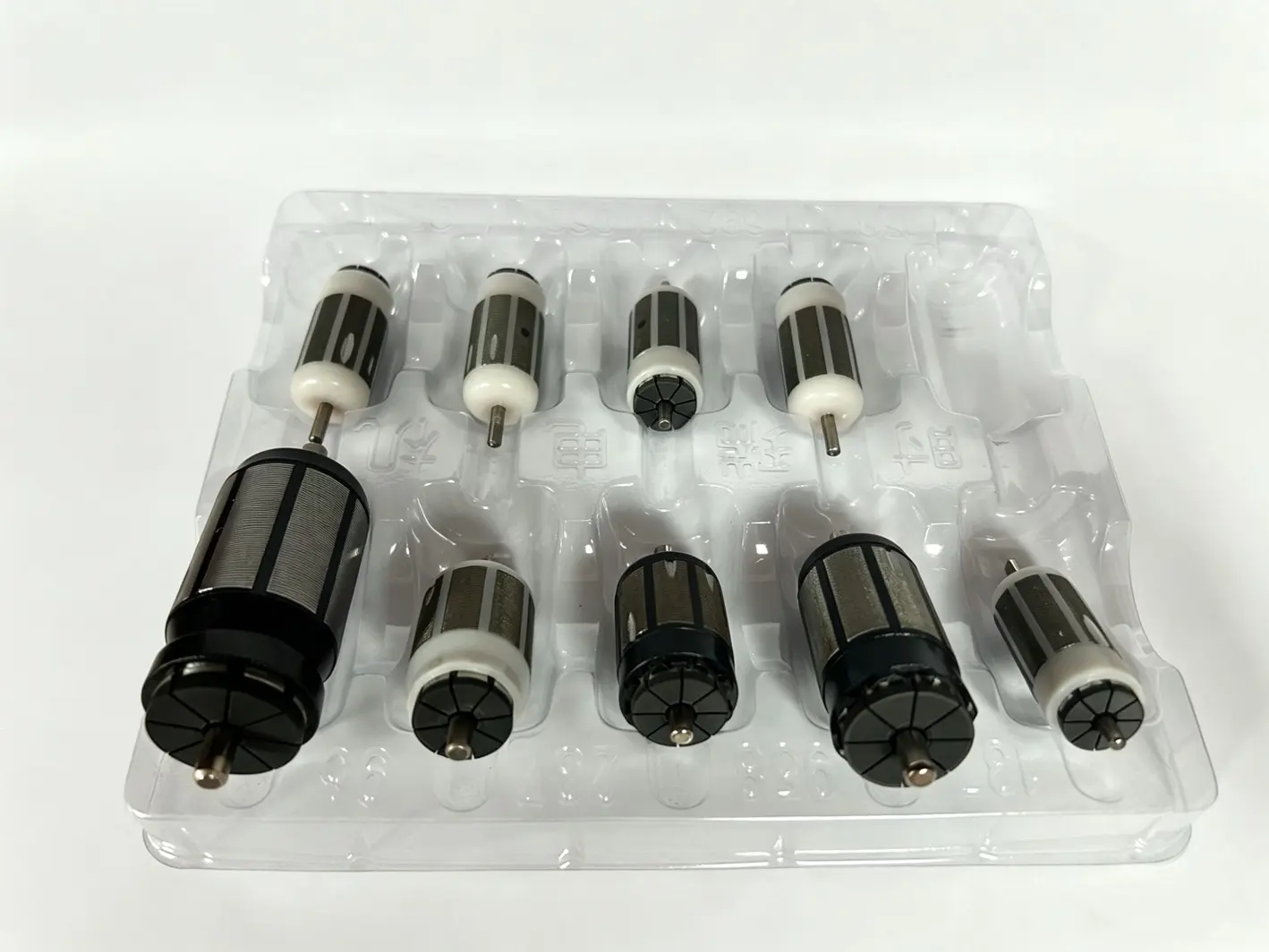
Yes. Custom engineering is a core capability. We routinely receive 2D CAD prints (PDF, DWG, DXF), 3D solid models (STEP, IGES), or worn physical benchmark samples from European engineering groups. Our engineering team confirms outer diameter (OD), inner core bore (ID), total height, number of segments (e.g., 6, 8, 10, or 12 segments), graphite layer thickness, and specific resin impregnation requirements before rapid tooling and prototype dispatch.
What quality verification and batch testing protocols are performed prior to export dispatch?
Every production batch undergoes a closed-loop quality verification sequence: 100% automated optical inspection (AOI) for Total Indicator Reading (TIR / dynamic runout ≤ 0.003 mm), inter-segment bar-to-bar electrical resistance verification, high-voltage segment dielectric isolation testing (hipot > 1500V), and destructive spin-burst testing to ensure dovetail retention beyond 25,000 RPM at 120°C. Full inspection test certificates (CoC / 3.1 inspection reports) accompany each shipment.
What are the typical logistics timelines and MOQ requirements for delivery to Luxembourg?
For standard catalog designs or existing molds, sample orders can be dispatched via air express (DHL/FedEx/Cargolux network) within 5 to 7 business days, reaching Luxembourg within 3 to 4 transit days. For full container or palletized production runs, typical lead time is 25 to 30 days from mold sign-off. Flexible minimum order quantities (MOQs) are accommodated for developmental prototypes, pilot vehicle runs, and aftermarket wholesale packaging.