Automotive Component Architecture · Portugal & Global OEM Supply
Carbon Commutator Suppliers & Manufacturer in Portugal
Pioneering ethanol-, methanol- and electro-corrosion resistant carbon commutators engineered for precision fuel injection, industrial DC armatures, and European advanced mobility systems.
A technical assessment of why carbon-graphite commutators are crucial for Portugal's thriving automotive assembly corridor, maritime hubs, and renewable industrial ecosystem.
Portugal as an Iberian Automotive Anchor: The Shift from Copper to Carbon Commutators
Portugal has cemented its status as one of Europe’s most productive and cost-efficient automotive manufacturing centers. Supported by major manufacturing clusters such as Autoeuropa in Palmela (Setúbal), PSA/Stellantis in Mangualde, and dense Tier-1 and Tier-2 clusters across Porto, Aveiro, and Braga, the Portuguese automotive sector contributes more than 5% of national GDP. However, as international vehicle emission standards tighten under Euro 6e and prospective Euro 7 frameworks, and as the European Union accelerates its Renewable Energy Directive (RED II / RED III), the chemical composition of commercial fuels across Portugal and Spain has transitioned heavily toward synthetic, bio-ethanol (E10, E20, E85) and bio-methanol additions.
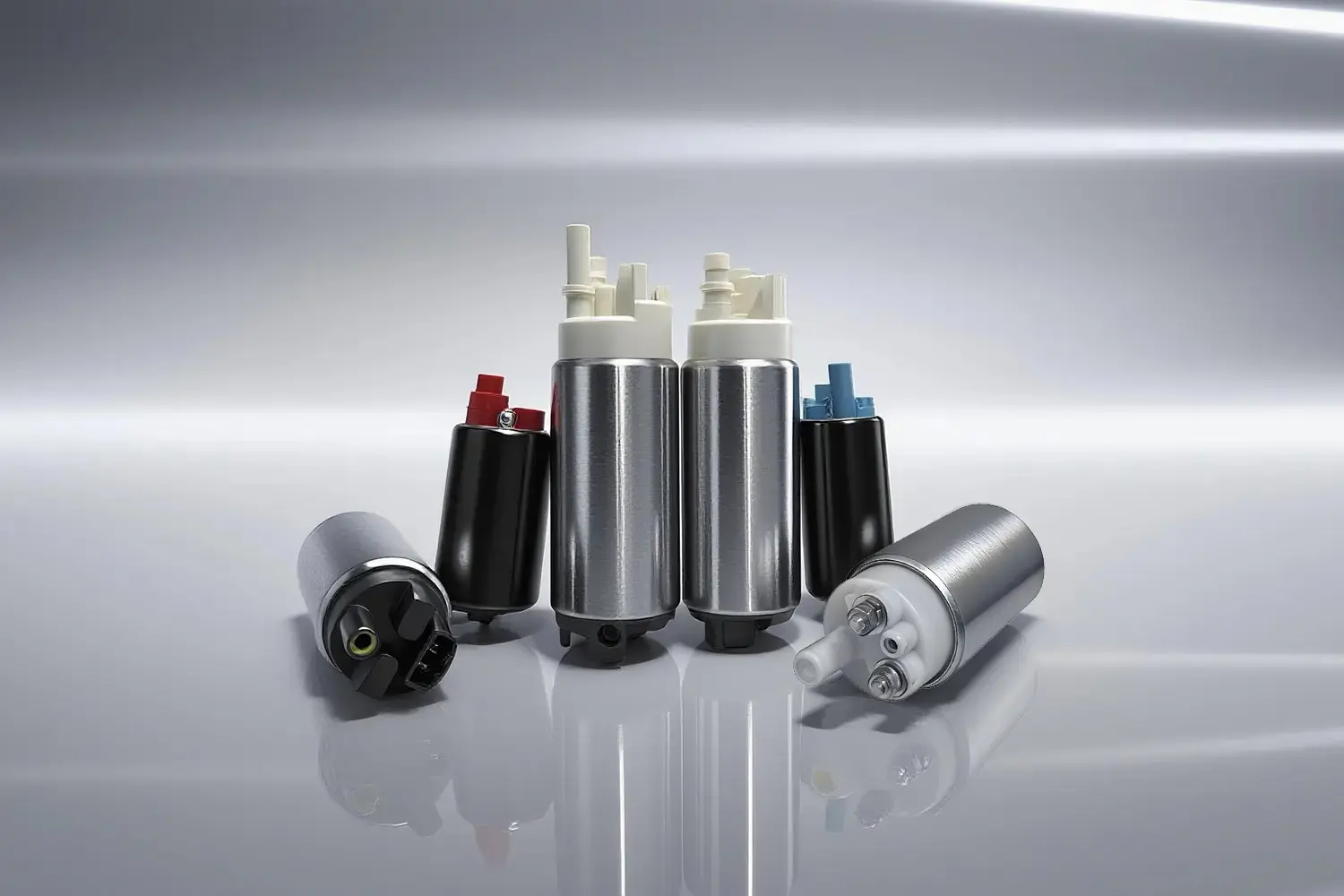
Conventional fuel pump armatures utilize electrolytic copper commutators. When copper interacts with alcohol-blended fuels under continuous electrical potential, an accelerated electro-chemical corrosion mechanism known as galvanic leeching occurs. The presence of ethanol molecules leads to acetic acid degradation, eroding traditional copper commutator segments within 800 to 1,200 operating hours. This failure mode results in severe armature arcing, elevated audible noise, carbon brush degradation, and sudden pump seizure.
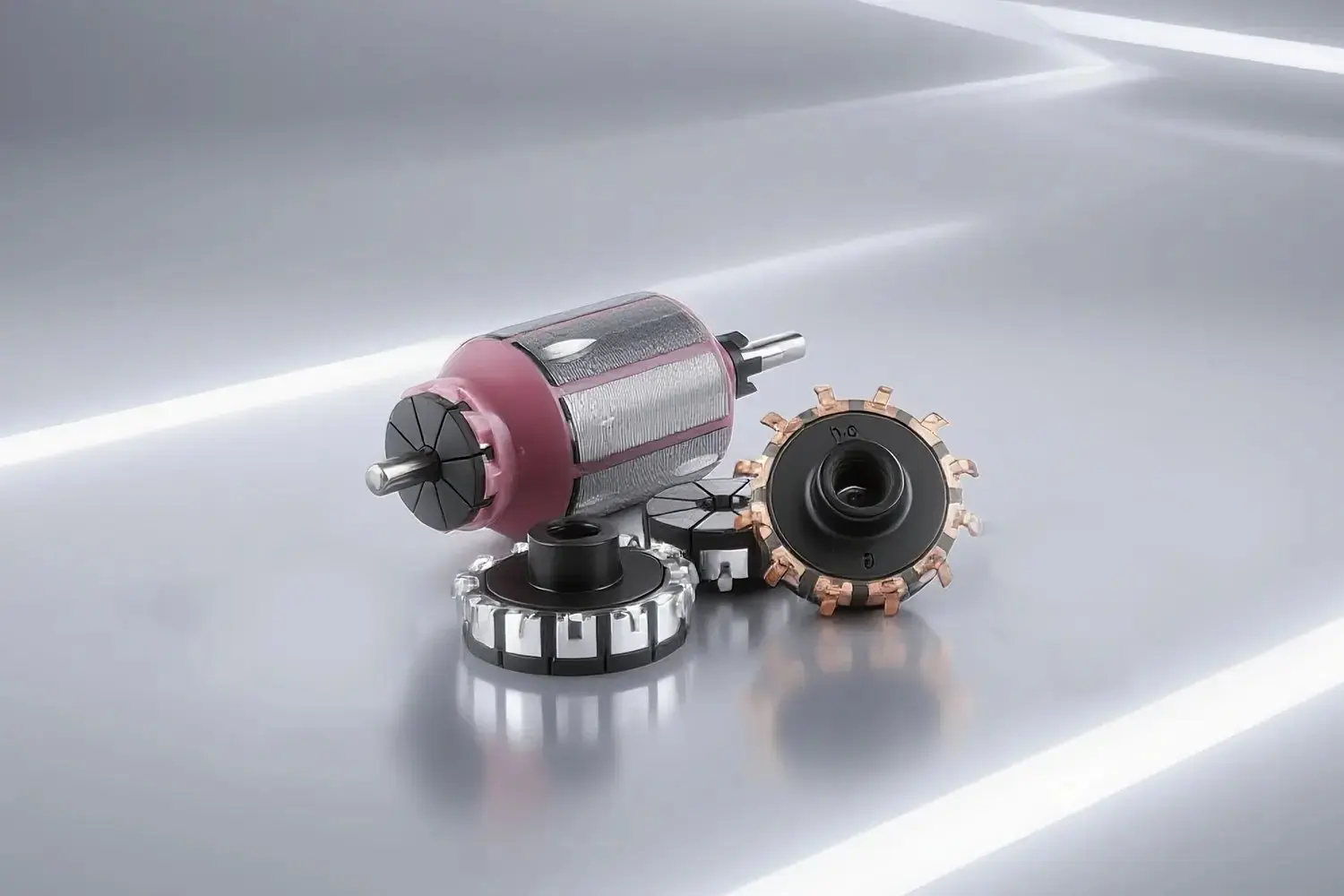
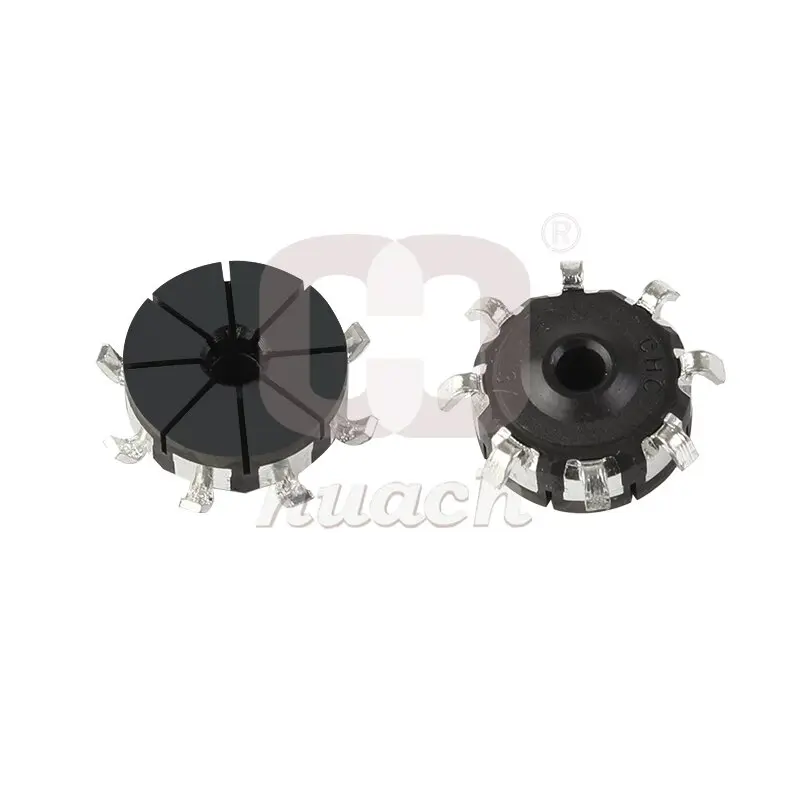
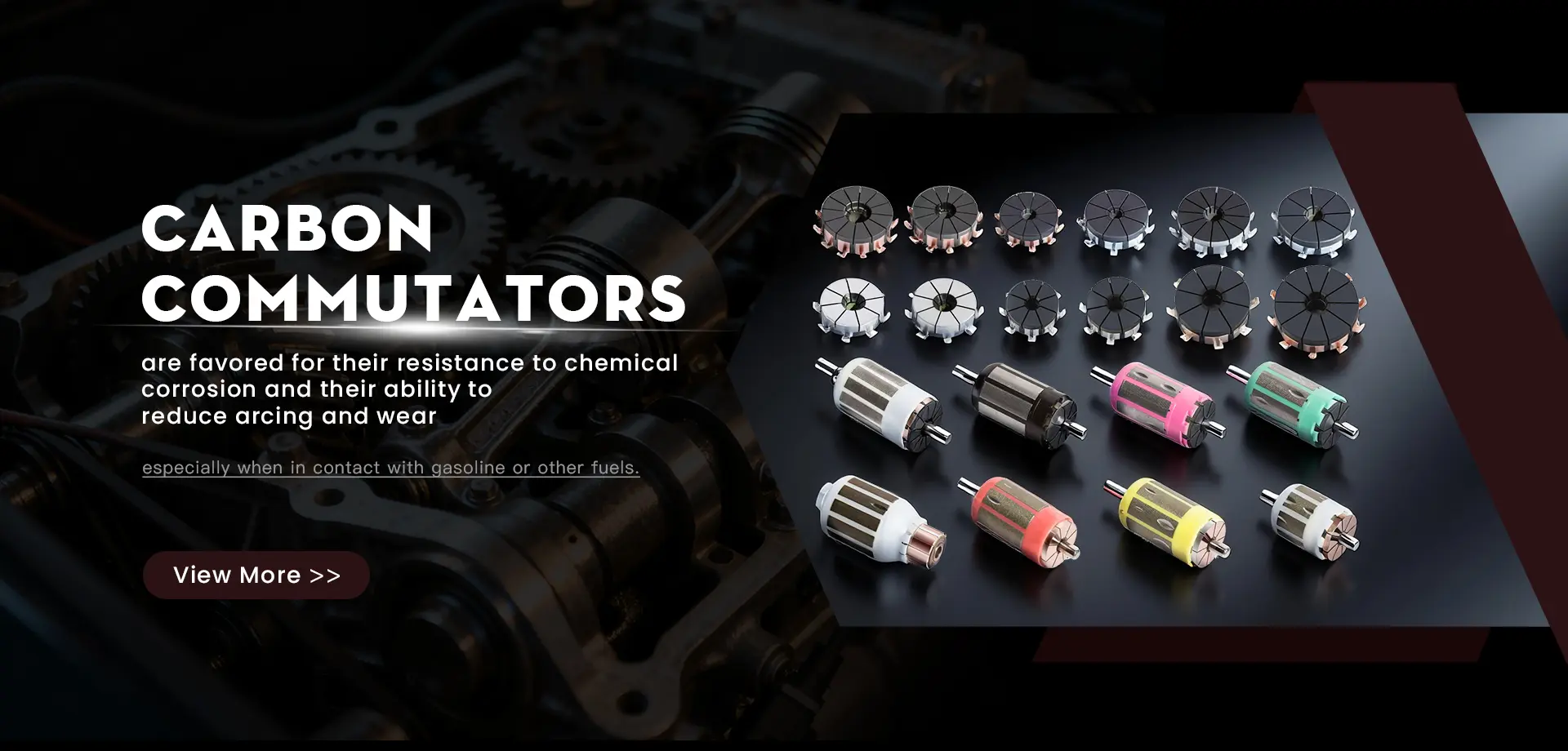
To safeguard vehicular longevity across Portugal's dynamic transport logistics networks, Tier-1 fuel system engineers are mandating carbon (graphite) commutators. Wenzhou Hualeao Automotive Parts Co., Ltd. provides high-purity isotropic graphite bonded to electrolytic copper segments via high-temperature polymer matrix interlayers. This technological architecture eliminates chemical vulnerability to alcohol-rich gasoline, extends continuous pump lifespan beyond 5,000 operational hours, and satisfies strict European durability thresholds.
A granular look at the tribological, metallurgical, and hydrodynamic advantages engineered into every Hualeao commutator.
Isotropic Graphite Purity
We utilize ultra-fine grain synthetic graphite formulated through high-pressure isostatic pressing. This homogeneous grain alignment minimizes contact drop resistance, lowers thermal generation across switching interfaces, and ensures linear brush wear profiles.
Corrosion Barrier Engineering
The interface between the carbon crown and copper core is protected by proprietary diffusion barriers. In high-alcohol Portuguese fuels, no interstitial migration of sulfur or bio-contaminants can breach the copper terminals.
Dynamic Balance & Concentricity
Precision diamond turning maintains total radial runout (TIR) within ≤ 0.003 mm. Segment-to-segment bar heights are controlled to sub-micron tolerances, eliminating brush bounce and electromagnetic interference (EMI) harmonics.
Target Application Domains in the Portuguese Market
From high-volume automotive assembly plants to Atlantic coastal fisheries and Douro agricultural infrastructure.
Automotive EFI & Hybrid Auxiliary Fuel Modules
In modern Plug-in Hybrid Electric Vehicles (PHEV) popular across Lisbon and Porto urban zones, fuel resides inside sealed tanks for extended periods without circulation, promoting fuel aging and acidification. Our carbon commutators prevent corrosion under stagnant alcohol environments, ensuring immediate startup pressure reliability.
Operating along Portugal's extensive 1,794 km Atlantic coastline, maritime vessels in Matosinhos, Peniche, and Setúbal face aggressive saline vapor. Hualeao marine-spec commutators incorporate sealed segments and salt-spray-resistant alloys that prevent galvanic seizing in outboard and inboard micro-pumps.
Agricultural Machinery in the Alentejo & Douro Valleys
Tractors and viticulture harvesters work in extreme ambient heat, heavy particulate dust, and prolonged peak-load conditions. Our commutators provide high thermal dissipation margins, preventing insulation melt and armature shorting during intensive harvest cycles.
Every single carbon commutator manufactured by Wenzhou Hualeao undergoes a closed-loop quality protocol. From spectral raw material verification to high-speed centrifugal resistance stress tests and automated laser optical profile checks, we ensure that zero-defect components arrive at European manufacturing facilities.
Listed in China's 11th Five-Year Plan National Energy-Saving Initiative
100% Benchmarked against Top German & Japanese Commutator Brands
Full CAD / CAM Tooling Capability from Custom Customer Drawings
Complete Technical Product Range for Portuguese & EU Buyers
Explore our complete production and aftermarket assemblies. All items are fully backed by customized manufacturing, sample testing, and European logistics clearance.
European Compliance, Localization & Technical Roadmap
Ensuring frictionless supply chain integration from China to Portugal through stringent regulatory adherence.
EU RoHS & REACH Compliance
All raw carbon graphite, copper alloys, and bonding phenolics comply with EU Regulation (EC) No 1907/2006 (REACH) and Directive 2011/65/EU (RoHS). Free of restricted heavy metals, facilitating transparent import clearing at Lisbon and Leixões ports.
Next-Gen E-Fuel & H2 Research
In collaboration with academic partners, Hualeao is developing ceramic-infused graphite commutators engineered for hydrogen internal combustion engine (H2-ICE) carrier fluid pumps and synthetic e-fuel micro-actuators planned for 2026-2030 vehicle roadmaps.
Dedicated Engineering Support
We provide fast-turnaround sampling with Portuguese language support, digital 3D STEP models within 48 hours, and dedicated validation protocols tailored to European client testing benches.
Procurement & Technical Inquiries
Frequently Asked Questions: Carbon Commutators in Portugal
Essential answers for purchasing managers, electrical engineers, and aftermarket brand owners.
What role does a carbon commutator play in automotive electric fuel pumps?
The carbon commutator serves as the electro-mechanical rotating switch within the submerged fuel pump motor. It transfers direct current from stationary carbon brushes into rotating armature windings, continually inverting magnetic polarity to sustain uninhibited unidirectional torque. In contemporary electronic fuel injection (EFI) engines, the dimensional accuracy, low surface friction, and contact stability of the carbon segments directly govern fuel flow consistency, fuel pressure accuracy, and pump operating noise.
Why should Portuguese industrial and automotive buyers choose carbon commutators over copper?
Unlike industrial DC motors that run dry, electric fuel pumps operate immersed directly in fuel. Under standard Portuguese and European commercial fuels blended with bio-ethanol (such as E10 or E85), copper commutators suffer from galvanic erosion and chemical oxidation caused by organic alcohol acids. Carbon (graphite) commutators are chemically inert to ethanol, methanol, and sulfur impurities. They maintain smooth surface contact without micro-arcing, thereby quadrupling pump operational longevity from ~1,000 hours to over 5,000 hours.
Can Hualeao manufacture customized commutators according to Portuguese OEM drawings or samples?
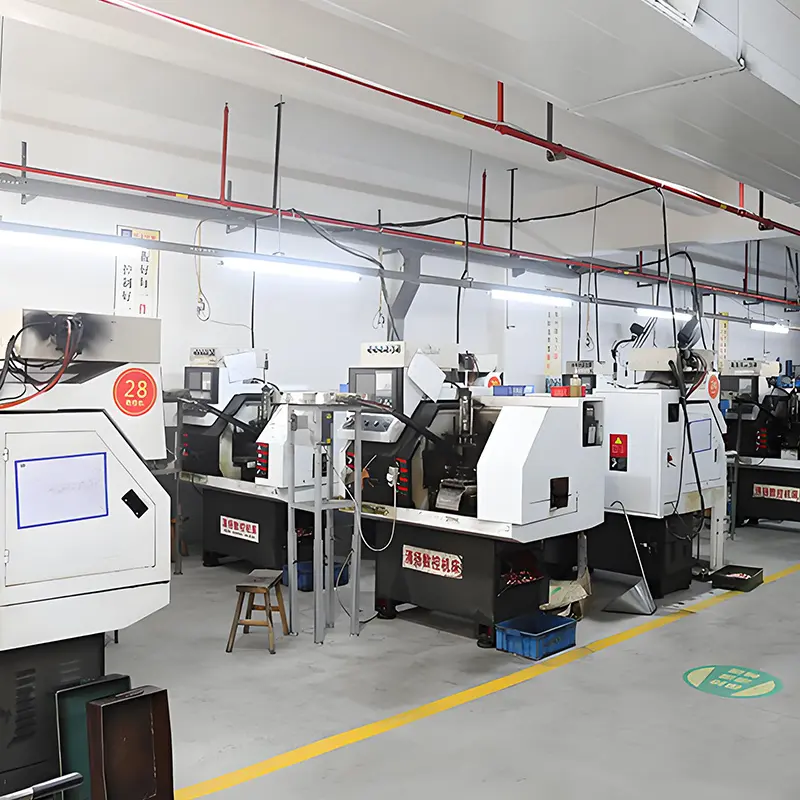
Yes. Wenzhou Hualeao maintains fully equipped CNC tooling and mould engineering workshops. Portuguese clients can submit 2D technical drawings (CAD/DXF), 3D STEP files, physical samples, or OEM reference numbers. Our technical team conducts finite element modeling, confirms segment pitch, hook geometry, and graphite density, and delivers initial prototype samples within 15 to 20 working days.
What specific industrial sectors in Portugal utilize Hualeao fuel pump components?
Our components are widely deployed across passenger vehicle fuel injection systems, light commercial fleets operating in Lisbon/Porto urban areas, motorcycle fuel systems, maritime engines operating along the Atlantic coast, and heavy agricultural/earthmoving machinery operating under extreme duty cycles in central Portugal.
What are the lead times and shipping routes for shipments arriving in Portugal?
Standard high-volume production orders require 25 to 35 calendar days from drawing approval. Shipments are handled via containerized maritime freight routed to the Port of Leixões (Porto) or Port of Sines/Lisbon with typical sea transit times of 28 to 34 days. For urgent OEM assembly line or testing requirements, sample batches and urgent lots are dispatched via air express (DHL/FedEx/UPS) reaching Portugal within 4 to 7 business days.
How can engineers and procurement teams request formal quotations and CAD catalogs?
You can utilize our official contact portal by clicking "Send Inquiry Now", directly emailing our global engineering desk at [email protected], or reaching our sales team via WhatsApp (+86-150-6776-3878). Provide your projected annual volumes and technical drawings for prompt engineering evaluation.
Ready to Optimize Your Fuel System Reliability?
Submit your CAD drawings, OE reference numbers, or project parameters. Receive a complete engineering feasibility report, pricing proposal, and prototype schedule within 24 hours.