What does a carbon commutator do in an electric fuel pump?
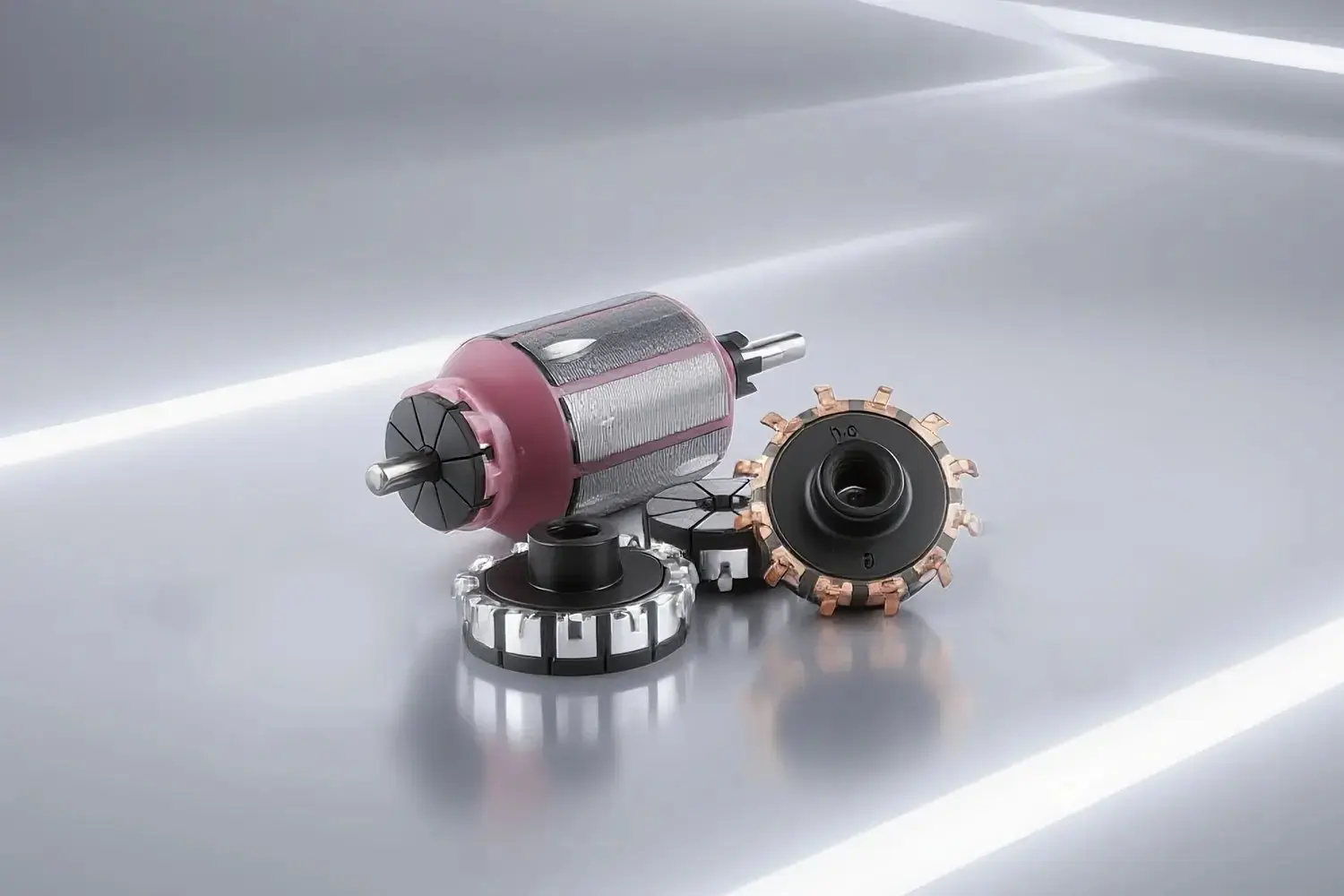
The commutator transfers current between the stationary carbon brushes and the rotating armature windings of the electric fuel pump motor. By mechanically switching the current direction across rotor coils, it maintains unidirectional motor torque, ensuring smooth, uninterrupted fuel delivery under steady pressure to the common rail. Dimensional accuracy and surface integrity govern electrical brush life, electrical noise (EMC), and hydraulic flow continuity.
Why choose a carbon (graphite) commutator instead of a conventional copper commutator?
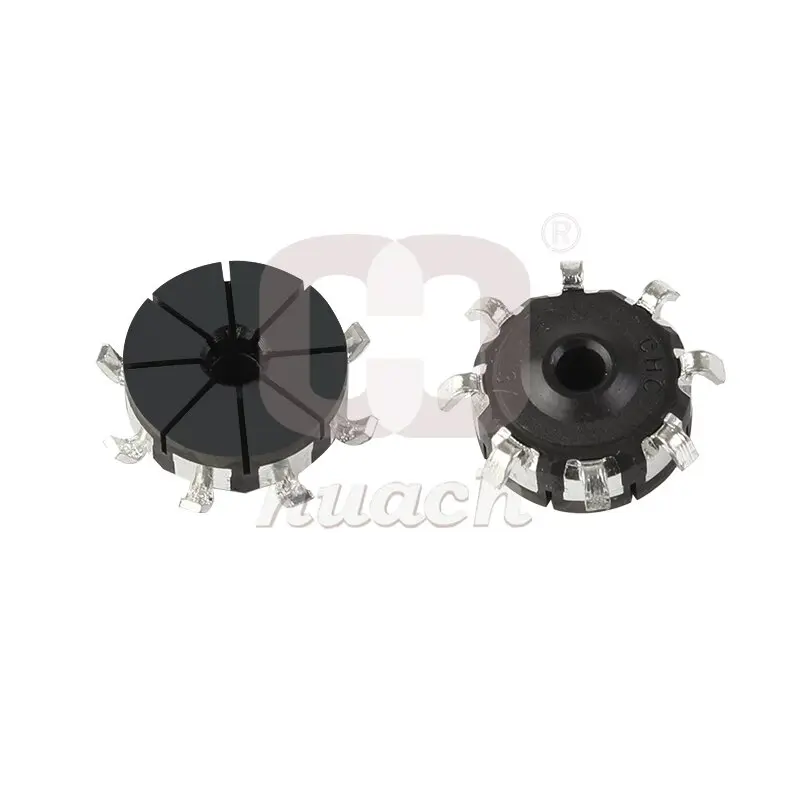
Submerged fuel pump motors depend on the pumped fuel for thermal cooling. In alcohol-adulterated, ethanol-blended (e.g., E10, E85), or high-sulfur fuel environments commonly encountered across regional transportation grids, copper undergoes aggressive galvanic and electrochemical corrosion. Graphite-carbon commutators exhibit extreme chemical resilience against corrosion, eliminate spark erosion, reduce wear debris, and ensure significantly higher pump service intervals.
Can Hualeao manufacture commutators and fuel pump cores according to custom technical drawings?
Yes. Wenzhou Hualeao operates in-house tooling, CNC tooling, and material sintering laboratories. We manufacture precisely to customer-supplied 2D/3D CAD blueprints, physical OE samples, or international cross-reference numbers, custom-tailoring commutator diameter, slot counts, copper tang hook geometry, and substrate resins to match specific vehicle platform requirements.
Which industry applications rely on Hualeao fuel pump assemblies?
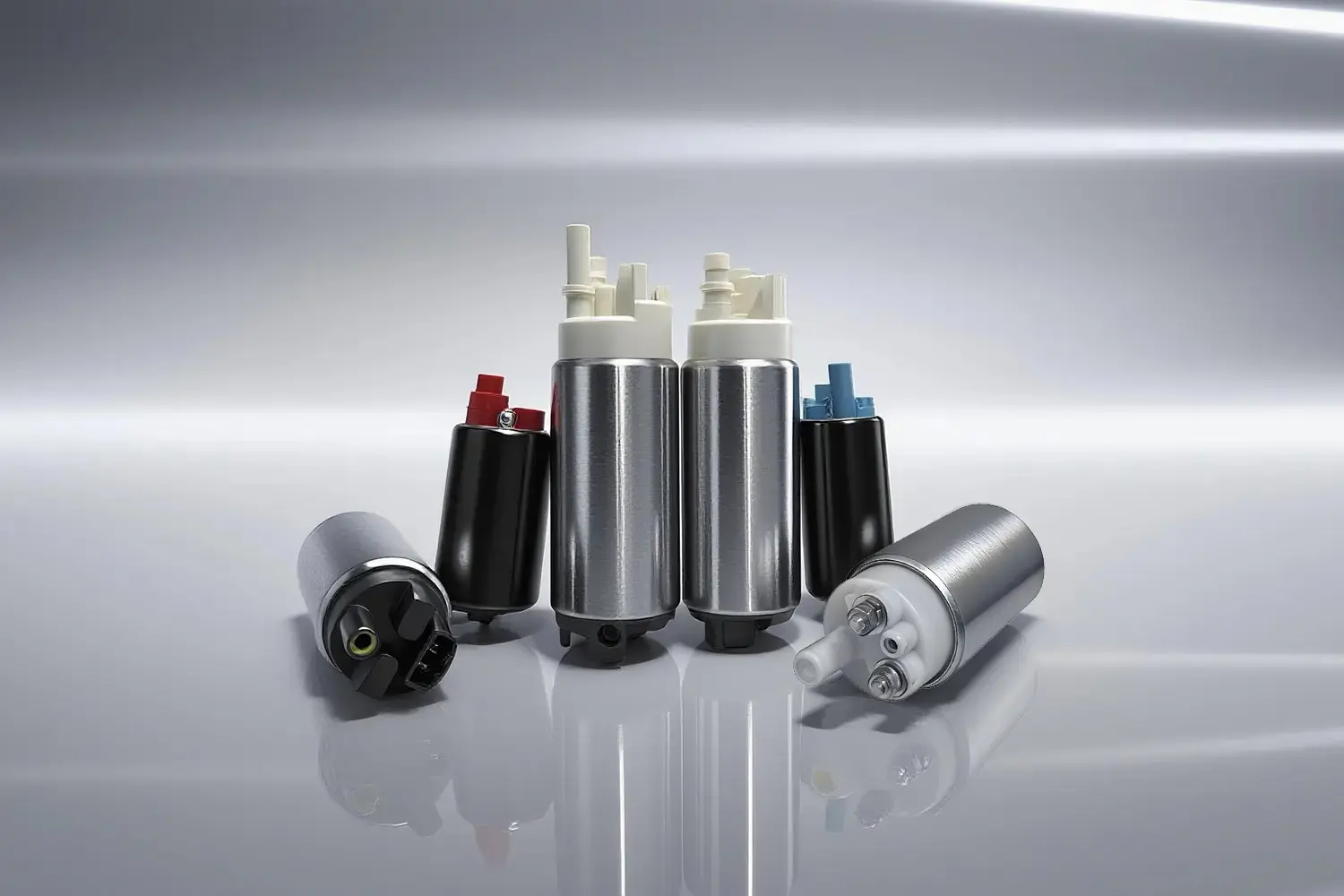
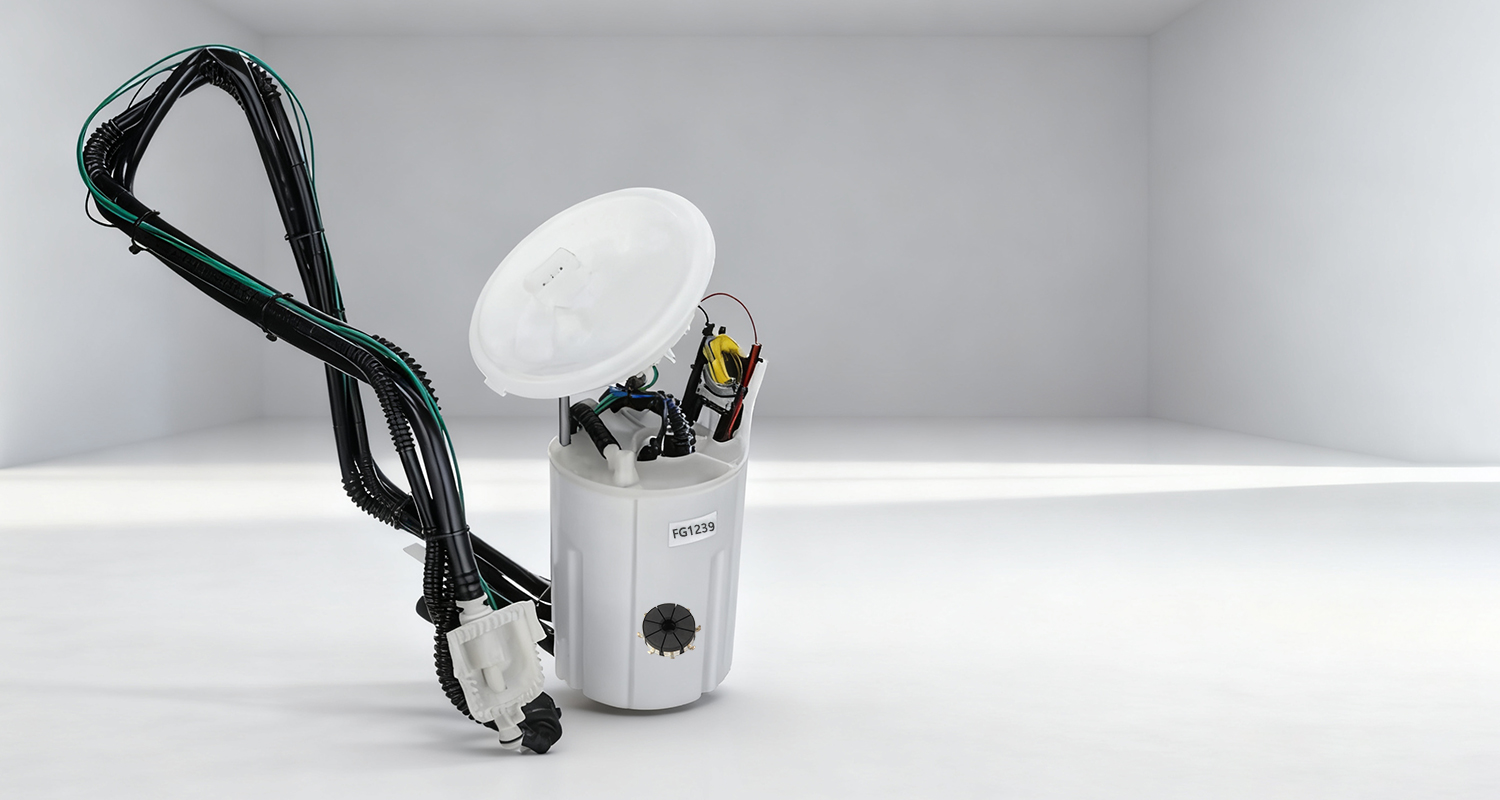
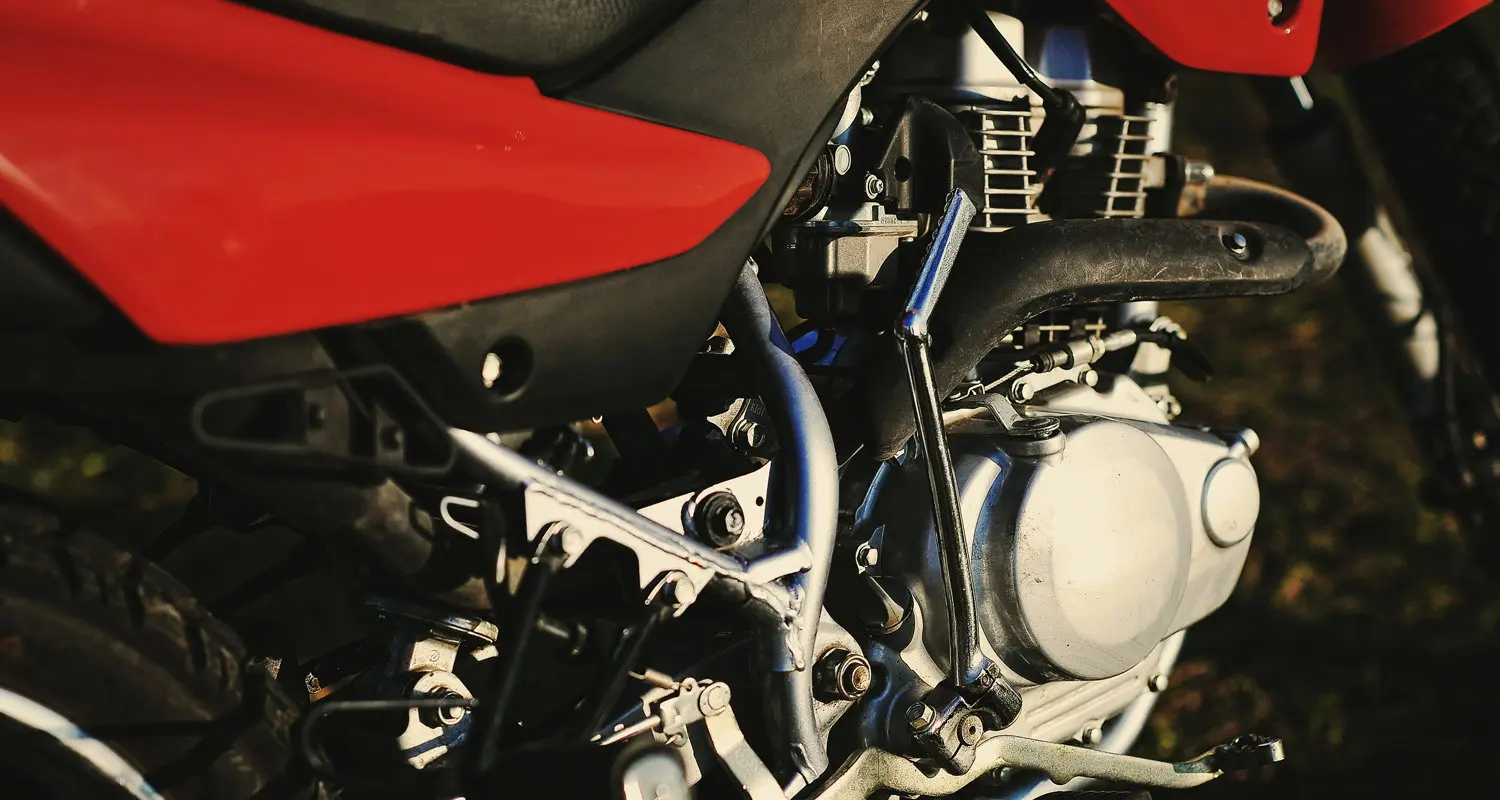
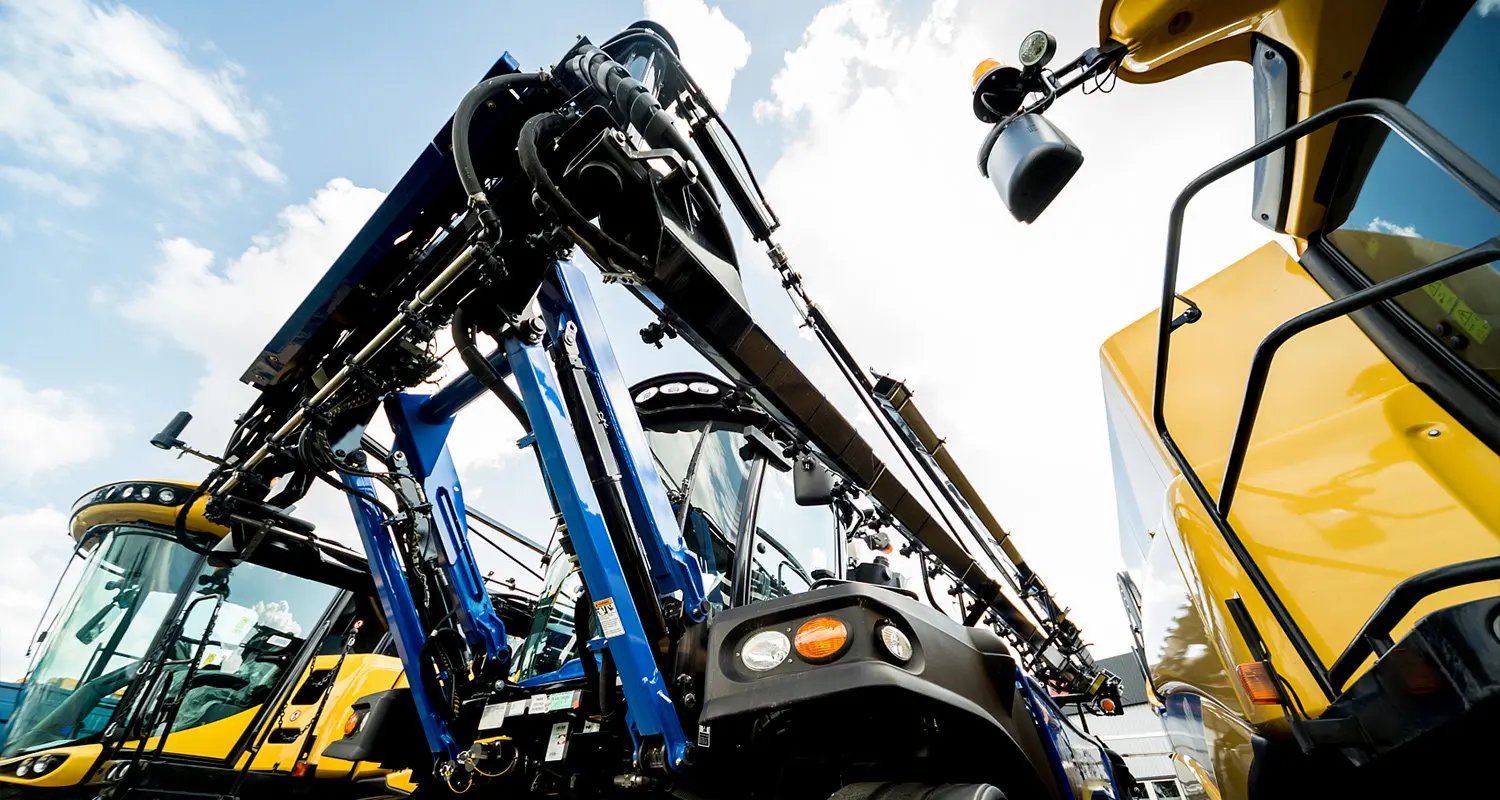
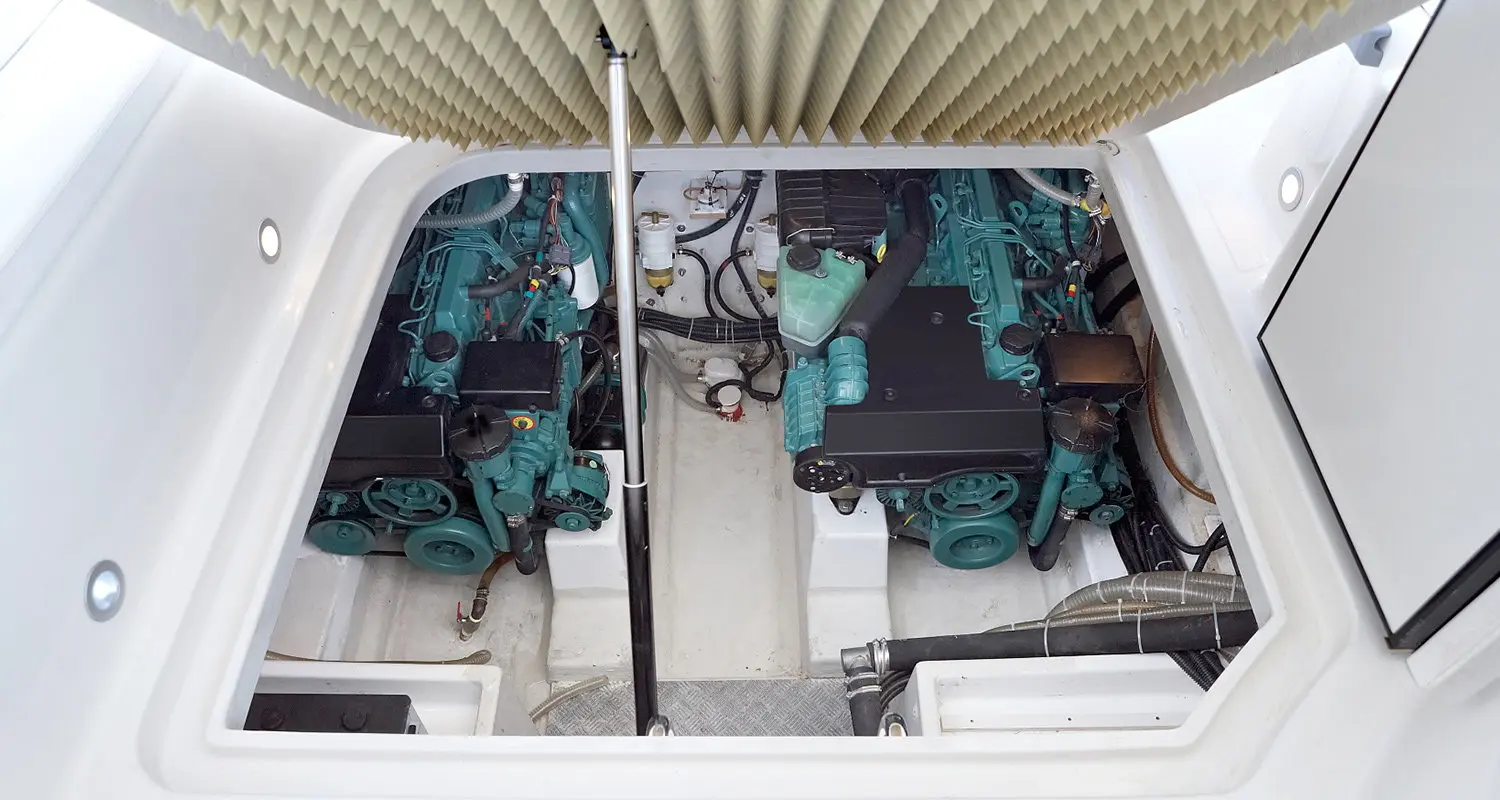
Our fuel delivery components and precision commutators serve passenger automotive fuel systems, commercial light trucks, delivery vans, high-rpm motorcycle EFI modules, heavy civil construction machinery, agricultural equipment, and marine inboard/outboard systems engineered to withstand salt-spray maritime environments.
What are the logistics transit times and shipping options from Wenzhou to Istanbul?
Ocean freight dispatched from nearby Ningbo or Shanghai terminals typically arrives at Istanbul (Ambarlı, Kumport, or Haydarpaşa) in 22 to 32 days, contingent upon selected carrier routing (Suez or Cape of Good Hope). For critical replenishment and pre-production sample trials, express air cargo channels to Istanbul Airport (IST) or Sabiha Gökçen (SAW) ensure dispatch delivery within 5 to 7 business days.
How can Turkish procurement teams access comprehensive product catalogs or technical drawings?
Procurement directors and quality engineers can request comprehensive engineering datasheets, dimensional drawings, and cross-reference tables through our dedicated request form or by emailing our engineering sales desk at [email protected].