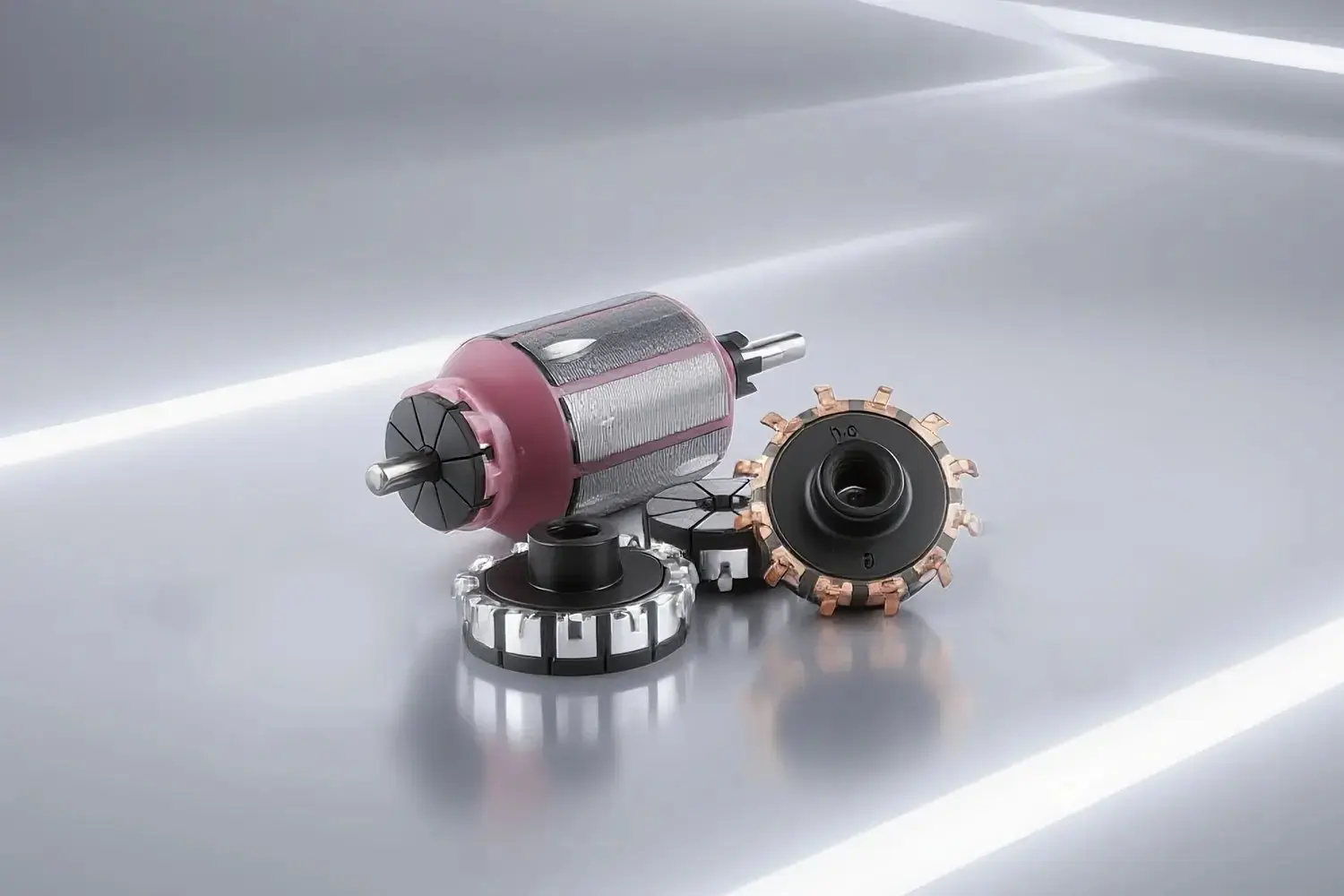
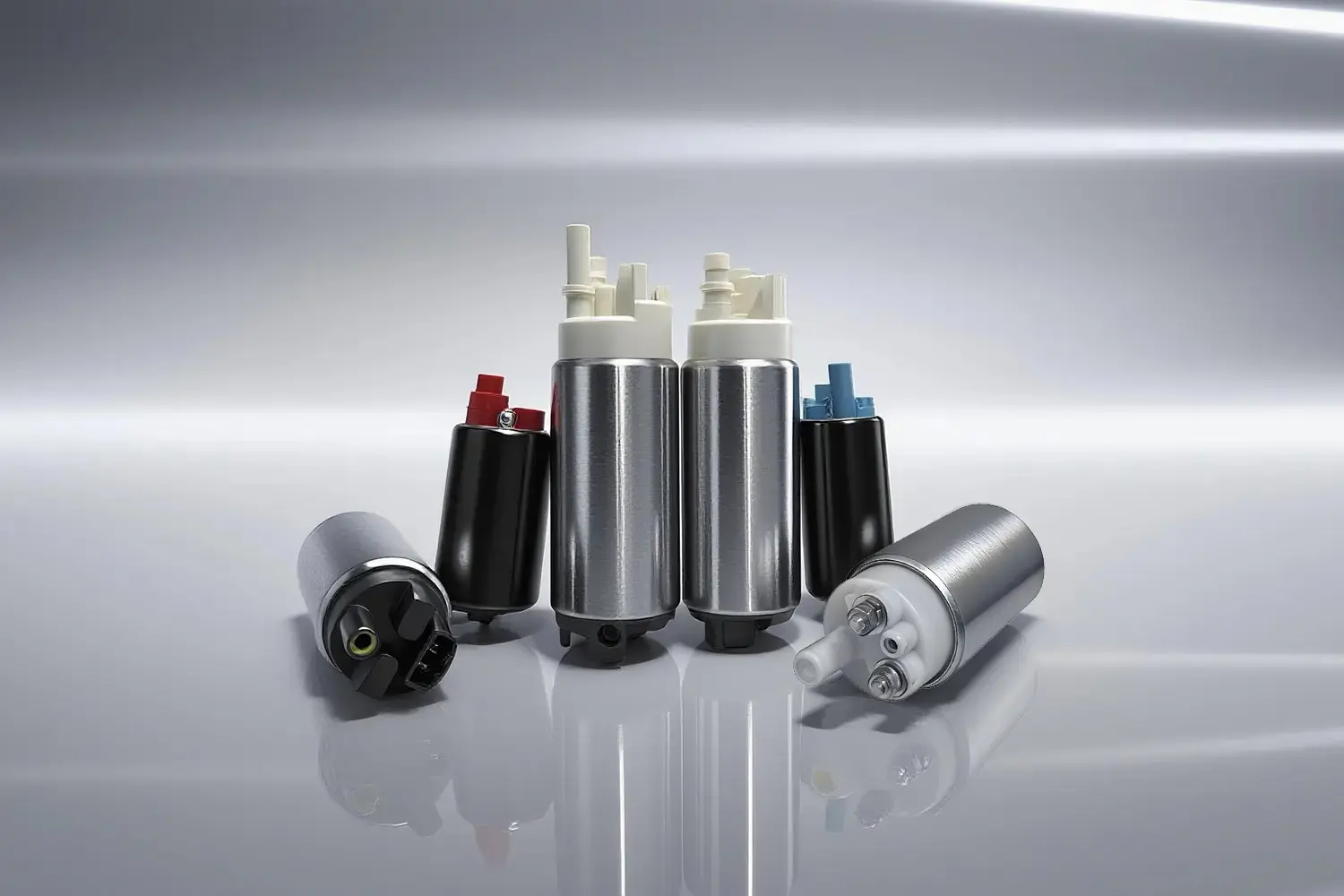
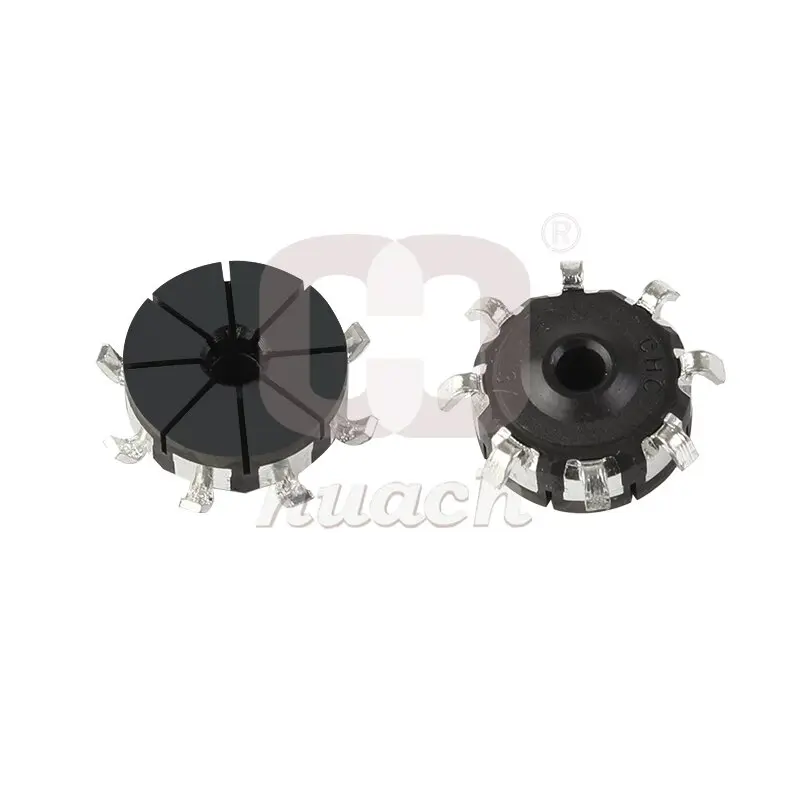
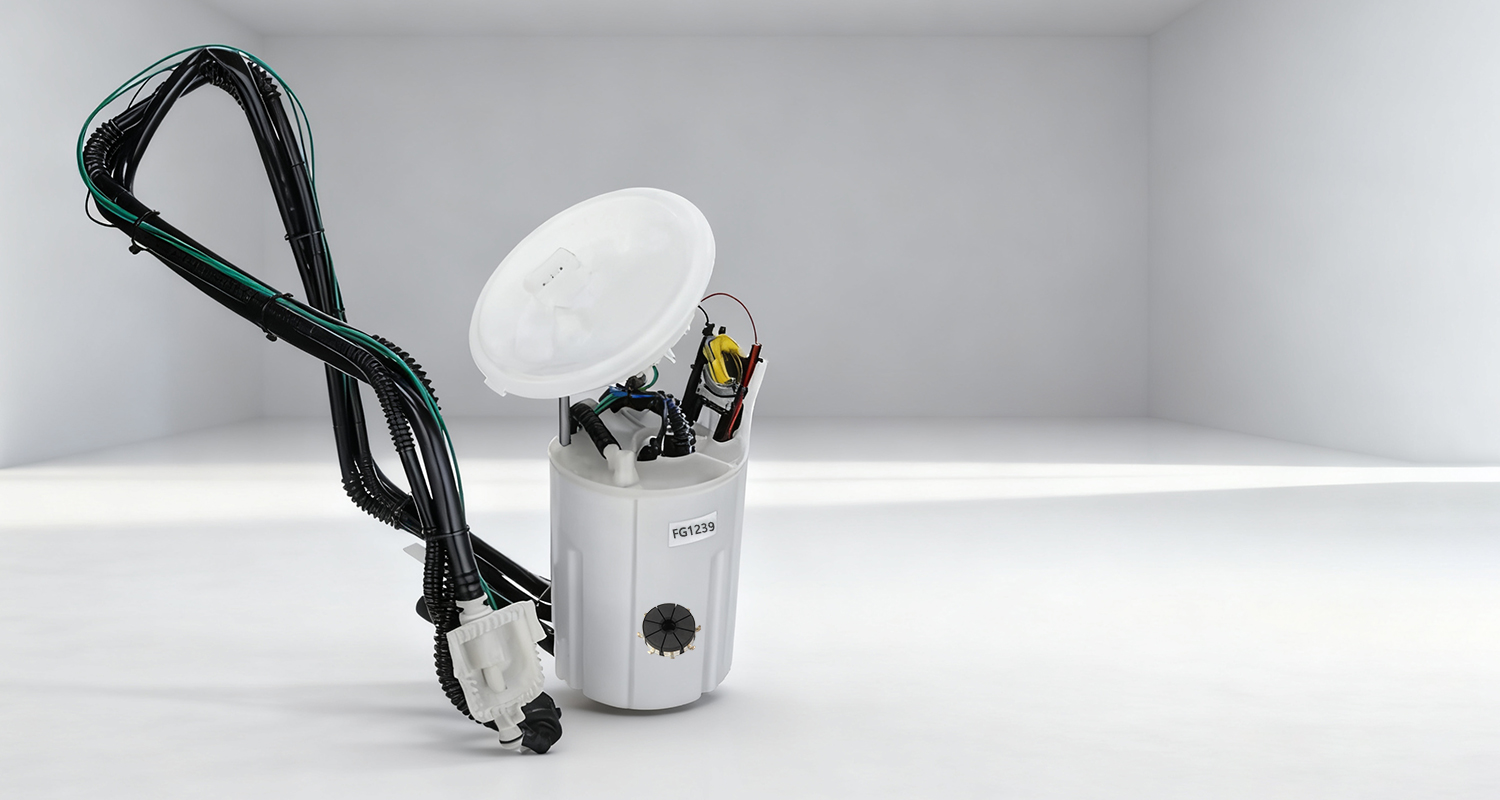
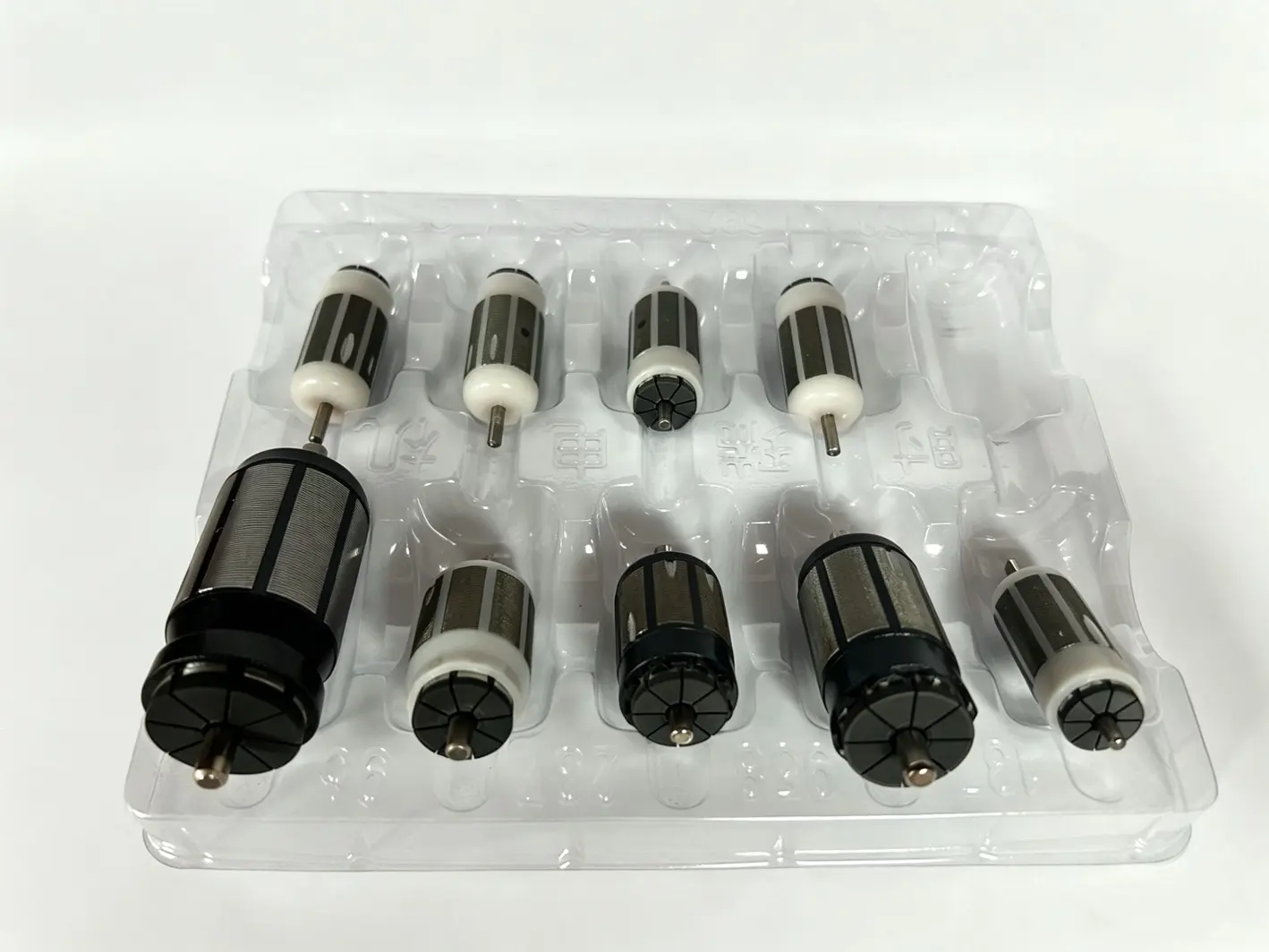
Japan’s automotive component ecosystem has historically represented the global gold standard for electromechanical reliability. Led by conglomerates such as Denso Corporation, Aisan Industry Co., Ltd., Mitsuba, Mikuni Corporation, and Keihin (now integrated under Hitachi Astemo), the development of in-tank electric fuel pumps has been intertwined with the relentless optimization of the internal combustion engine (ICE) and hybrid electric vehicle (HEV) architectures pioneered by Toyota, Honda, Nissan, Suzuki, and Mazda.
Historically, Japanese OEM fuel system procurement operated under tightly integrated keiretsu vertical networks. Component specifications, from the motor winding geometry to the commutator copper metallurgy, were tightly controlled within proprietary supplier clusters in Aichi, Shizuoka, Kanagawa, and Gunma prefectures. However, the global automotive paradigm shift toward electrification has induced significant structural changes in Japan’s domestic manufacturing base. Japanese Tier-1 manufacturers are actively reallocating capital expenditure away from legacy fuel delivery components toward inverter modules, thermal management systems, and electric traction motors.
Strategic Procurement Insight: As Japanese original equipment manufacturers redirect engineering resources toward electric vehicles (BEVs) and hydrogen powertrains, the ongoing maintenance of over 80 million internal combustion and hybrid passenger vehicles across Japan, alongside substantial global export fleets, has created an urgent demand for agile, certified manufacturing partners capable of delivering OEM-grade fuel pumps and commutators without excessive capital burdens.
Simultaneously, the Japanese domestic aftermarket (serviced through entities like Autobacs, Yellow Hat, and regional automotive wholesale cooperatives) is experiencing intensified pressure from escalating labor costs, facility depreciation, and currency volatility. Independent fuel pump rebuilders and replacement parts suppliers in Japan are increasingly decoupling from exclusive single-source domestic keiretsu contracts, turning to advanced Tier-2 manufacturing powerhouses that adhere rigidly to Japanese Industrial Standards (JIS) and automotive reliability standards (JASO).