What does a carbon commutator do in an electric fuel pump?
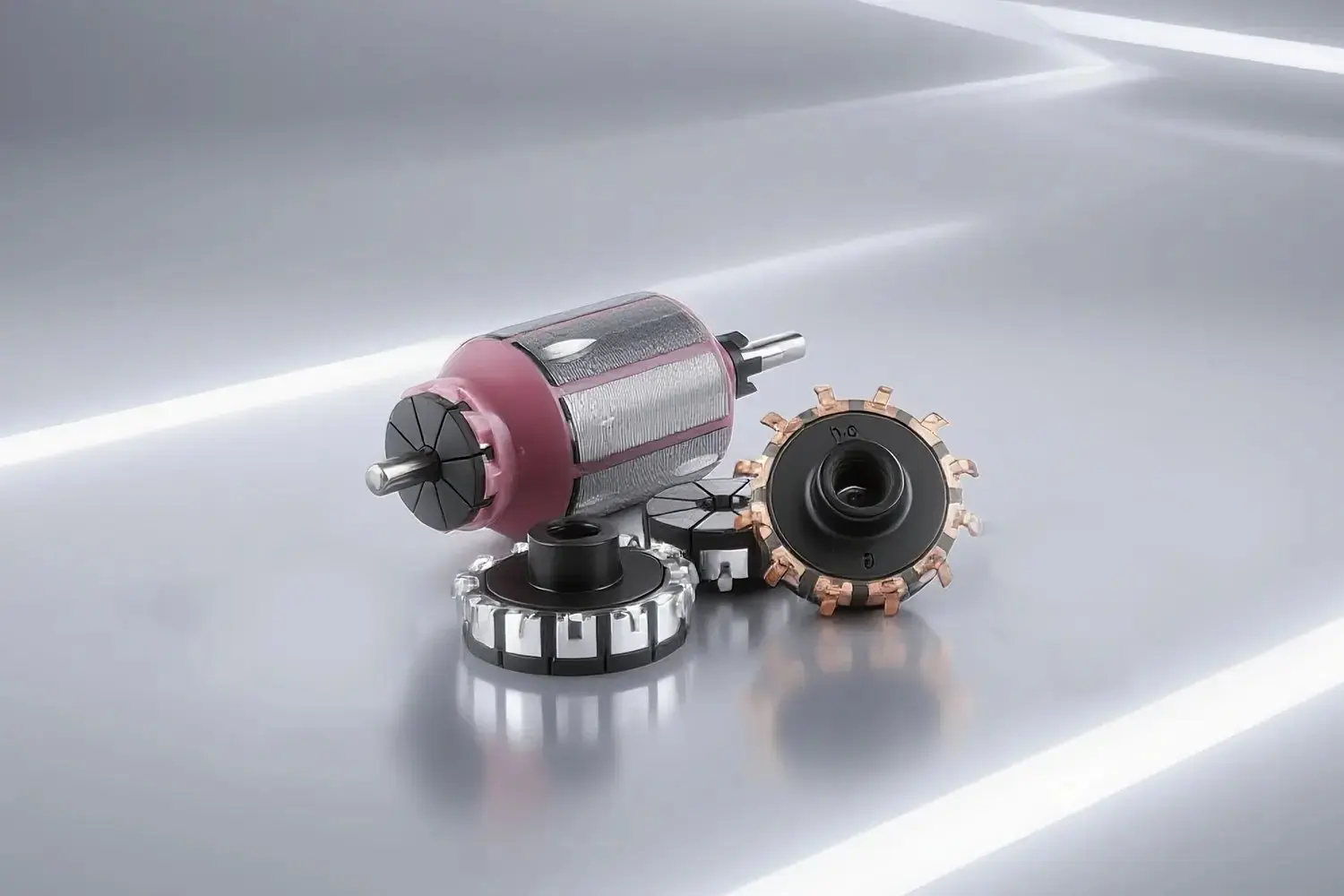
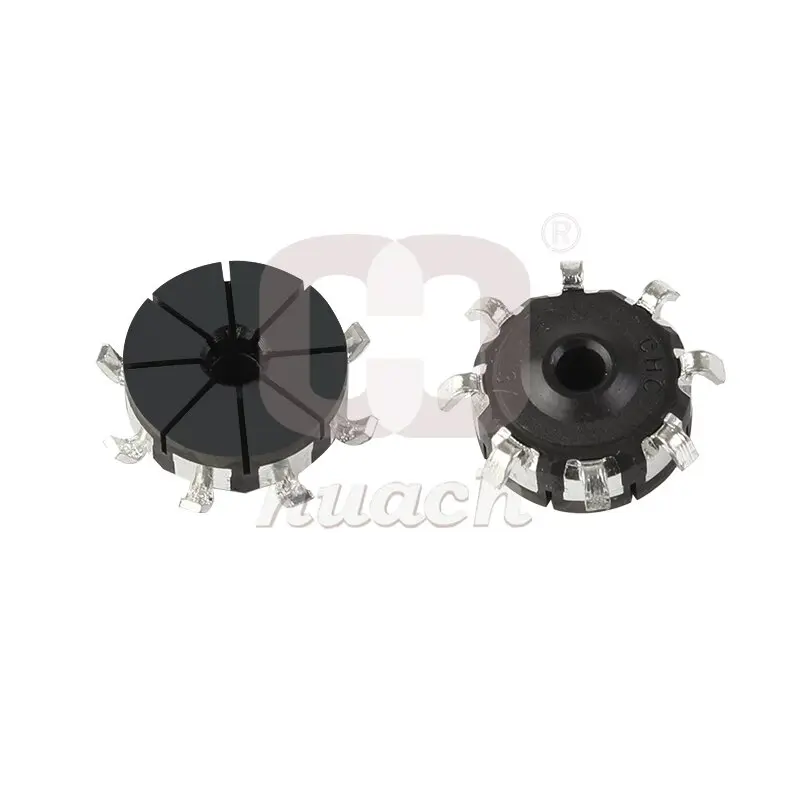
The commutator transfers current between the stationary carbon brushes and the rotating armature windings of the pump motor. By mechanically switching the direction of current in the coils as the rotor turns, it maintains unidirectional rotational torque. Because fuel pump motors run fully submerged in combustible hydrocarbon/alcohol fluids, the commutator's tribological friction, contact conductivity, and dimensional stability dictate fuel pressure constancy and overall pump operational lifespan.
Why choose a carbon (graphite) commutator over a copper commutator?
Electric fuel pump armatures operate immersed inside liquid fuel. Under modern fuel formulations—such as the standard E10 available at Czech petrol stations or high-ethanol E85—conventional copper commutators suffer from aggressive electrochemical oxidation, sulfur etching, and excessive spark erosion. Carbon-graphite composites feature self-lubricating qualities, eliminate copper-sulfur chemical reactions, drastically reduce arcing, and quadruple MTBF under harsh fuel environments.
Can Hualeao manufacture custom commutators to customer drawings or samples?
Yes. We offer complete custom OEM engineering services for European tier clients. By sending your CAD drawings (STEP, DWG), reverse engineering physical samples, or supplying OE reference numbers (Bosch, Denso, Delphi, Pierburg), our technical team will produce samples matching dimensional tolerances (within ±0.005mm), segment hook geometry, and custom carbon formulations for extreme environmental needs.
Which industries and vehicle classes utilize Hualeao fuel pump components?
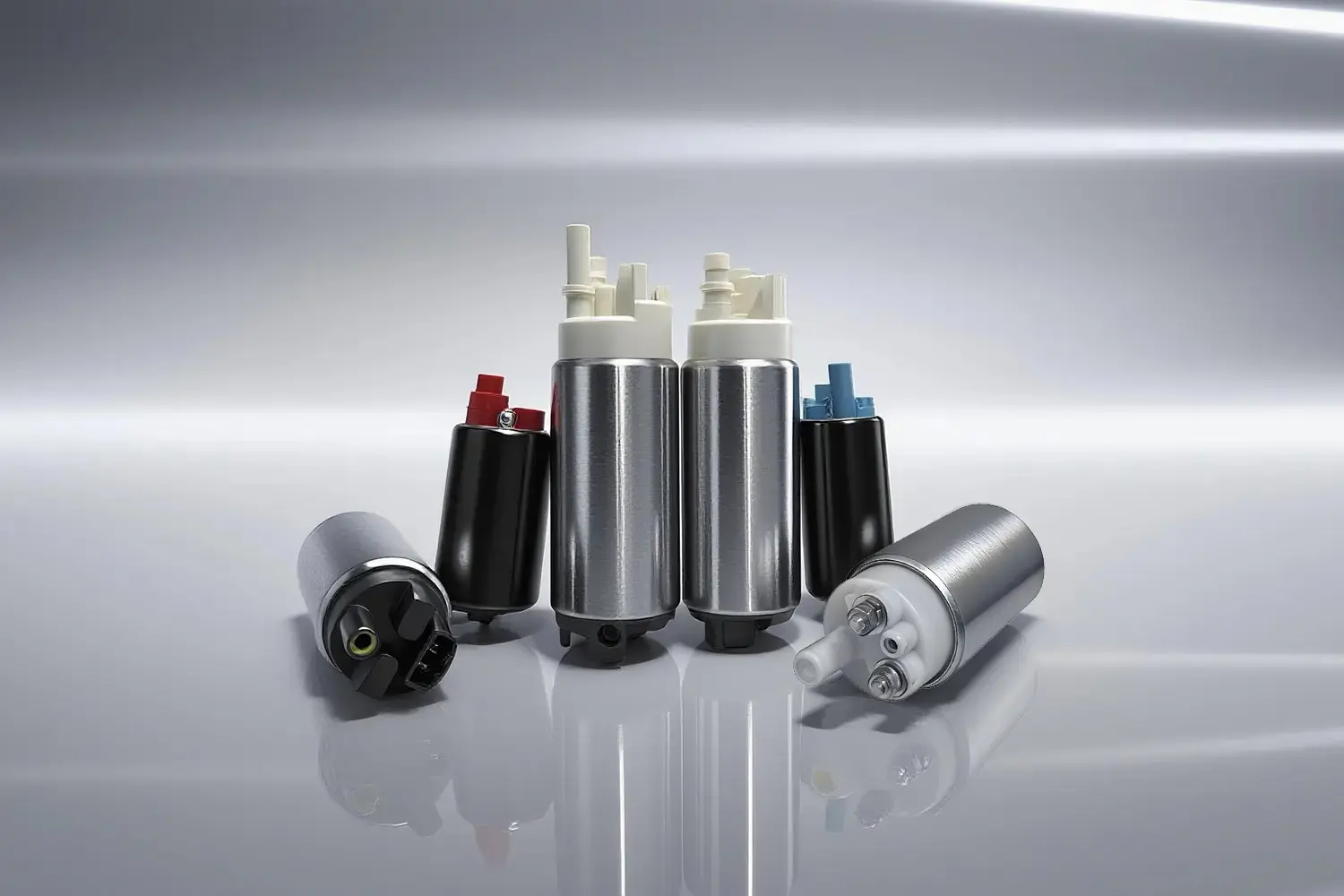
Our assemblies and commutators are integrated across automotive gasoline injection engines (passenger sedans, light commercial vehicles), high-speed motorcycle EFI systems, industrial agricultural machinery, heavy civil construction equipment (excavators, wheel loaders), and anti-corrosive marine powerheads requiring salt-spray endurance.
What are the logistics and lead times for shipments destined for the Czech Republic?
Standard production lead time ranges between 20 to 35 business days depending on volume and custom tooling requirements. Shipments are consolidated directly via ocean container to Hamburg/Rotterdam followed by bonded rail to Prague, or via express air freight (5–7 days) for critical aftermarket distributor replenishment.
How can I get a complete product catalog or request a formal quotation?
You can instantly submit your inquiry using the dedicated button below or contact our export engineering office directly at [email protected]. Provide your required part numbers, annual projected quantities, and target vehicle fitments, and our engineering desk will reply with CAD datasheets and volume price tiers within 24 hours.