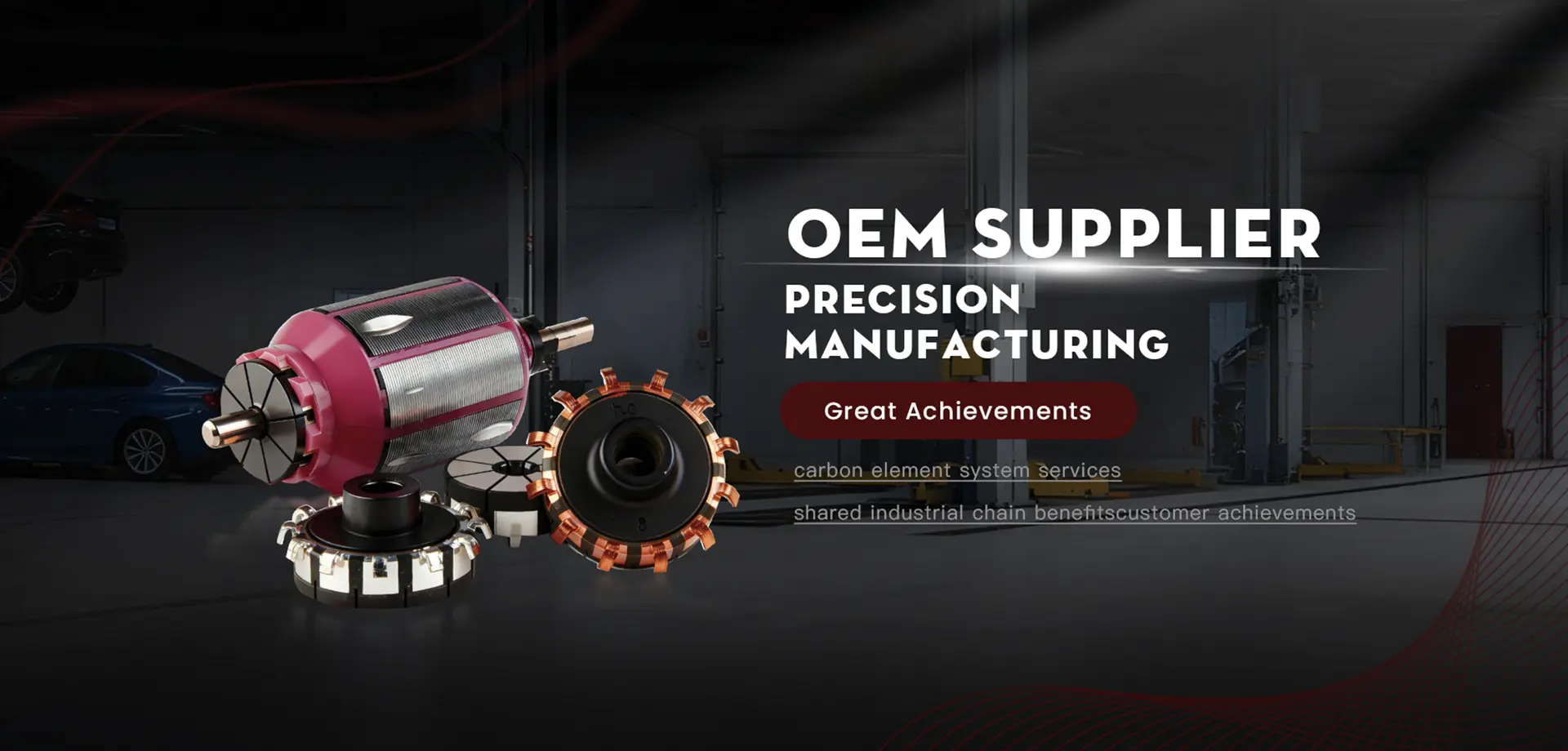
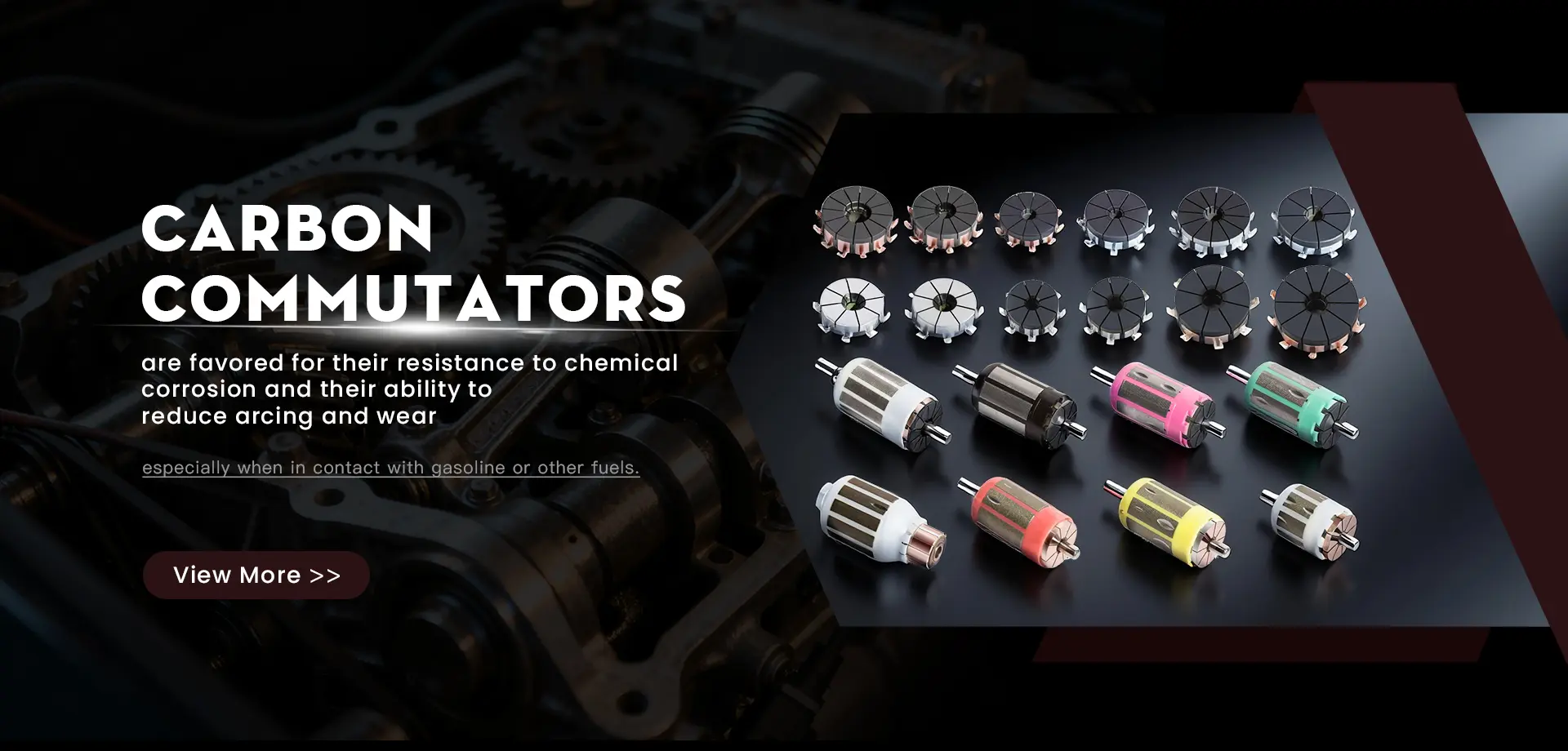
Delivering high-durability, ethanol- and methanol-resistant graphite commutators tailored for Mexico's booming automotive manufacturing corridors in Bajío, Monterrey, and Puebla.
Automotive EFI Fuel Systems & Commutator Assemblies for Mexico Tier-1 Assemblies
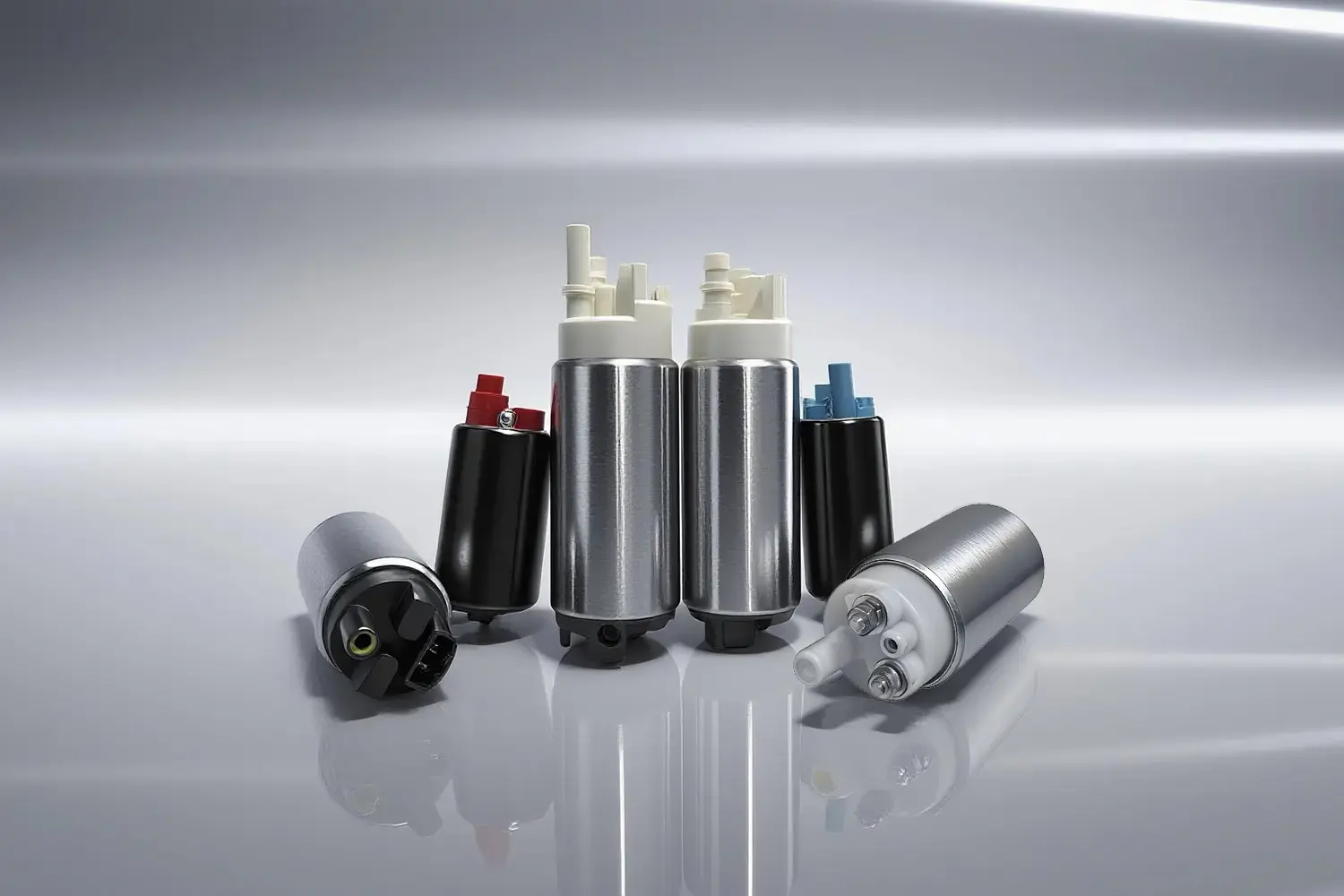
Precision engineered carbon and graphite commutators, micro-pump assemblies, and sensor solutions ready for Mexican OEM production lines and the fast-growing North American aftermarket.
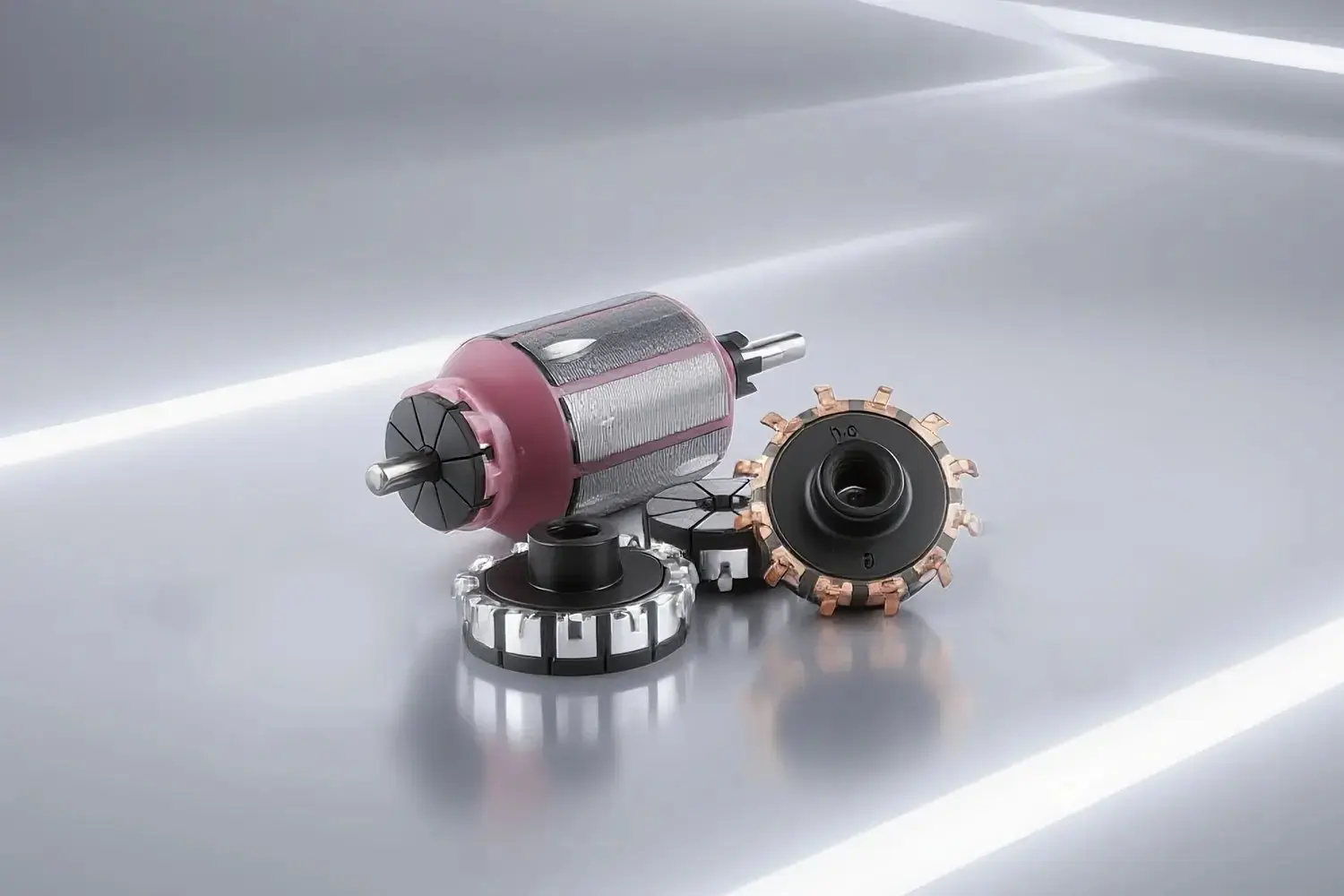
Carbon (graphite) disc and custom commutators for fuel-pump rotors, engineered with exceptional wear resistance, dynamic balancing, and smooth low-noise running.
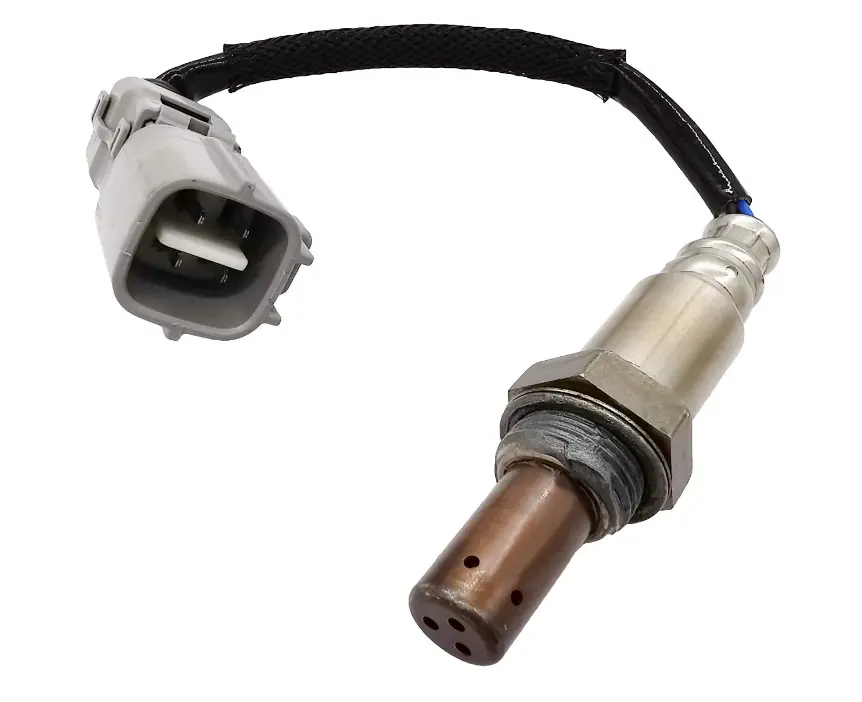
Zirconia-ceramic planar lambda sensors delivering precise air-fuel ratio telemetry to meet stringent Mexican NOM and US EPA emissions regulations with zero drift.
The proven HC-QZQE-049C carbon commutator standard widely integrated by leading Latin American motor rebuilders, fuel module makers, and Tier-1 sub-assemblers.
Benchmark PartHC-QZQE-049C
CompatibilityUniversal North American Platforms
EngineeringDrawing Customization Ready
Industrial Perspective
Mexico's Automotive Electrification & Fuel Systems Landscape
Analyzing the strategic demands of nearshoring, ethanol fuel penetration (NOM-016-CRE), and precision motor armature manufacturing across Mexican automotive industrial hubs.
The Nearshoring Boom: Bajío, Coahuila & Nuevo León Demand
Mexico is consolidating its position as the preeminent global automotive assembly hub outside of Asia. With automotive manufacturing accounting for more than 3.5% of national GDP and over 20% of manufacturing output, automotive parts clusters in Saltillo, Monterrey, Querétaro, Guanajuato, and San Luis Potosí face rapid supply chain transformation. Tier-1 and Tier-2 motor builders are continuously searching for precision components that satisfy stringent USMCA (T-MEC) durability parameters while guaranteeing competitive cost structures.
Electric fuel pumps in Mexico operate under punishing physical environments—ranging from the high-altitude conditions of the central Mexican plateau (Valley of Mexico at 2,240m) to the extreme desert heat and dust of the Sonora and Chihuahua border regions. Under these continuous operating conditions, traditional copper commutators undergo accelerated surface oxidation and high brush friction wear, necessitating a decisive transition to specialized graphite and carbon commutators.
Ethanol Blend Standard (NOM-016-CRE-2016) Challenges
Under Mexico's official fuel standard NOM-016-CRE, ethanol blending ratios up to E10 (10% anhydrous ethanol in gasoline) have expanded across domestic distribution. Ethanol acts as a dielectric stressor and polar solvent that strips copper commuter oxide films, triggering premature electrical erosion. Our high-density carbon commutators eliminate galvanic corrosion entirely.
Technical Comparison: Graphite vs. Conventional Copper in Latin American Fuel Conditions
Evaluation Parameter
Conventional Copper Commutator
Hualeao Carbon (Graphite) Commutator
Impact on Mexican Fleets & Rebuilders
Ethanol / Methanol Fuel Resistance
Poor; experiences rapid chemical delamination and catalytic degradation above E5
Chemically inert; engineered for E10, E25, and high-alcohol blends up to E85
Zero segment delamination, preventing premature fuel delivery pump stalls
Friction Coefficient & Brush Wear
High friction (0.35 - 0.45); requires abrasive brush interfaces
Complete resistance to fuel tank water contamination and marine salt vapor ingress
Direct China Factory Backbone
Engineering Capabilities Benchmarked Against Global Standards
Based in Ruian, Wenzhou—the capital of automotive electronics—Wenzhou Hualeao Automotive Parts Co., Ltd. bridges competitive Asian manufacturing power with international automotive tier specifications.
6,200m²
Dedicated Production & R&D Facility in Lianjiang Industrial Park, Ruian
50+
Specialized Motor Armature Engineers, Metrologists & Operators
10+
Industry Accreditations, National Energy Project Commendations & Patents
3,000+
Global Cooperative Enterprises, Rebuilders and Tier-2 Importers
National Energy-Saving Project Benchmark
Our proprietary EFI carbon commutator was recognized as a new-vehicle energy conservation and emission reduction project under China's 11th Five-Year Plan, verifying its structural superiority over legacy components.
Supply Chain Resiliency & Export Routing
Strategic raw material reserves of fine-grain electrographite and electrolytic copper allow consistent pricing and stable order lead times for delivery directly to Manzanillo, Lázaro Cárdenas, and Mexico City air terminals.
Full Drawing & Tooling Customization
Equipped with high-precision EDM, automated hook slotting, and optical measurement machines, we execute rapid prototyping within 15–20 days against OEM CAD prints, OE reference numbers, or physical armatures.
Localized Application Scenarios in Mexican Automotive Operations
From mass passenger transportation in urban centers to rugged agricultural machines in Sinaloa and Jalisco, our commutators perform where reliability is vital.
Intense Urban Fleets & Taxis
Taxis, ride-hailing fleets, and delivery vans navigating Mexico City, Guadalajara, and Monterrey operate in perpetual stop-and-go traffic with high in-tank temperatures. Our commutators resist fuel vaporization wear and prolonged idle heat.
Delivery Motorcycles & Mopeds
Two-wheeler micro-deliveries rely on high-revving fuel injection motors spinning up to 10,000 RPM. Our miniature carbon commutators offer precise segment indexing, ultra-low balance runout, and resilient electrical transfer in compact spaces.
Agricultural & Heavy Machinery
Harvesters and tractors in Sinaloa and Bajío often consume varied diesel and fuel blends under high particulate contamination. Hualeao components deliver reliable current switching without fouling or carbon-groove bridging.
Marine & Gulf Logistics
Operating along the Pacific and Gulf coasts, commercial vessels encounter salt mist and humid air that degrades fuel systems. Specialized resin matrices prevent moisture ingress across the copper core and carbon contact faces.
Trade & Compliance
Streamlined Procurement & Logistics Architecture for Mexico
Sourcing precision components from China directly into Mexican customs requires seamless documentary precision. We provide full technical dossier support to ensure seamless integration into automotive supply chains:
✔HS Code Harmonization: Specialized classification under HS 8503.00 (Parts for electric motors) and HS 8413.91 (Parts for fuel pumps) to reduce clearance delays at Manzanillo or AICM.
✔NOM Test Support: Material composition data sheets and flammability certifications compliant with Mexican Official Standards (Normas Oficiales Mexicanas).
✔Export Packaging Integrity: Vacuum packaging with desiccants and corrosion-inhibitor papers (VCI) to withstand 25-35 days of trans-Pacific maritime shipment without surface oxidation.
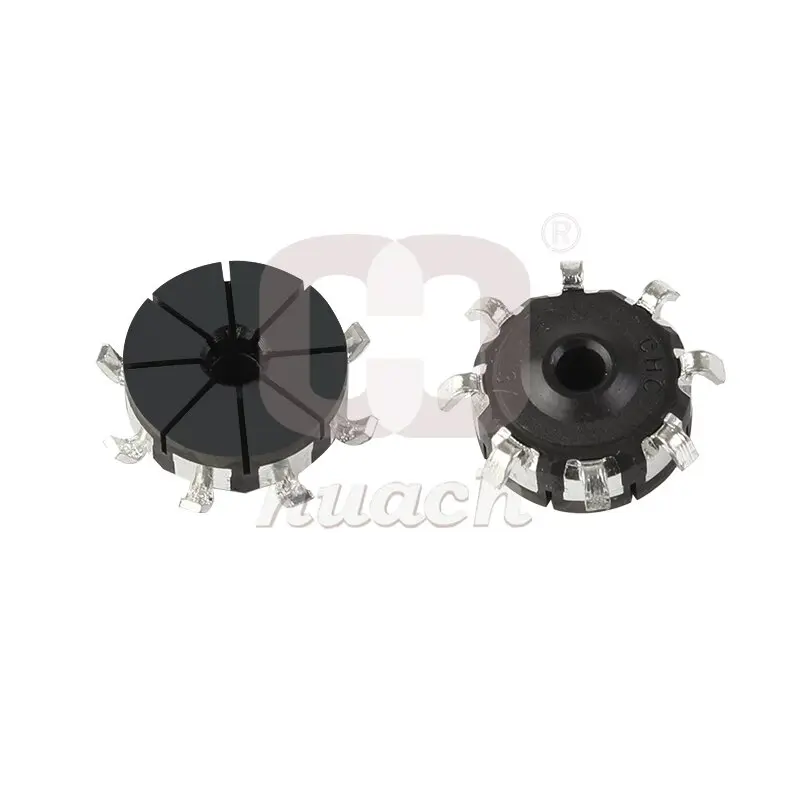
Planar disc-type carbon commutators for axial flux and tight-clearance in-tank fuel modules, providing minimal axial height and high torque efficiency.
ConfigurationFlat Face Disc
Hook Strength>150 N Pull Force
Manufacturing Integrity
Closed-Loop Precision Verification From Powder to Package
Every single batch of carbon commutators exported to Mexico is subject to end-to-end automated optical inspection (AOI) and comprehensive electrical testing. We maintain internal defect rates below 15 PPM:
1. Hot Isostatic Graphite Molding
High pressure sintering prevents micro-voids, guaranteeing isotropic electrical and thermal conductivities.
2. Copper-Carbon Mechanical Interlocking
Precision dovetail interlocking and specialized conductive adhesive eliminate delamination risks under 15,000+ RPM centrifugal loads.
3. 100% High-Voltage Dielectric Testing
Inter-bar insulation resistance is validated up to 500V DC with zero dielectric leakage across copper segments.
Technical Clarity
Frequently Asked Questions: Sourcing Commutators for Mexico
Addressing the core commercial, technical, and regulatory questions asked by Mexican procurement managers, pump remanufacturers, and global motor engineers.
What does a carbon commutator do in an electric fuel pump?
The commutator transfers current between the stationary brushes and the rotating armature windings of the pump motor. By mechanically reversing the current direction during rotation, it ensures continuous unidirectional rotational torque. Because the entire pump motor is submerged inside the fuel tank, the commutator's dimensional accuracy, surface smoothness, and material integrity dictate fuel pressure stability, motor acoustic footprint, and overall component lifespan.
Why choose a carbon (graphite) commutator instead of a copper commutator?
Fuel pump motors run submerged in fuel. In ethanol- and methanol-blended fuels, copper commutator segments are prone to severe chemical attack, electrolytic oxidation, and rapid mechanical scoring. Carbon (graphite) commutators are engineered to be chemically inert to alcohol fuels and feature self-lubricating properties. This dramatically lowers brush friction, suppresses radio interference (EMC), and extends the operational life of the electric fuel pump beyond 4,000 to 5,000 operating hours.
Can Hualeao produce commutators to my drawings or samples?
Yes. Custom engineering is our core competency. Our technical department works directly with customer 2D/3D CAD drawings (STEP, DWG, PDF), physical armature samples, or OEM reference codes. We verify segment count, outer diameter (OD), inner core diameter (ID), total length, hook geometries, and mica undercut depths, delivering rapid prototype samples for bench dyno verification within 2 to 3 weeks.
Which industries use Hualeao fuel pump components?
Our components are broadly applied across automotive gasoline engine fuel systems (passenger cars, commercial vans, flex-fuel vehicles), motorcycle EFI fuel systems, engineering and agricultural construction machinery (excavators, loaders, tractors), and marine inboard/outboard fuel systems for both OEM assembly programs and aftermarket component rebuilders worldwide.
How can I get a product catalog or technical data?
You can request technical data by navigating to our dedicated Request a Catalog page, clicking any "Send Inquiry Now" button on this portal, or emailing our engineering export desk directly at [email protected]. Our sales engineers typically reply within 12 working hours with dimensioned diagrams, material spec sheets, and cross-reference charts.
What are the typical lead times and maritime routes for delivery to Mexican ports?
Standard production lead times range from 20 to 30 business days depending on volume and customization tooling. We routinely ship sea freight via the Ningbo/Shanghai to Manzanillo or Lázaro Cárdenas corridor (approx. 22-26 days on water). For urgent assembly line requirements or sample runs, express air cargo via Mexico City (AICM) or Guadalajara (GDL) arrives within 5 to 7 business days.
How do Hualeao commutators address ethanol variations across Mexican retail fuels?
Retail fuel in Mexico can exhibit fluctuations in alcohol concentration and moisture trace content depending on refinery source and distribution terminal. Our carbon commutators use ultra-pure synthetic graphite combined with phenolic binding resins that exhibit zero dimensional swelling or chemical breakdown when exposed to volatile mixtures of gasoline, ethanol (E10 to E85), and water contaminants.
Elevate Your Fuel System Assemblies with Factory-Direct Engineering
Connect with Wenzhou Hualeao Automotive Parts Co., Ltd. for sample validation, complete technical CAD data, or high-volume OEM quotes serving the Mexican market.