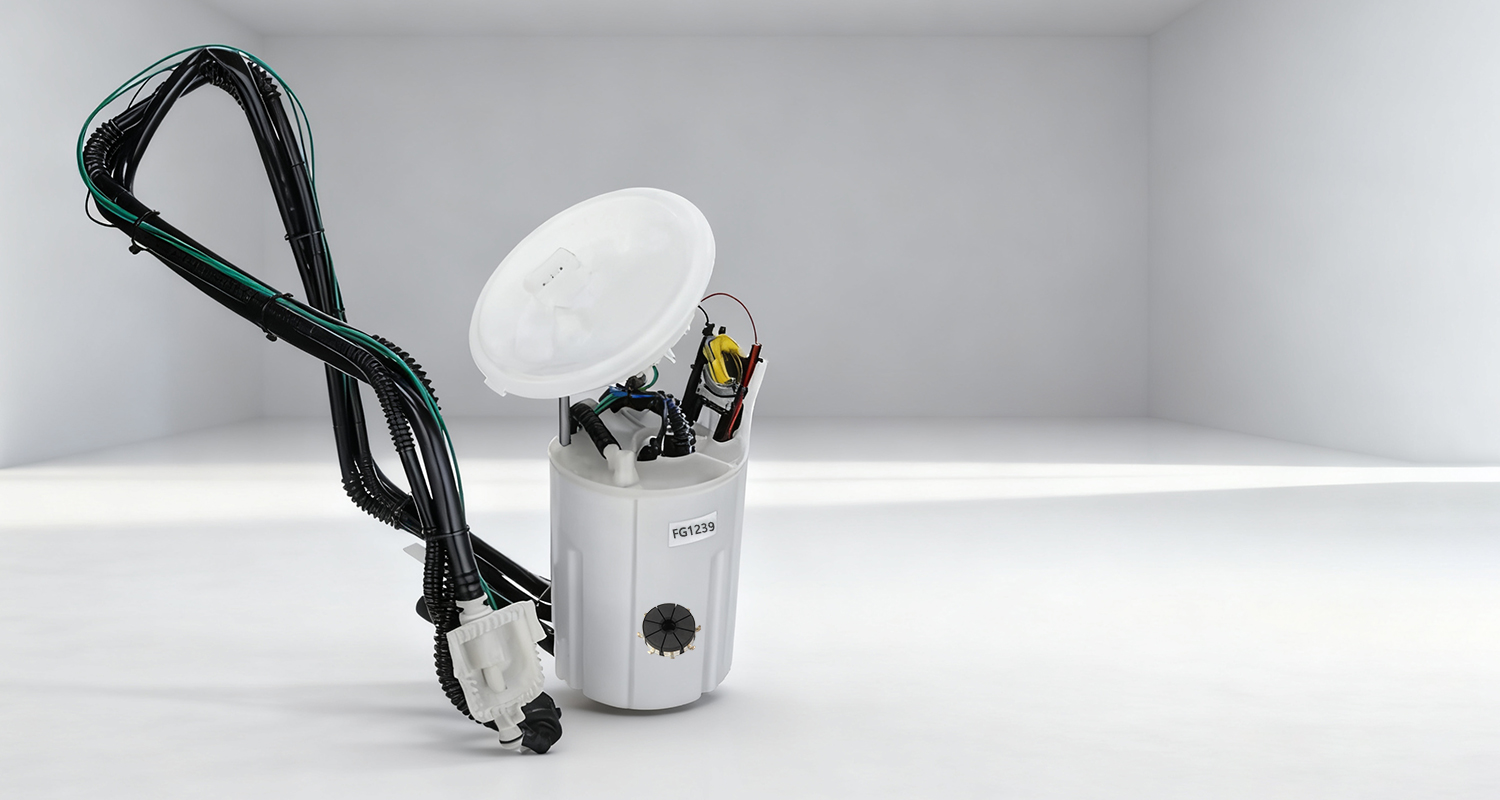
What does a carbon commutator do in an electric fuel pump?
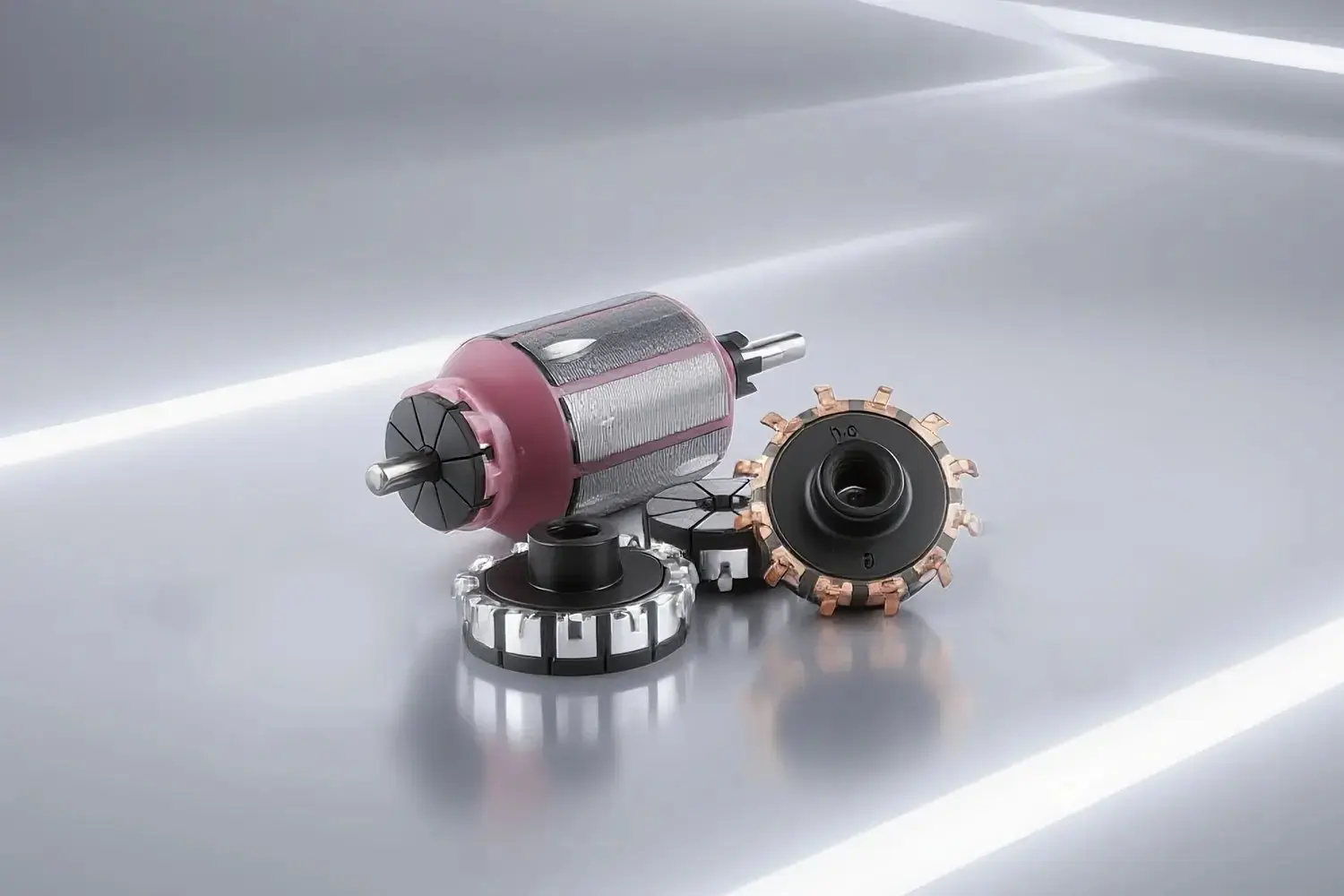
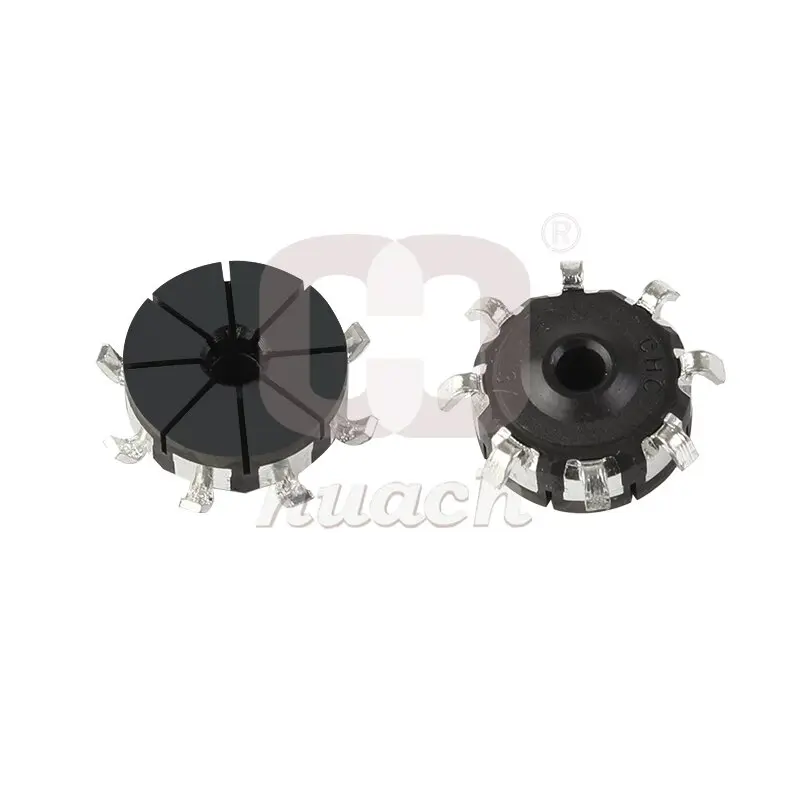
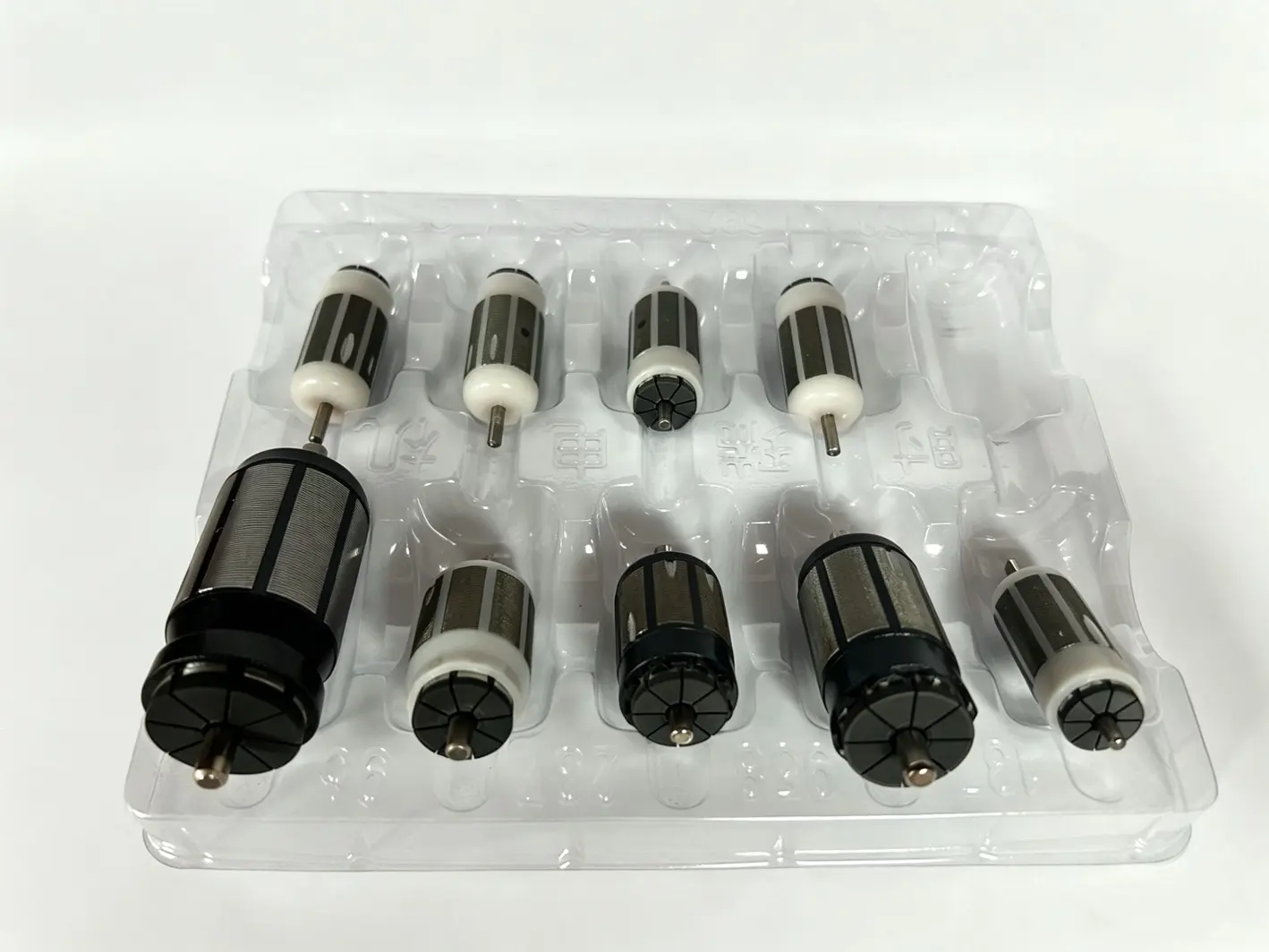
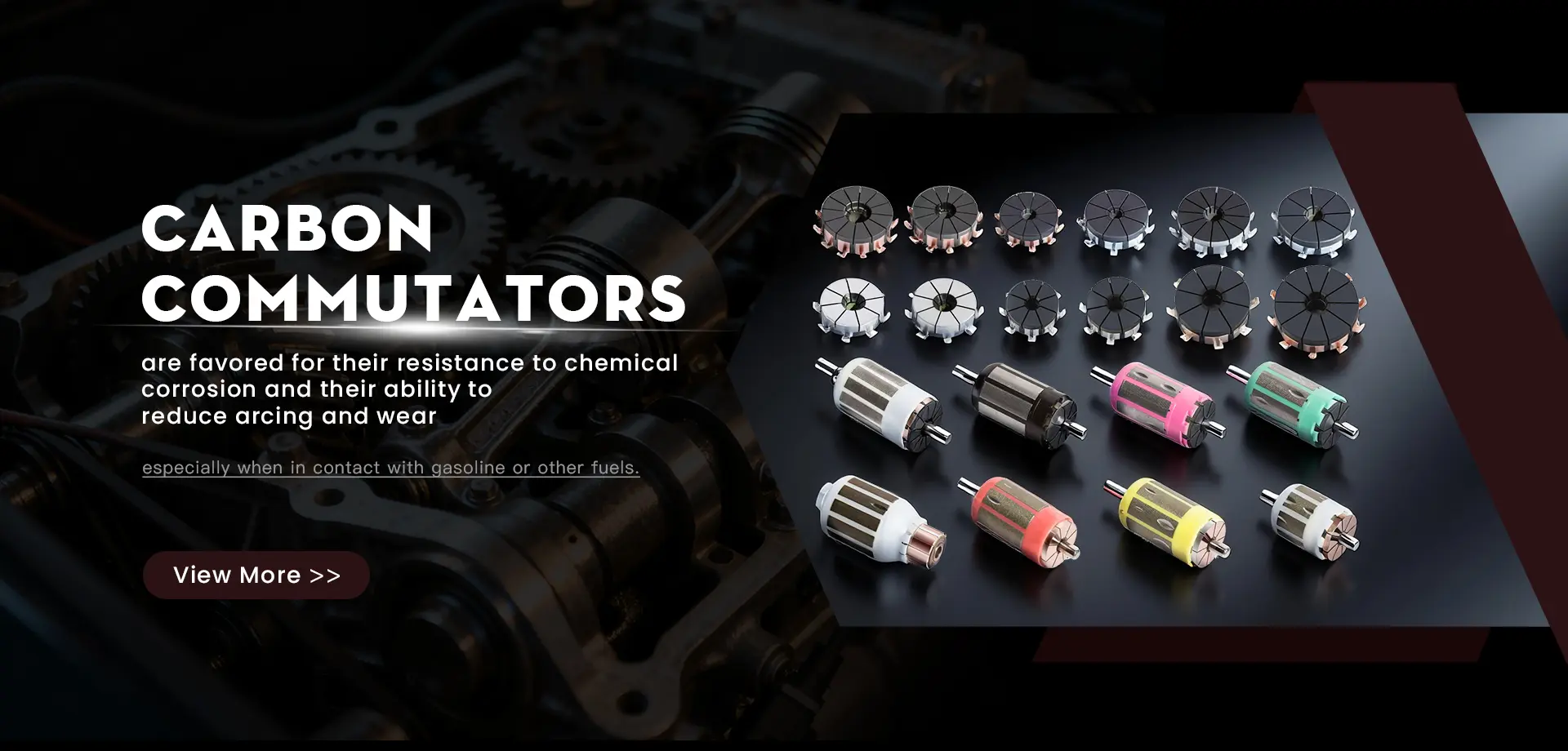
The commutator transfers electrical current between the stationary carbon brushes and the rotating armature windings within the submerged pump motor. By mechanically reversing the current direction during rotation, it ensures the armature continuously spins in a unified direction to generate consistent fuel pressure and flow. Material composition, concentricity, and dimensional precision directly dictate pump stability, fuel line pulsation, and overall motor operating life.
Why choose a carbon (graphite) commutator instead of a conventional copper commutator?
Submerged electric fuel pumps operate immersed directly in fuel. In modern fuel systems running ethanol or methanol mixtures (such as E10, E85, or Flex-Fuel), copper commutators undergo severe electrolytic pitting, galvanic oxidation, and rapid mechanical wear. Carbon (graphite) commutators are engineered with dense carbon matrices that naturally withstand corrosive alcohols, eliminate segment shorting, and extend pump lifecycle by up to 300%.
Can Hualeao manufacture commutators and pump parts to my custom drawings or physical samples?
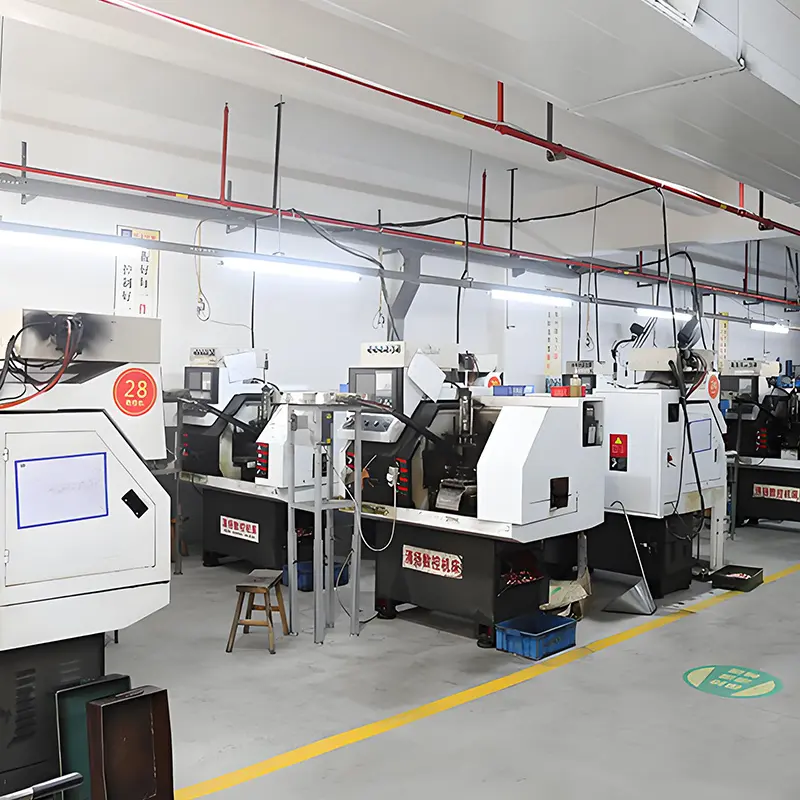
Yes. We possess dedicated tooling facilities and custom R&D engineering divisions. Send us your CAD blueprints (2D PDF/DWG, 3D STEP), physical samples, or OE reference numbers. Our technical team evaluates dimensional envelopes, segment configurations, hook/groove requirements, and material grades to supply custom production prototypes in standard turnaround times.
Which industries and vehicle applications use Hualeao fuel pump components?
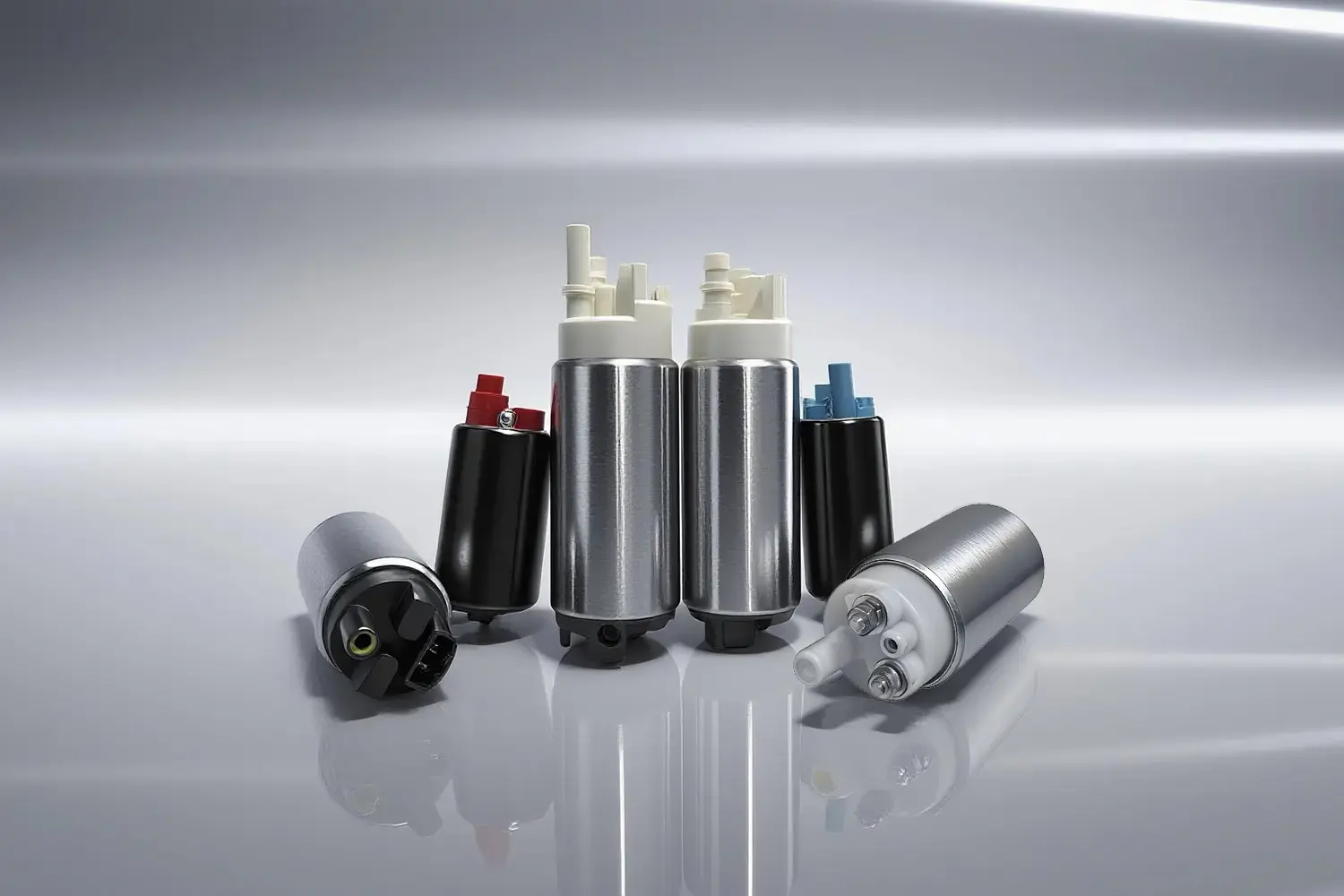
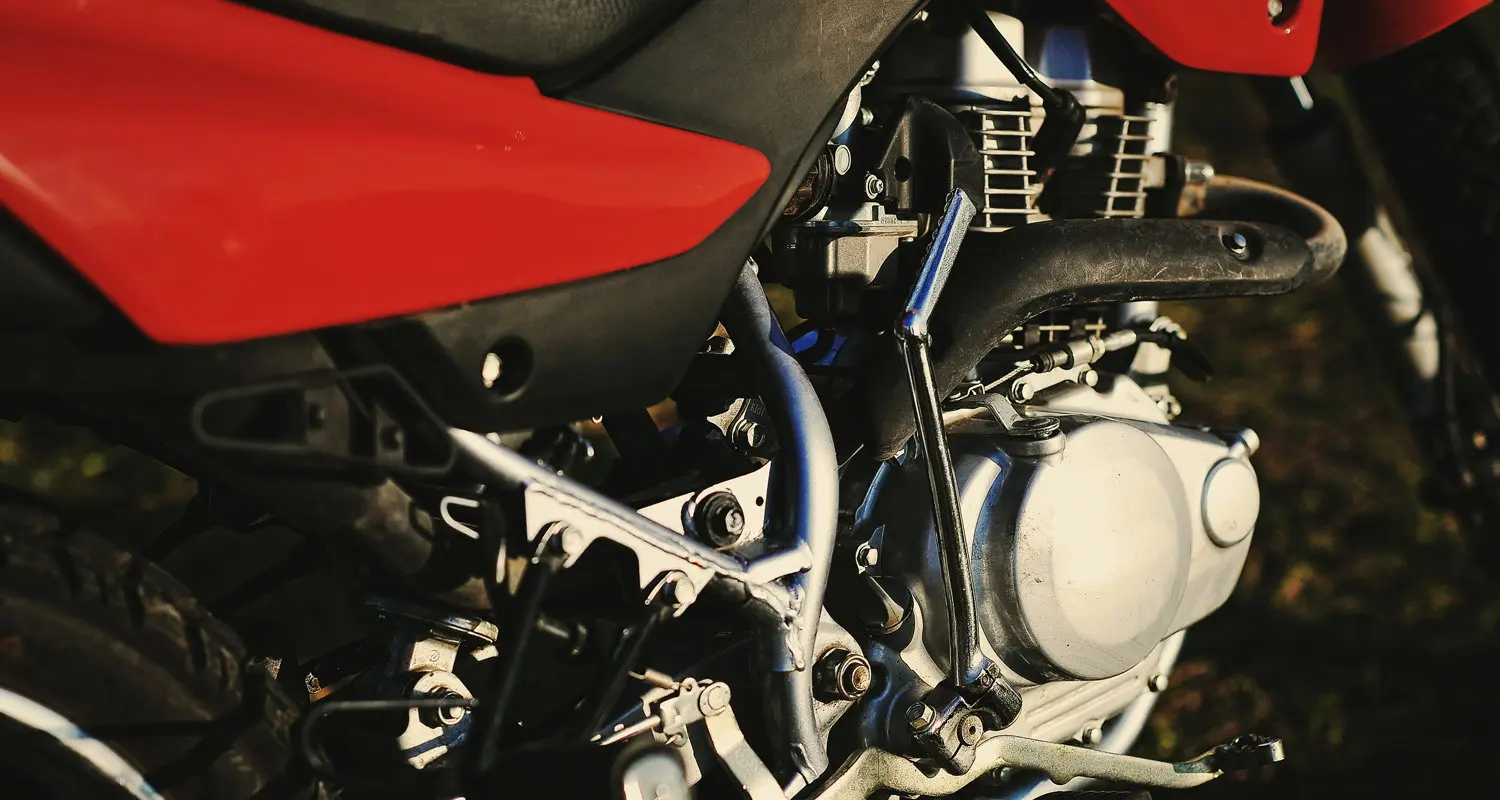
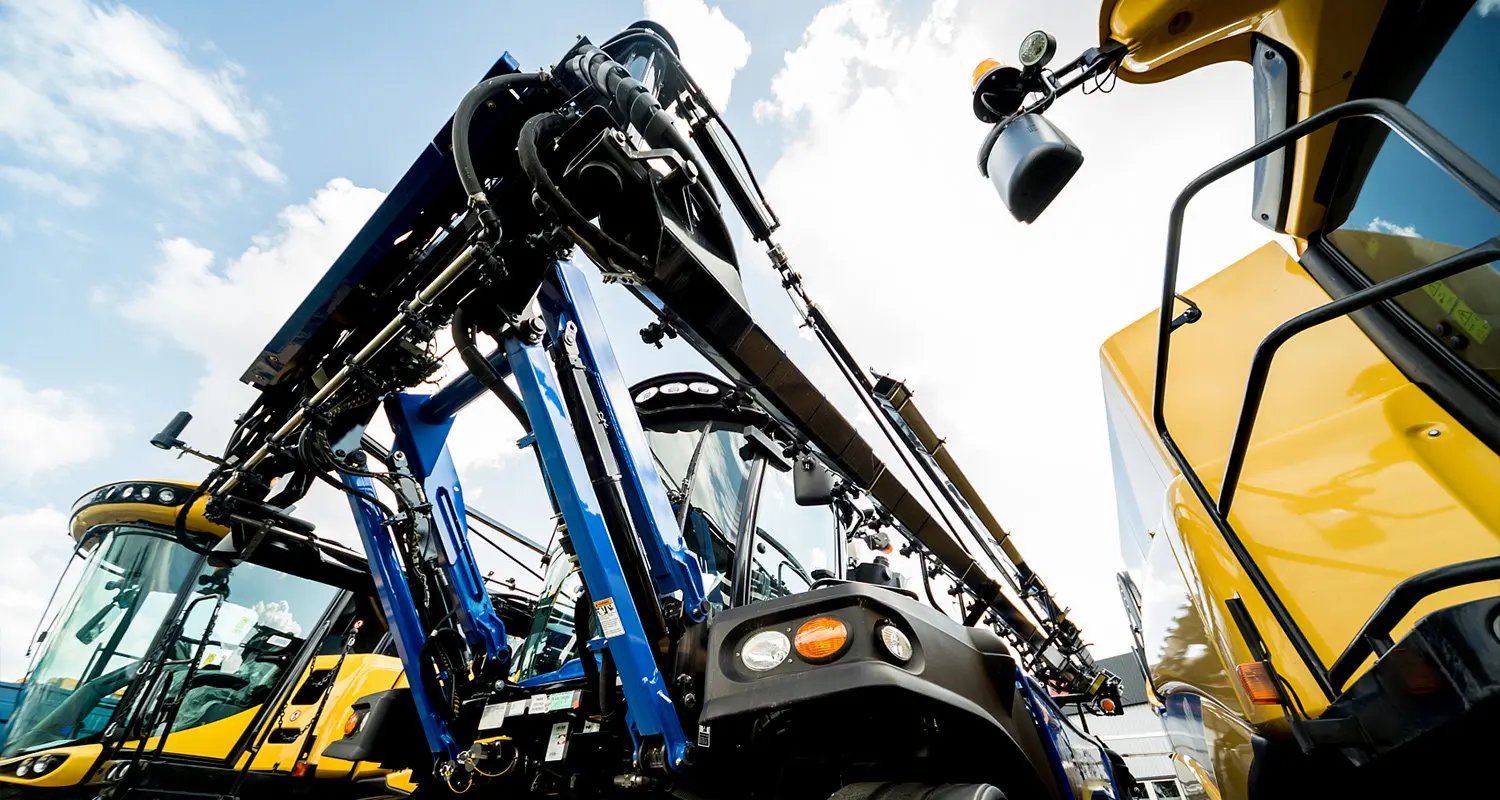
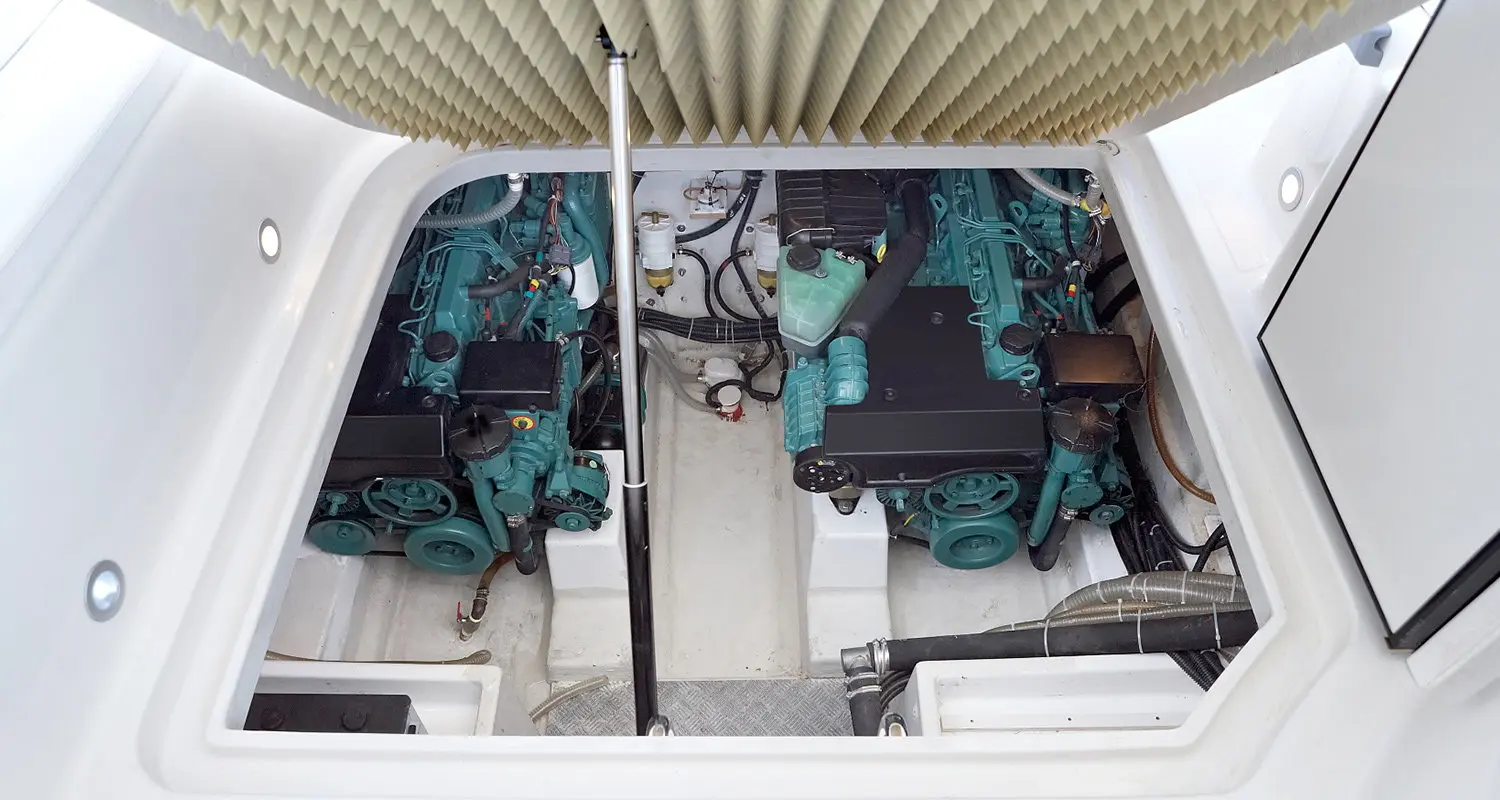
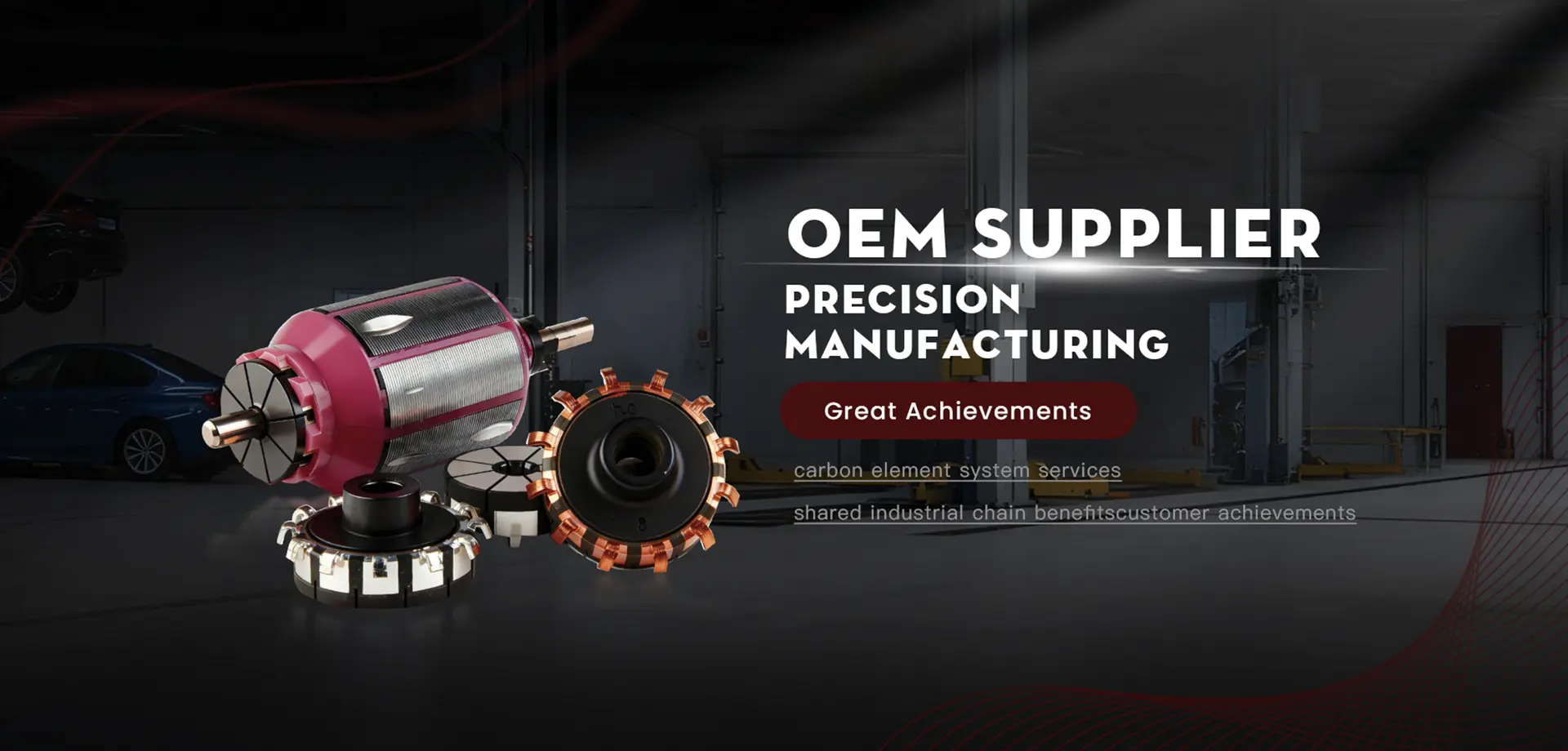
Our components are widely deployed across passenger automotive EFI engines, high-speed motorcycle injection platforms, heavy agricultural machinery, construction vehicles (excavators, loaders), and marine inboard/outboard systems. We support both high-volume OEM factory assembly and independent aftermarket wholesale networks worldwide.
What are the freight options and lead times for automotive buyers in Romania?
For Romanian clients, standard bulk shipments are routed via ocean freight to the Port of Constanța (approx. 28–35 days transit) or intermodal rail lines into Curtici/Bucharest. Urgent sample lots and time-sensitive spare part orders are dispatched via DHL/FedEx air freight to Henri Coandă International Airport (OTP) within 4–7 business days. We provide full customs clearance packages including EUR.1 and Certificates of Origin.
How can I get an official product catalog, 3D CAD models, or request a quote?
You can visit our contact page or email our sales engineering department at [email protected]. Provide your target part numbers, anticipated annual order volumes, and destination port. Our representative will reply with technical data sheets, cross-reference matrices, and FOB/CIF quotations within 24 hours.