
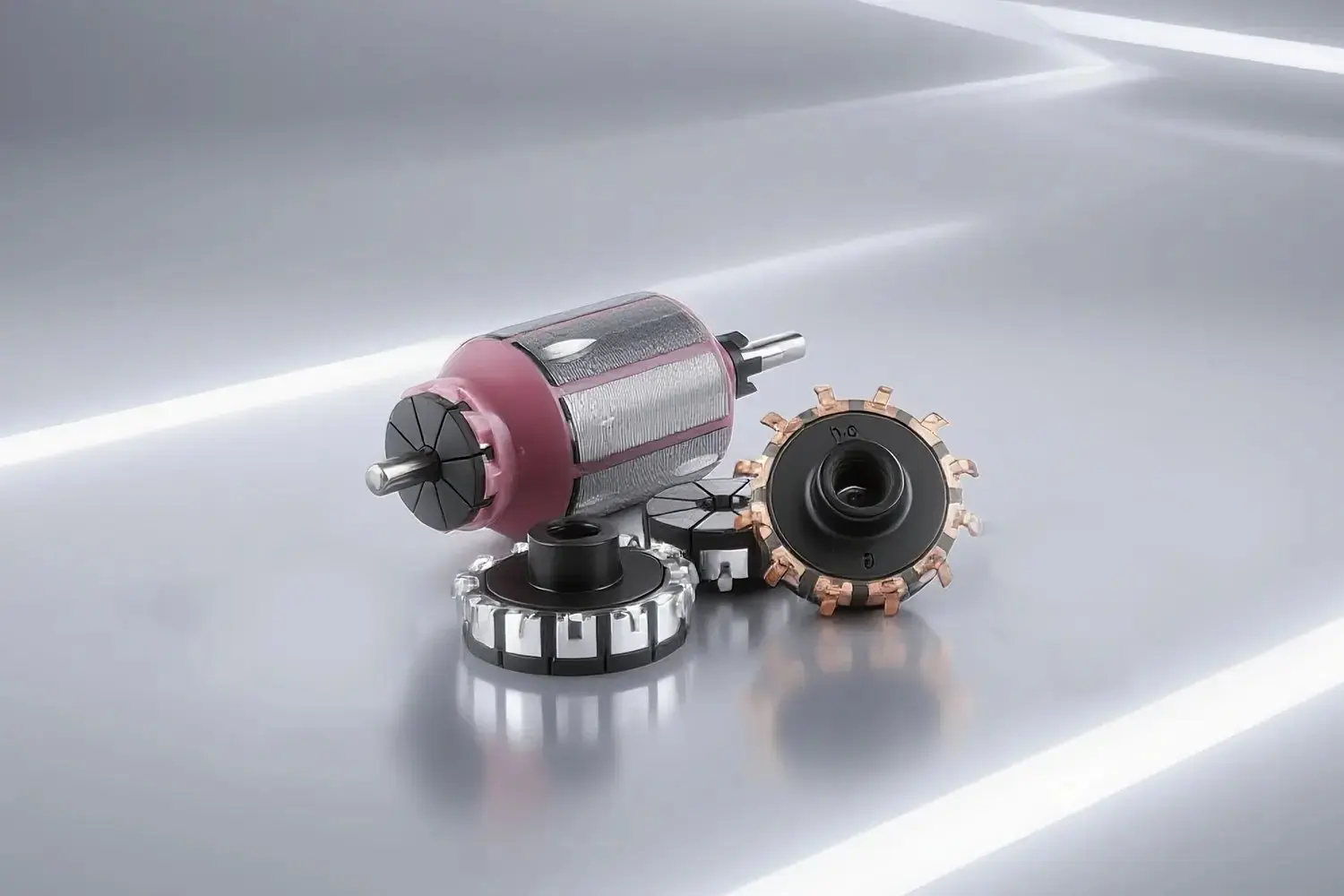
German-Spec Carbon Commutator
Engineered for ethanol, methanol, and biofuel compatibility, preventing surface erosion in high-stress European automotive armatures.
View SpecificationBenchmarked directly to match rigorous European OEM specifications, including ethanol-tolerant commutator cores, precision armatures, and fast-response wideband lambda sensors.
Engineered for ethanol, methanol, and biofuel compatibility, preventing surface erosion in high-stress European automotive armatures.
View Specification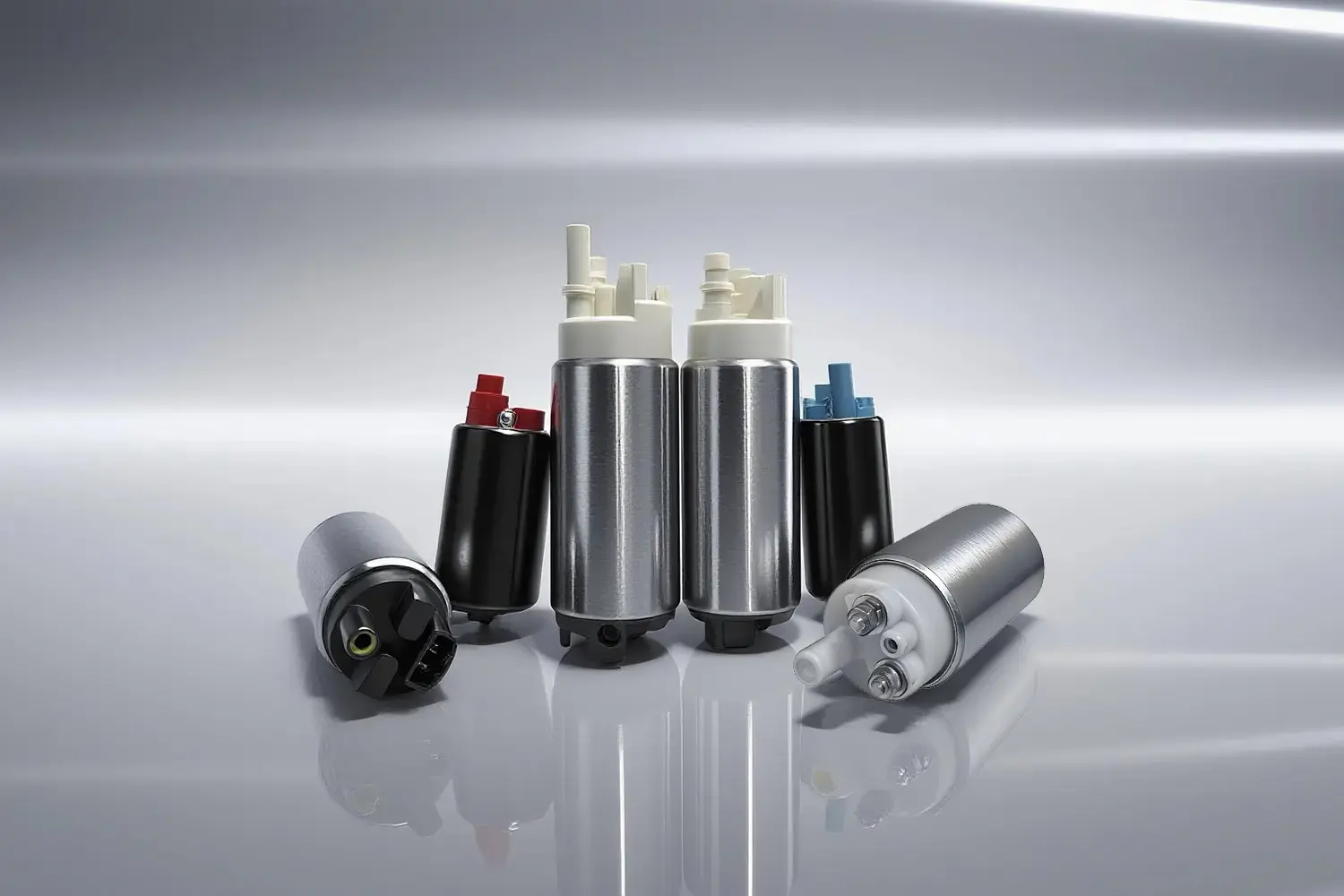
Dynamic-balanced rotor technology maintaining high-pressure fuel stability across continuous Autobahn high-duty cycles.
View Specification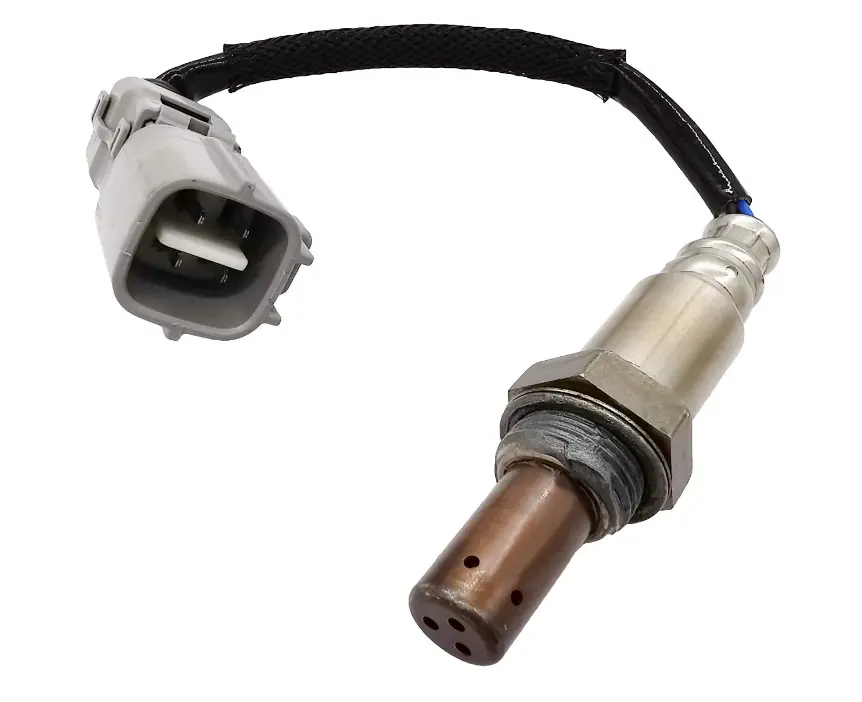
OE reference 89465-0E040 standard lambda sensor delivering microsecond ECU air-fuel stoichiometric data to comply with Euro 6/7.
View Specification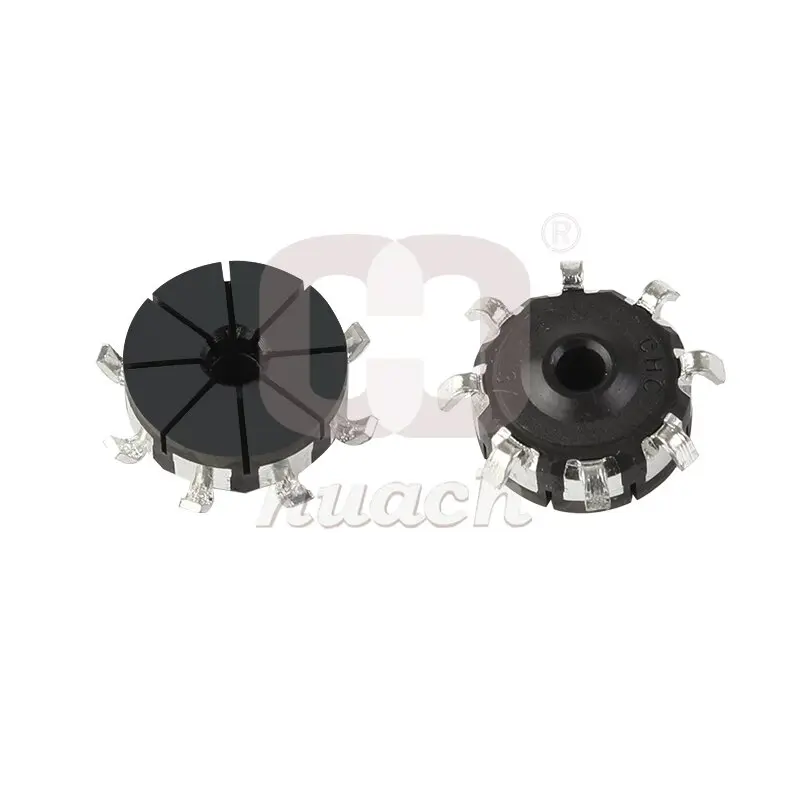
A flagship sintered graphite-copper interface component widely trusted by international fuel assembly repair networks.
View SpecificationUnderstanding the transition from classic Nernst zirconia thimble cells to high-frequency planar wideband arrays under strict European environmental legislation.
Germany stands as the benchmark center for powertrain optimization, guided by brands like Bosch, Continental, and major OEMs in Baden-Württemberg and Bavaria. Operating under the strict constraints of the Euro 6d-ISC-FCM and impending Euro 7 regulations, German automotive engineering requires oxygen sensors (Lambda-Sonden) to activate instantly upon engine cold start. Sensor ceramic bodies must withstand exhaust gas pulses reaching 950°C without signal drift or thermal fracture, demanding defect-free co-fired ceramic matrices.
While design IP frequently originates in Central Europe, the hyper-competitive global automotive aftermarket necessitates diversified, cost-effective manufacturing footprints without sacrificing IATF-aligned quality. Modern Tier-1 suppliers source multi-layer ceramic components and high-purity platinum electrodes from specialized manufacturing powerhouses like Wenzhou Hualeao Automotive Parts Co., Ltd., bridging high precision with lean, direct-from-factory volume scalability.
In contemporary automotive systems, the oxygen sensor evaluates real-time residual oxygen concentration in combustion effluents. A switching sensor produces a steep voltage change (0.1V to 0.9V) at lambda = 1.0. Modern wideband lambda sensors, however, utilize an electrochemical dual-cell planar structure: a Nernst concentration cell combined with an oxygen ion pumping cell. By driving oxygen ions into or out of a microscopic diffusion gap (10–50 µm), the electronic control unit (ECU) measures the exact milliampere current required to sustain balance, calculating precise lambda values across lean and rich operating regions.
How sensor manufacturers are re-engineering ceramic materials and micro-heaters to survive next-generation clean propulsion chemistries.
High-Temperature Co-fired Ceramics (HTCC) integrating integrated heating tracks, decreasing operational light-off time below 10 seconds to slash cold-start hydrocarbons.
Advanced anti-poisoning porous ceramic coatings engineered against silicone, lead, and engine oil sulfur vapor, maintaining precision over 160,000 km durability cycles.
Specialized electrode metallization and carbon commutator pairing to survive high water content and aggressive combustion byproducts in synthetic e-gasoline.
Pioneering broad-range oxygen/water-vapor differential sensing for hydrogen internal combustion engines (H2-ICE) working under extreme lean-burn regimes.
Tailored sensor solutions engineered to meet rigorous operating requirements across multiple German transport sectors.
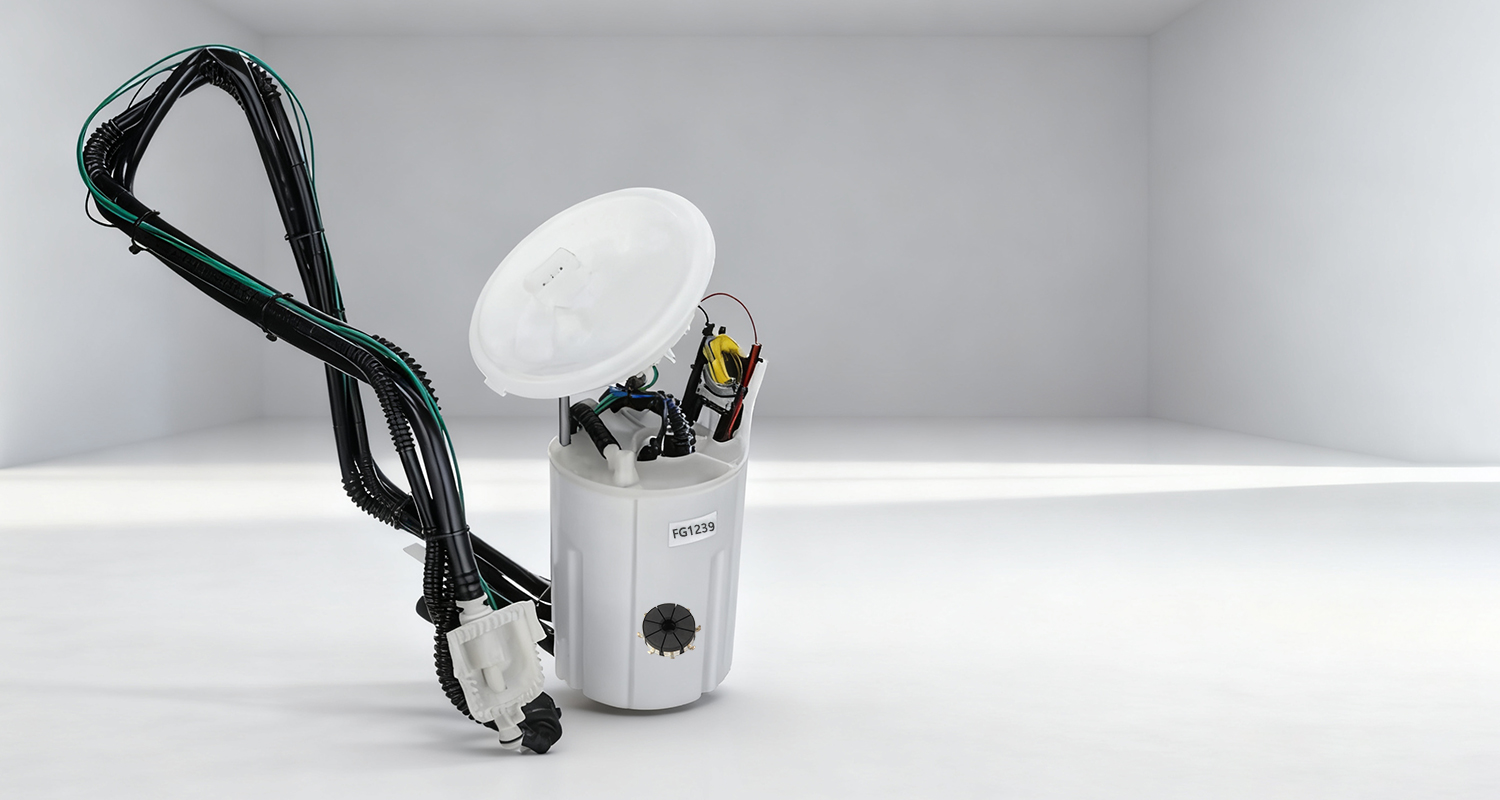
Direct fit for high-displacement turbo engines (VAG, BMW, Mercedes-Benz) demanding sub-second air-fuel compensation during aggressive acceleration.
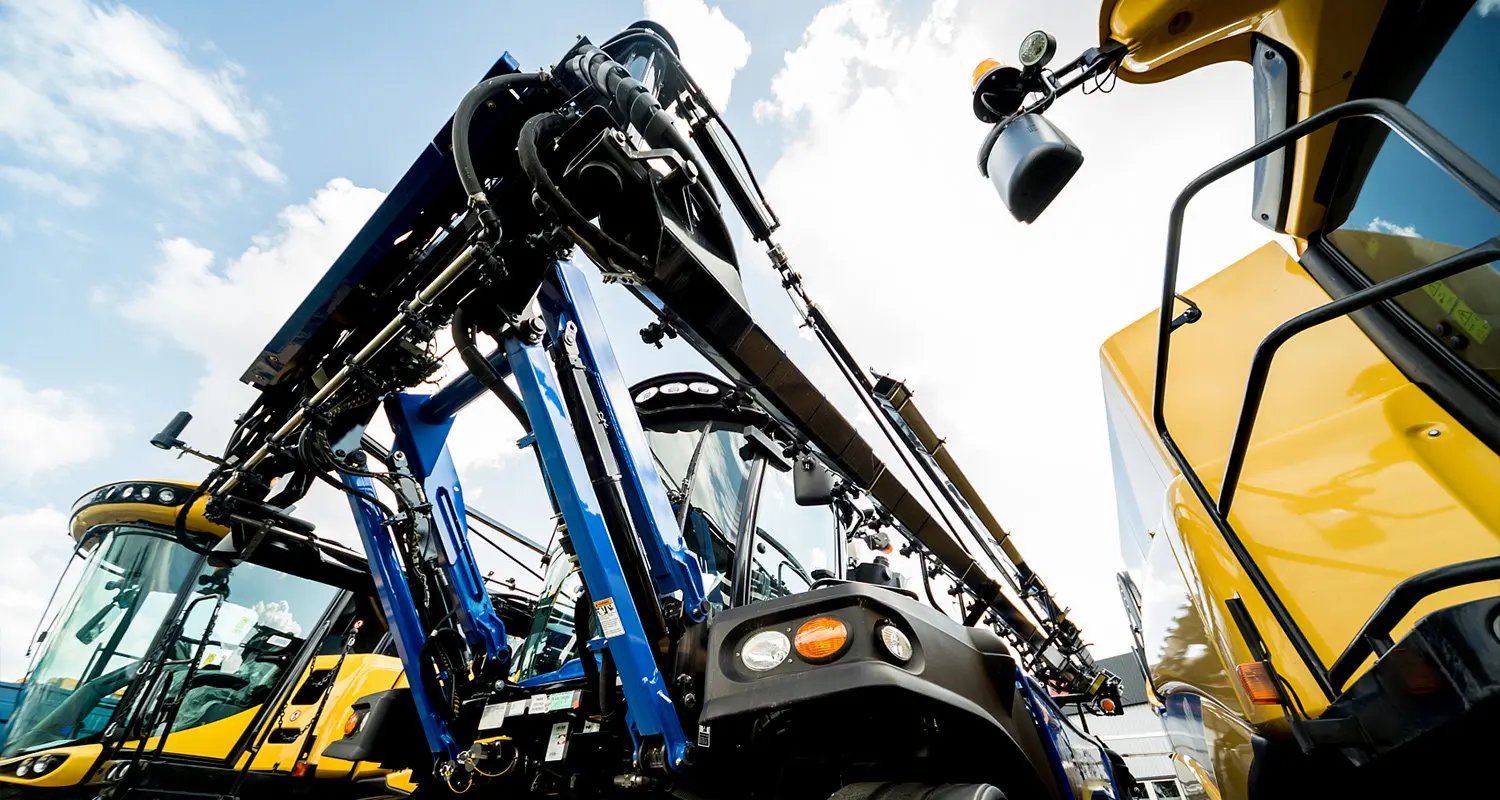
Reinforced dual-layer stainless protective thimbles for Liebherr, MAN, and Daimler Truck applications exposed to high shock and vibration.
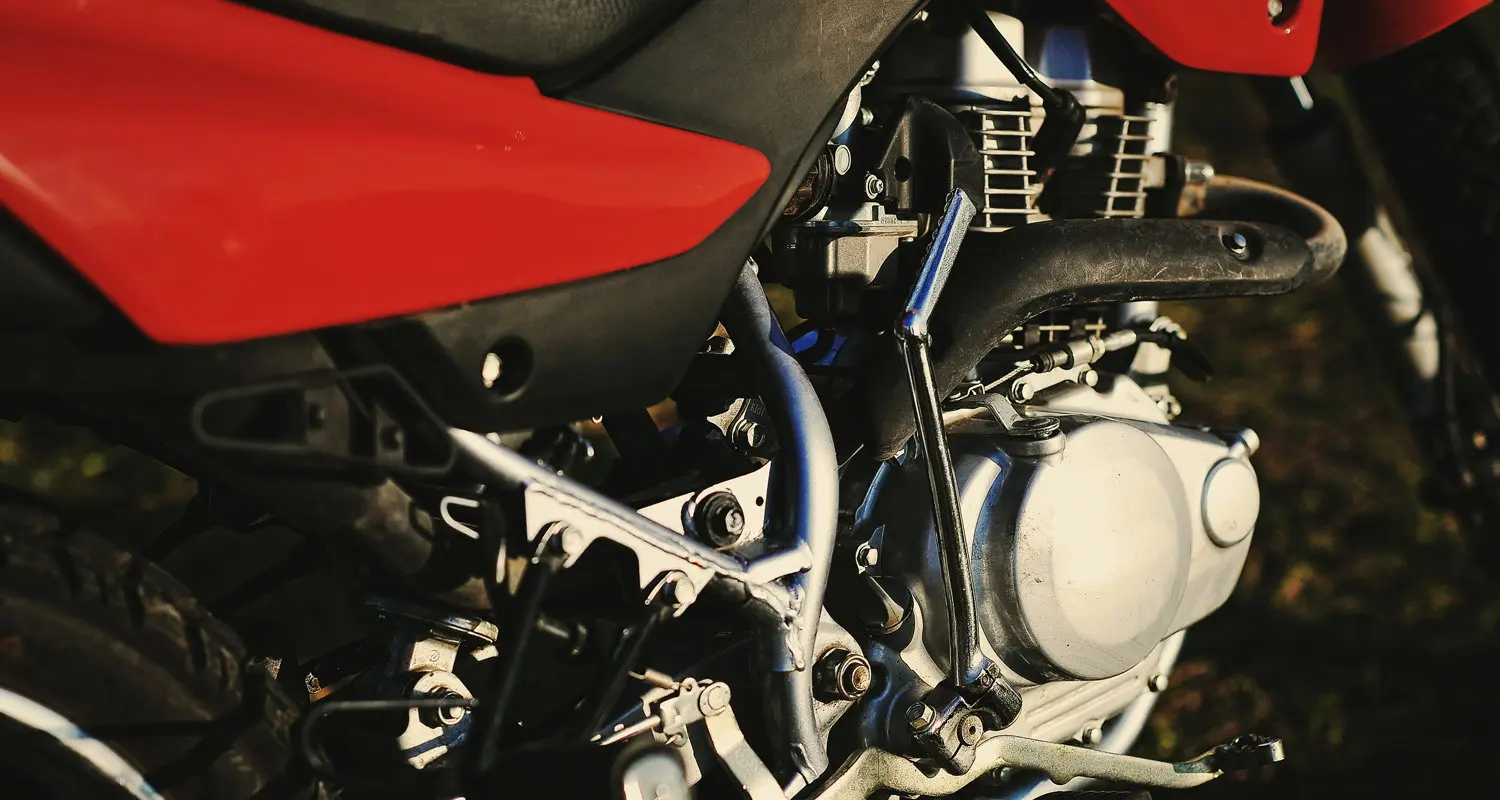
Compact lambda probes tailored for performance motorbike platforms like BMW Motorrad requiring ultra-fast sensor feedback in compact packaging.
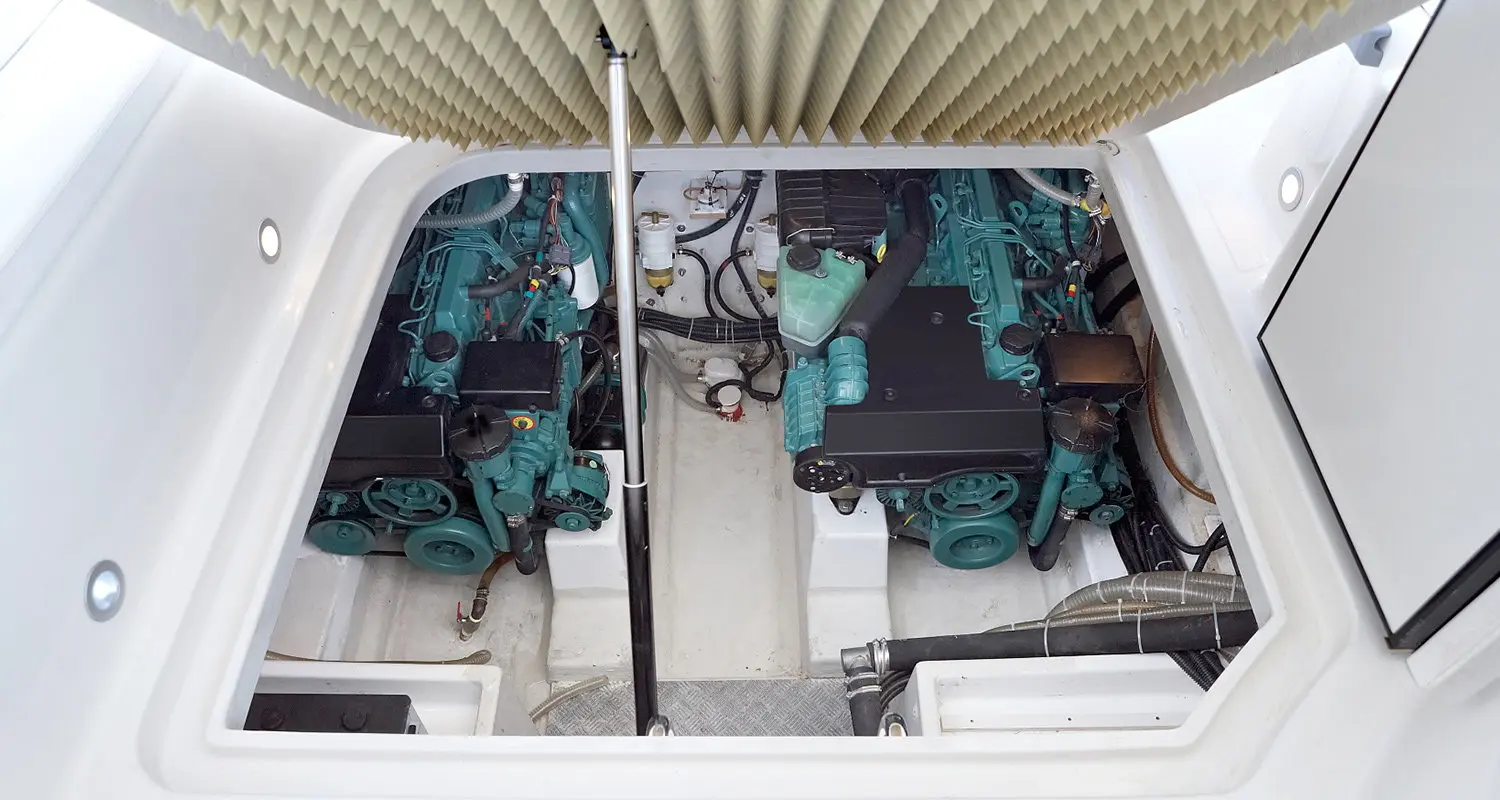
Corrosion-resistant outer shells and specialized sealing gaskets designed to protect ceramic elements against corrosive Baltic and North Sea salt atmospheres.
Why fuel delivery components and exhaust oxygen sensors cannot be engineered in isolation.
Accurate exhaust gas telemetry from an oxygen sensor is useless if the electric fuel pump fails to supply stable volumetric rail pressure. A worn copper commutator creates sparking, ripple currents, and fuel pressure fluctuations, resulting in artificial lean spikes at the lambda sensor and forcing erroneous ECU trim corrections.
With Europe pushing E10 and higher synthetic bio-alcohol ratios, conventional copper-face armatures deteriorate rapidly due to ionic fuel conductivity. Hualeao’s carbon (graphite) commutators eliminate spark erosion and chemical pitting, ensuring the mechanical fuel pump and electronic O2 sensors work in harmony.
We supply German buyers with verifiable data: leak tests, thermal endurance (-40°C to +950°C), response rise-time analysis, and terminal resistance checks. Sourcing both carbon commutators and sensor arrays from a single engineering authority reduces supply friction and warranty overhead.
Technical clarifications addressing quality conformity, drawing-based prototyping, and international logistical capabilities.
The upstream oxygen sensor (pre-catalytic converter) is positioned before the catalyst and provides rapid, real-time closed-loop feedback to the ECU for air-fuel mixture adjustment. It is typically a wideband (broadband) sensor capable of reading across lean and rich lambda ranges. The downstream sensor (post-catalytic converter) acts primarily as a catalyst monitor, operating as a narrowband switching sensor to verify catalytic reduction efficiency.
Our manufacturing utilizes automated HTCC ceramic stacking, high-purity platinum paste screen-printing, and laser trimming to guarantee tight resistance tolerances in micro-heaters. Every sensor batch undergoes continuous atmospheric testing, simulating real exhaust gas conditions to verify response light-off time, voltage transitions, and mechanical hermetic seal integrity.
The commutator transfers current between the brushes and the rotating armature of the pump motor and reverses current direction in the windings, so the motor keeps turning in one direction and delivers steady fuel flow. Its material, contact quality, and dimensional accuracy directly affect pump stability, hydraulic pressure, and overall operational service life.
Fuel pump motors run submerged in fuel. In ethanol- and methanol-blended fuels, copper commutator segments are prone to corrosion and accelerated electrical spark wear. Carbon (graphite) commutators are engineered to resist ethanol, methanol, and chemical corrosion, helping fuel pumps maintain stable performance over a significantly extended service life.
Yes. We provide customized design solutions and dedicated technical support. By sending your drawing, physical sample, or OE reference number, our engineering department will verify thread specifications, ceramic length, harness wiring pinouts, and internal resistance ratings to guarantee exact drop-in fitment.
Our components are widely deployed across passenger vehicle electronic fuel systems, motorcycle engine fuel circuits, heavy construction machinery, commercial fleet transport, and marine engine platforms for both OEM production and high-volume aftermarket distribution.
You can use the contact button on this page or directly email our export division at [email protected]. Our technical team delivers 2D/3D CAD models, cross-reference matrices, and full test certificates within 24 business hours.
Precision-manufactured fuel injection and exhaust regulation assemblies available for immediate OEM sampling and bulk supply contracts.
Precision-engineered graphite commutators designed for high transmission accuracy and silent, spark-free electric operation in fuel tanks.
Explore Model Range
High-pressure direct-fit EFI fuel pumps equipped with dynamic-balanced armatures for low noise and extended runtime.
Explore Model Range
Standard and wideband lambda sensors supplying instant exhaust air-fuel ratios to ensure clean combustion and catalytic protection.
Explore Model Range
Our fastest-moving aftermarket components, including the HC-QZQE-049C model favored by rebuilders worldwide.
Explore Model Range
Bespoke disc and segment commutator variants customized to target dimensional drawings and high-temperature motor limits.
Explore Model Range
Reinforced electric fuel pump cores built for tough duty cycles, harsh vibrations, and broad operational temperature swings.
Explore Model Range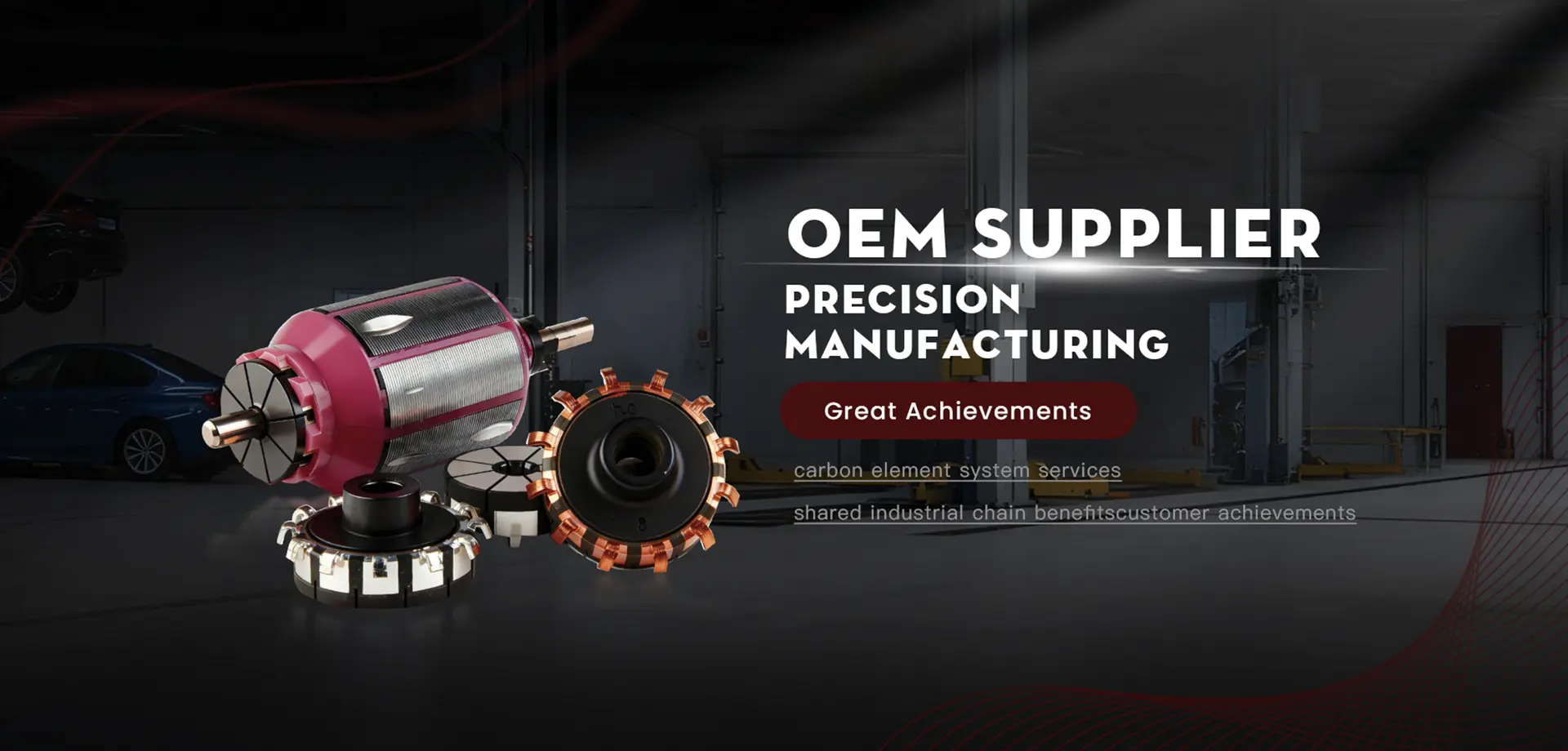
Multi-layer planar ceramic sensor elements with built-in micro heaters for rapid light-off within European emissions test windows.
Explore Model Range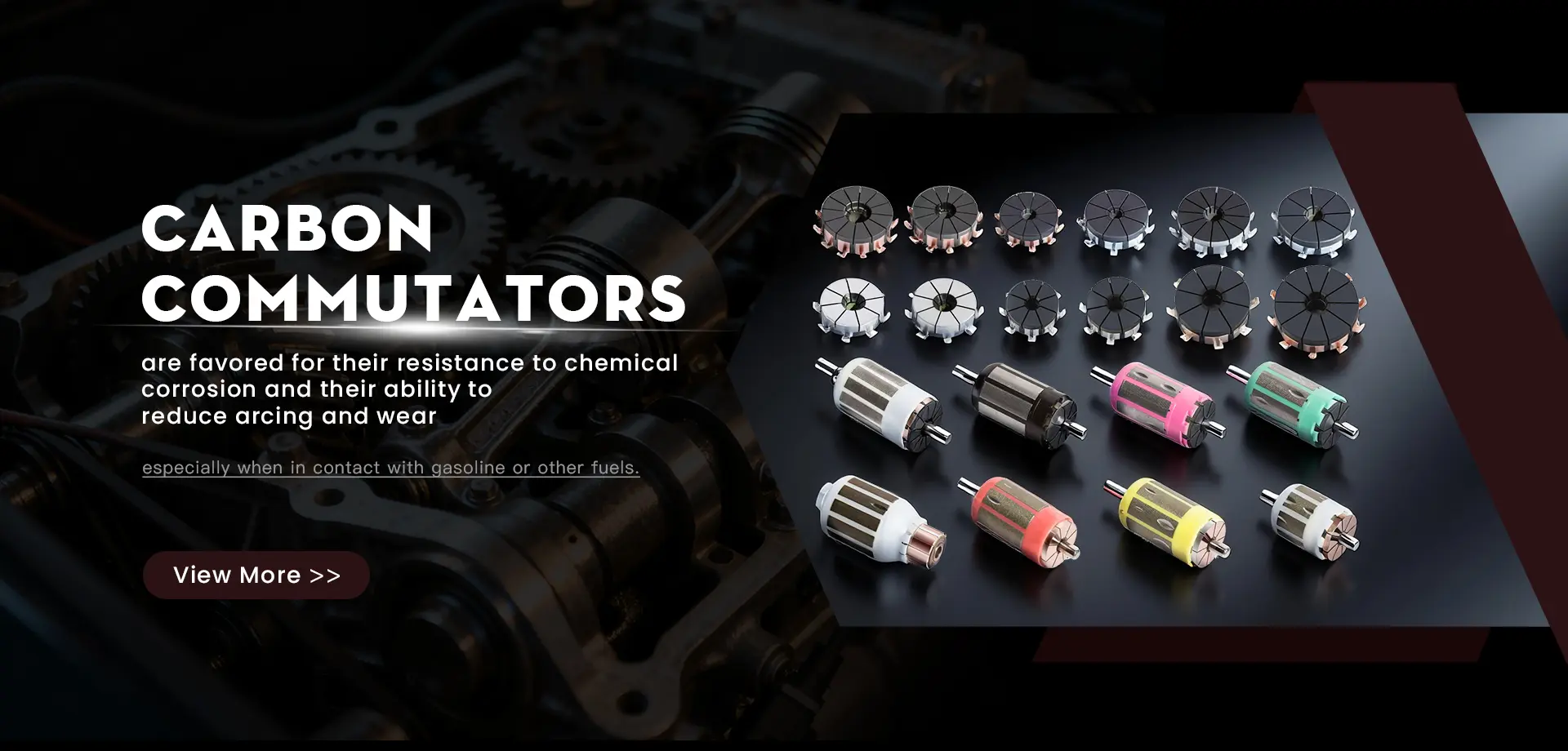
Complete fuel motor kits treated with anti-corrosion barrier layers for modern European and global flex-fuel powertrains.
Explore Model RangeDirect technical communication with engineering teams, full CAD matching, and fast sample turnarounds for German and European Tier-1/Aftermarket platforms.
Send Inquiry Now